Zimbabwe MPs pass bill to extend presidential terms, delay elections to 2030
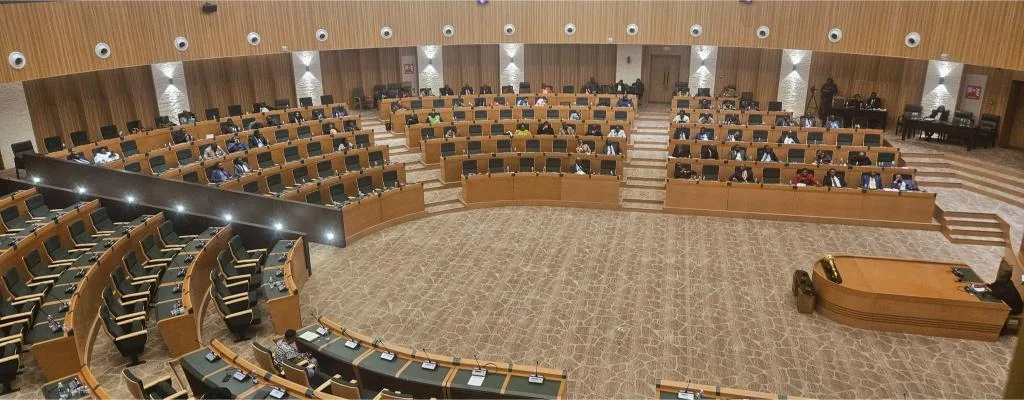
Under the proposed system, future presidents would be elected by parliament rather than by a nationwide popular vote.
Zimbabwe’s National Assembly has passed a constitutional amendment bill that would extend presidential and parliamentary terms from five to seven years, a move that could allow President Emmerson Mnangagwa to remain in office until 2030.
The legislation, approved on June 18, 2026 by more than the required two-thirds majority, marks a significant shift in the country’s political landscape and electoral system.
According to parliamentary figures, 216 lawmakers voted in favour of the bill, comfortably exceeding the 187 votes needed to amend the constitution. Forty-two legislators opposed the measure.
Announcing the results, Speaker of Parliament Jacob Mudenda confirmed that the proposed constitutional changes had secured the necessary support in the National Assembly.
The amendment introduces several major reforms, including the abolition of direct presidential elections, which have been held in Zimbabwe since 1990. Under the proposed system, future presidents would be elected by parliament rather than by a nationwide popular vote.
The bill also extends both presidential and parliamentary terms from five years to seven years. In addition, parliamentary elections that were scheduled to take place in 2028 would be postponed to 2030.
If enacted, the changes would allow Mnangagwa, whose second and constitutionally final term is due to expire in 2028, to remain in office until 2030.
Mnangagwa, 83, came to power in 2017 following the removal of long-time leader Robert Mugabe in a military-backed transition.
He subsequently won presidential elections in 2018 and 2023, both of which were contested by opposition parties and drew scrutiny from some international observers.
Supporters of the constitutional amendment argue that the changes will promote political stability and provide continuity in governance.
However, critics have expressed concerns that extending terms and eliminating direct presidential elections could weaken democratic accountability and reduce citizens’ influence over the selection of national leaders.
The bill will now proceed to the Senate, where it is also expected to receive the support needed for passage.
Once approved by the upper house, the legislation will be forwarded to President Mnangagwa for assent before becoming law.



Comments
Sign in with Google to comment, reply, and like comments.
Continue with Google