Nationwide matatu strike dropped after security talks
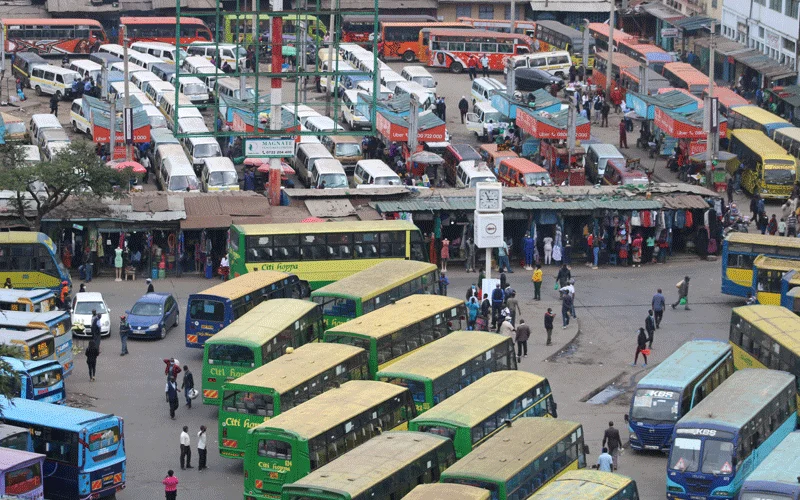
Leaders in the sector said the pause, which will run for two weeks, is meant to give room for continued negotiations and the rollout of measures aimed at protecting vehicles, crews, and passengers from further violence.
A nationwide transport disruption expected today (Monday) will no longer happen after matatu and other public service vehicle operators agreed to stand down their strike following fresh talks with government and security agencies.
The planned stoppage, which had raised fears of major travel chaos across key routes, was shelved after stakeholders met to address rising incidents where public service vehicles have been attacked by suspected rogue boda boda riders.
Leaders in the sector said the pause, which will run for two weeks, is meant to give room for continued negotiations and the rollout of measures aimed at protecting vehicles, crews, and passengers from further violence.
In recent days, parts of the matatu network had already reduced operations, leaving many commuters stranded and forcing others to dig deeper into their pockets to secure alternative transport.
Intercorridor Mobility Chairperson Joseph Kagai said operators chose to hold off the strike as a sign of goodwill while discussions continue.
“We have had deliberate engagement, and while some things are still unresolved, because of goodwill, we have agreed to suspend the Monday strike and move forward as we address the matters,” Kagai said.
“We have suspended this strike for two weeks to allow teams to sit at the table, negotiate and iron out all the issues.”
Peter Murima, representing the Motorist Association of Kenya, said authorities have shown commitment to deal with the attacks, warning that anyone found damaging vehicles will face legal action.
“This decision has been informed by the seriousness we have seen from the government that action will be taken. This is criminal, and anyone captured on camera touching a vehicle will be charged,” Murima said.
Matatu Owners Association chairman Albert Karakacha also confirmed that the industry has opted to allow space for dialogue as efforts to curb the violence continue.
“We have suspended the strike for 14 days as we wait for the government to see how we can work together to deal with these criminals,” Karakacha said.
Traffic Commandant Frederick Ochieng described the engagements between transport stakeholders and law enforcement as constructive, adding that agreed strategies now include cooperation with the boda boda sector to restore order.
“We have had very fruitful discussions with matatu stakeholders, and I have been able to share the strategy we agreed on with the boda boda sector, including self-regulation,” Ochieng said.
“We have also engaged the boda boda industry following an accident involving a matatu and a boda boda, and we will work to ensure there is a lasting solution in the transport sector.”
Regional Police Commander George Seda assured the public that the law will be followed in dealing with incidents linked to road disputes.
“Kenya is a functional state. If an accident has occurred, some steps must be followed. Let us stop taking the law into our own hands,” Seda said.
He added that investigators already have video footage showing individuals involved in attacks on vehicles.
“Once the process is completed, they will be charged,” he said, while noting that steps are also being taken to ensure the boda boda industry operates within legal limits.
Transport operators reported that within one month alone, at least nine vehicles — including matatus, buses, trucks, and private cars — were burned by angry mobs. The cases were recorded in areas such as Juja, Luanda in Vihiga County, and along the Thika Superhighway.
According to the operators, the destruction has led to losses worth millions of shillings, wiped out livelihoods, and placed both passengers and drivers in danger.
They also said slow investigations and lack of arrests have encouraged repeat incidents, with mob justice increasingly replacing lawful processes and eroding trust in enforcement agencies.
The Matatu Owners Association and other PSV players had initially announced the strike, arguing that authorities had not acted quickly enough despite the sector being among the country’s leading taxpayers.
Many vehicles remain uninsured and depend on state protection even as operators continue paying taxes and fuel levies that support public services and road maintenance.
Boda boda leaders, including Kevin Mubadi, national chairman of the Boda Boda Safety Association, called for continued engagement, warning that a shutdown would have disrupted the entire transport system.



Comments
Sign in with Google to comment, reply, and like comments.
Continue with Google