Ruto denies pressuring matatu operators to call off fuel strike
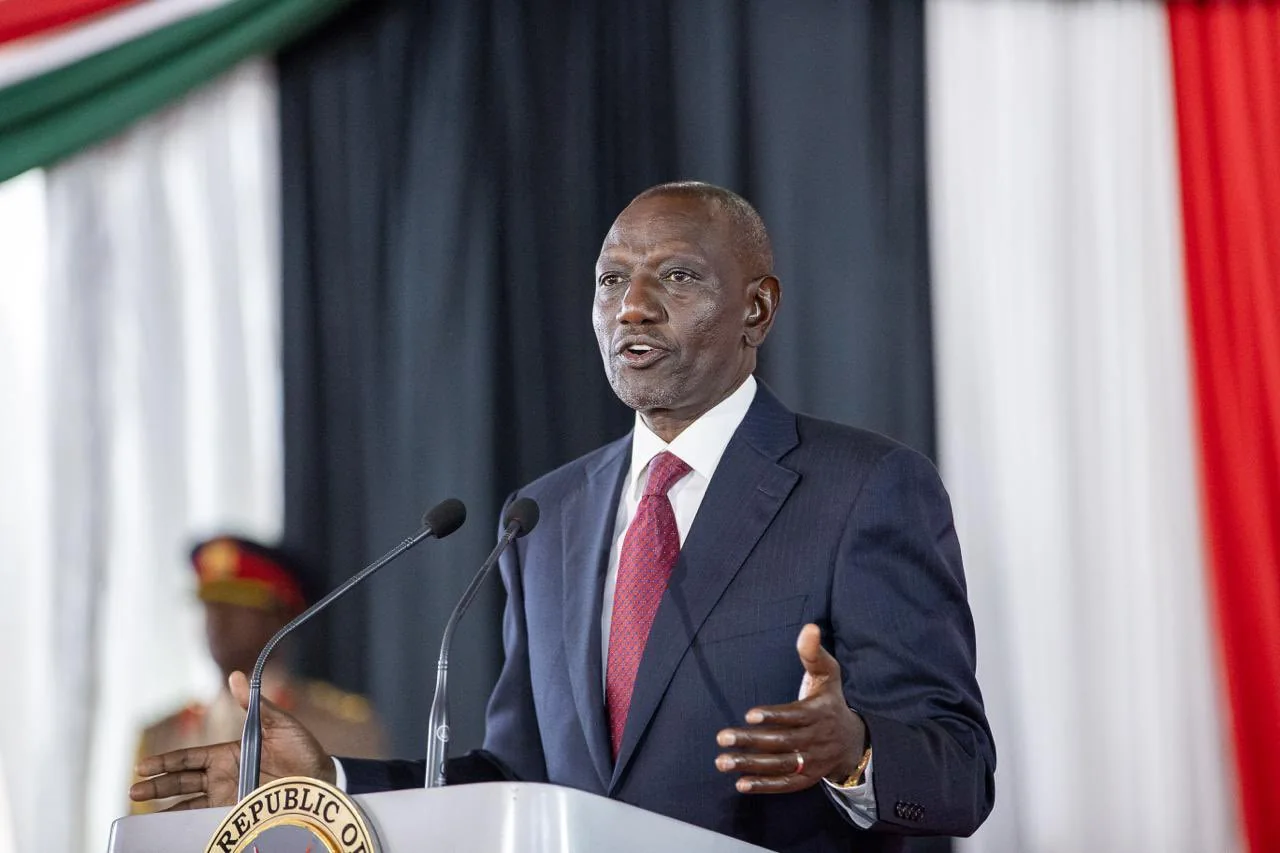
Speaking during the National Prayer Breakfast on Thursday, Ruto said he held a three-hour meeting with transport operators in Mombasa where he explained the government’s fuel subsidy programme and the lessons learnt from the 2022 fuel shortage crisis.
President William Ruto has dismissed claims that the government pressured matatu operators to abandon their planned nationwide strike over fuel prices, saying the decision was made freely after transport leaders reviewed detailed explanations on the state of the fuel sector and subsidy management.
Speaking during the National Prayer Breakfast on Thursday, Ruto said he engaged transport sector representatives in a three-hour meeting in Mombasa, where he walked them through the government’s fuel subsidy programme and the challenges experienced during past fuel shortages.
“I did not tell them to call off the strike. They looked at the facts,” the president said.
Ruto said the discussions focused on fuel pricing trends, the impact of subsidies on the economy, and government efforts to protect consumers from global oil price shocks.
“I explained to them where we were, what the issues are, and I took them back to 2022 when we had a similar crisis,” he said.
He revisited the 2022 fuel crisis, saying poor subsidy management had created severe pressure on public finances and fuel supply systems.
“In fact, for a whole year we had to pay close to Sh150 billion to Sh160 billion that had been used for subsidies without fuel,” he said.
On current measures, the president defended the ongoing fuel support programme, saying it was helping to keep diesel prices below market levels.
“The actual price of diesel should be Sh273. It is Sh232. We are subsidising more than Sh40 for every litre,” he said, adding that the government had spent Sh28 billion in the last two months to cushion consumers.
He insisted that transport leaders reached their decision independently after the discussions.
“The most interesting part is when we finished and stood up, they told me, ‘Mr President, we are going to call off the strike.’ I did not tell them to call off the strike,” Ruto said.
The strike threat emerged after the Energy and Petroleum Regulatory Authority (EPRA) announced sharp fuel price increases in its May 14 review, which pushed diesel prices in Nairobi to Sh242.92 per litre, triggering protests and threats of industrial action from public transport operators.
Following the backlash, matatu operators initially suspended the planned strike for seven days to allow talks with government officials after demonstrations disrupted transport in several towns.
On May 22, the operators officially called off the strike after further talks with the president at State House in Mombasa.
During that engagement, Ruto announced that diesel prices would be reduced by an additional Sh10 per litre in the June–July fuel price review, bringing the cost down to about Sh222.86 per litre in Nairobi.
Matatu Owners Association chairman Albert Karakacha confirmed the decision to abandon the strike and resume normal operations.
“We have called off the strike. We will not have a strike next week; we are going to work,” Karakacha said.
He also thanked the government for measures aimed at stabilising fuel prices and acknowledged the role played in mediation, including support from Nairobi Governor Johnson Sakaja during the negotiations.


Comments
Sign in with Google to comment, reply, and like comments.
Continue with Google