Supreme Court ends Arshad Sharif legal battle, dismisses family appeal
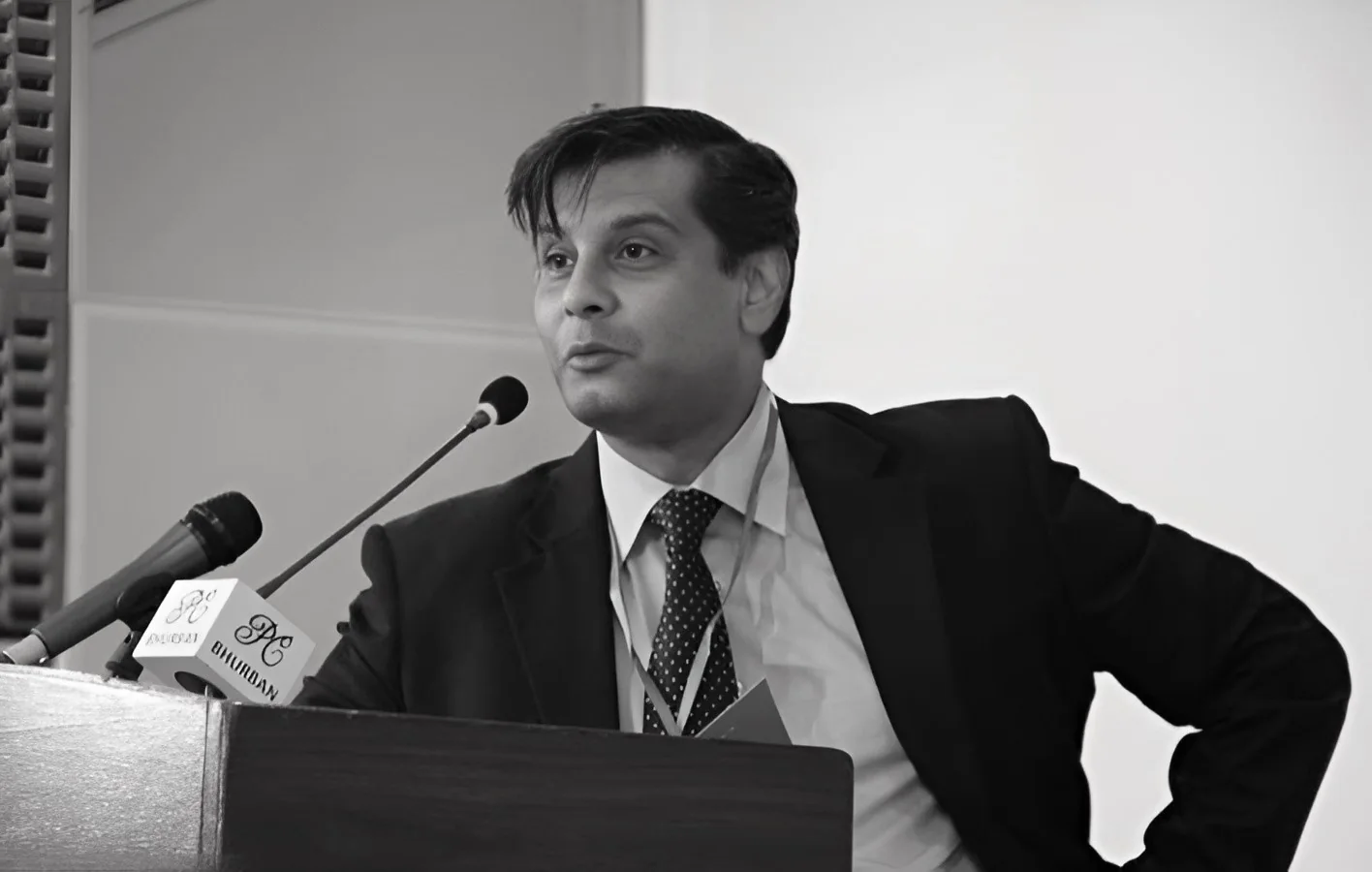
In a ruling delivered by a five-judge bench, the Supreme Court dismissed an appeal filed by Sharif’s widow, Javeria Siddique, the Kenya Union of Journalists and the Kenya Correspondents Association, effectively upholding the Court of Appeal’s findings on the issues under dispute.
Kenya’s highest court has brought the long-running legal fight over the killing of Pakistani journalist Arshad Sharif to an end, rejecting attempts by his family and media groups to secure fresh orders against state agencies over the 2022 police shooting.
In a ruling delivered by a five-judge bench, the Supreme Court dismissed an appeal filed by Sharif’s widow, Javeria Siddique, the Kenya Union of Journalists and the Kenya Correspondents Association, effectively upholding the Court of Appeal’s findings on the issues under dispute.
The case arose from the fatal shooting of Sharif on October 23, 2022, in Kajiado County. Police officers allegedly opened fire on the vehicle he was travelling in after mistaking it for one suspected to have been involved in a carjacking incident.
Although the Supreme Court maintained that Sharif’s constitutional right to life was violated by the shooting, it found no reason to overturn the decisions reached by the Court of Appeal on the other matters raised by the appellants.
Among the key issues before the court was whether it could order the Director of Public Prosecutions to charge the officers involved in the incident.
The judges ruled that the Constitution grants the DPP independence in making decisions on criminal prosecutions and shields the office from external direction.
“The answer to the issue before us is therefore that this court cannot compel or direct the third respondent (DPP) to institute criminal proceedings against the police officers responsible for the fatal shooting of the deceased,” the bench ruled.
The court stated that judicial intervention is only permissible where there is evidence that prosecutorial powers have been exercised unlawfully or in a manner that violates constitutional principles.
The judges also rejected a request to increase the Sh10 million awarded by the High Court to Sharif’s widow as compensation for the violation of his rights.
According to the court, those seeking the enhancement had failed to demonstrate that the trial court made an error when determining the amount payable.
“We note that the appellants have not placed before us any set of facts indicating that the trial court was not guided by the foregoing principles in arriving at the impugned award. In the circumstances, we are not persuaded that there is ground to force our interference by way of enhancement,” they held.
On the conduct of the Independent Policing Oversight Authority, the Supreme Court agreed with earlier findings that the agency had carried out its investigative role by examining the circumstances of the shooting and forwarding its findings to the Office of the Director of Public Prosecutions.
However, the court upheld the position that IPOA was required to keep the family informed on the progress of the matter, noting that the Court of Appeal had already directed the authority to provide an update.
The judges further declined to grant a request seeking a public apology from the Attorney General, agreeing with the appellate court that such an order was not warranted at this stage.
After reviewing all the issues raised in the appeal, the Supreme Court concluded that there was no basis for disturbing the Court of Appeal judgment.
“Our determination of the issues leaves no doubt that the appeal before us, is one for dismissal,” the five-judge bench ruled.
The decision closes a case that has attracted attention both locally and internationally since Sharif’s death, while leaving intact the finding that the journalist’s right to life was violated through the fatal police shooting.
Sharif had left Pakistan after raising concerns that he was facing harassment from authorities in his home country.




Comments
Sign in with Google to comment, reply, and like comments.
Continue with Google