Judiciary set for major facelift as cabinet approves Sh26 billion expansion plan
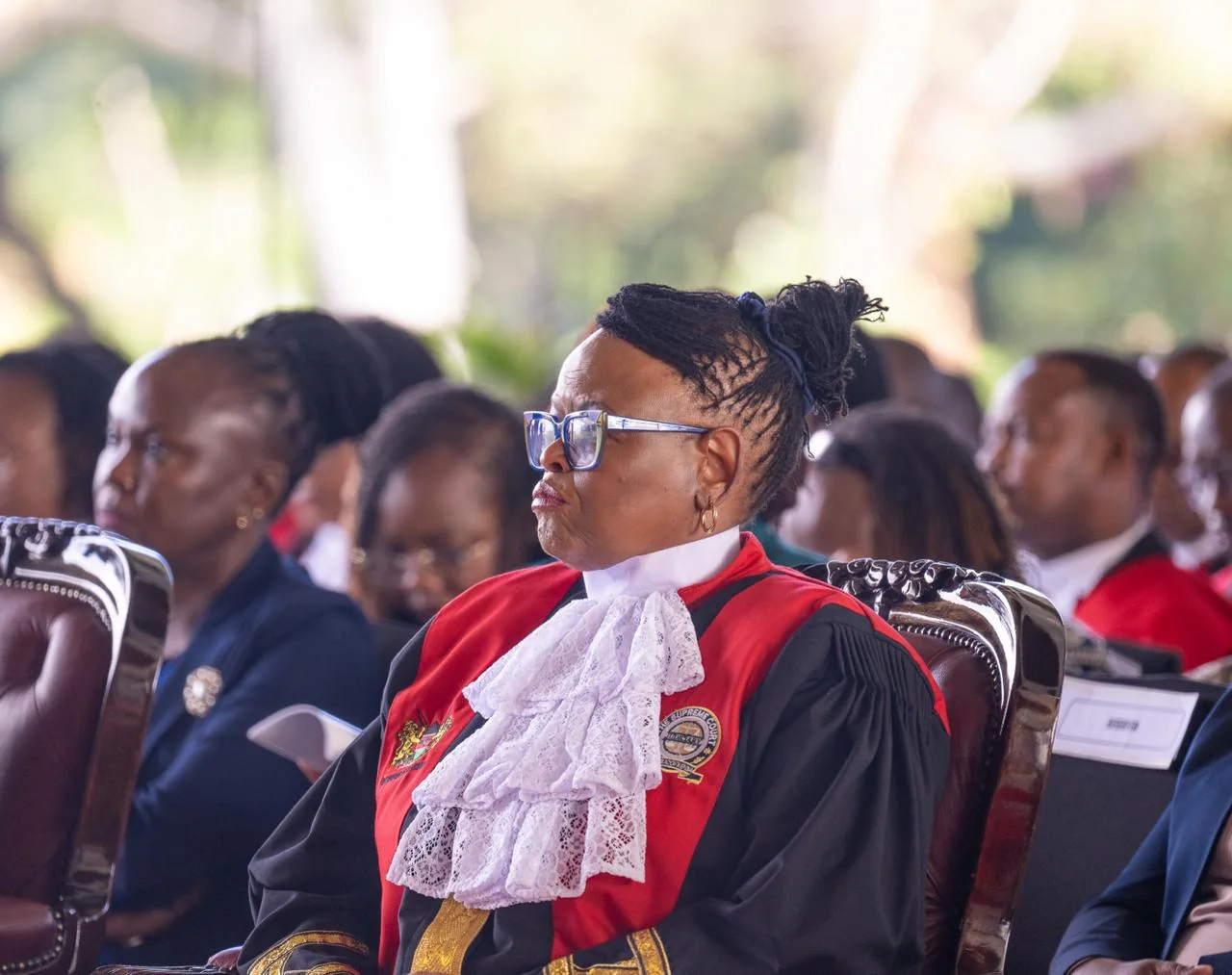
In a statement issued on Wednesday, the Judiciary welcomed the approval, saying the expansion had become necessary due to increasing pressure on its current facilities.
Kenya's Judiciary is preparing for one of the largest infrastructure upgrades in its history after the Cabinet approved a Sh26 billion development programme that will deliver new court buildings, administrative offices and training facilities in a move aimed at easing overcrowding and supporting the growing demands of the justice system.
The funding, to be provided under the second phase of the Judicial Performance Improvement Project (JPIP II) in partnership with the World Bank, will support the construction of a new Supreme Court complex, a standalone Court of Appeal building, a consolidated Tribunals and Judiciary Administration complex, and a modern campus for the Kenya Judiciary Academy.
The approval was welcomed by the Judiciary, which said the project would help address long-standing challenges arising from limited space and expanding responsibilities within the institution.
In a statement issued on Wednesday, the Judiciary said the planned developments were intended to create room for key institutions that have outgrown their current facilities.
"The second phase of funding is intended to support construction of new facilities for the Supreme Court, the Court of Appeal, and the Judiciary's Administration Headquarters," the statement read.
The Judiciary explained that the current Supreme Court Building accommodates the Supreme Court, the Court of Appeal and the Judiciary Administration Headquarters despite having been built nearly a century ago for a much smaller institution.
"This is necessitated by acute space constraints at the Supreme Court Building, which was erected in 1930 for a much smaller Judiciary," it said.
While new facilities are planned, the Judiciary clarified that the existing Supreme Court Building will remain in use because of its historical importance.
"As a protected national monument, the existing Supreme Court Building will undergo renovation rather than replacement, and will complement the new facility to be erected with World Bank funding."
The programme will also cater for tribunals operating under the Judiciary. According to the statement, the number of tribunals under its mandate has grown since the promulgation of the Constitution in 2010, yet infrastructure development has not matched that expansion.
The Judiciary noted that 28 tribunals currently fall under its responsibility and are expected to benefit from the new investment.
The project further seeks to establish a permanent home for the Kenya Judiciary Academy, which has operated from rented premises since its formation.
Although Cabinet approval marks an important milestone, the Judiciary said additional steps must be completed before the project can proceed.
The National Treasury is expected to begin formal discussions with the World Bank on financing arrangements. The proposal will also require approval by the World Bank, allocation of funds by the National Assembly and adherence to procurement procedures.
JPIP II builds on gains made under the first phase of the Judicial Performance Improvement Project, which ran from 2013 to 2021 with financial support from the World Bank.
The earlier programme financed the construction of courts in various regions and supported reforms aimed at improving service delivery through investments in court infrastructure, technology and case management systems.
World Bank records show that the first phase had an initial financing package of about US$120 million, equivalent to roughly Sh15 billion at current exchange rates. By 2021, more than US$108 million had been released to support court construction projects, judicial reforms and improvements in the administration of justice.



Comments
Sign in with Google to comment, reply, and like comments.
Continue with Google