NTSA explains why instant traffic fines cannot be paid online
Under the system, a motorist who commits an offence such as speeding or running a red light receives an SMS detailing the violation, where it occurred, the amount payable and the period within which the fine should be settled. Those who fail to pay within seven days risk facing penalties and restrictions.
Motorists caught by speed cameras or red-light cameras may receive their fines instantly, but settling them is proving to be anything but immediate, with NTSA insisting that offenders must first pass through a bank verification process before making payment.
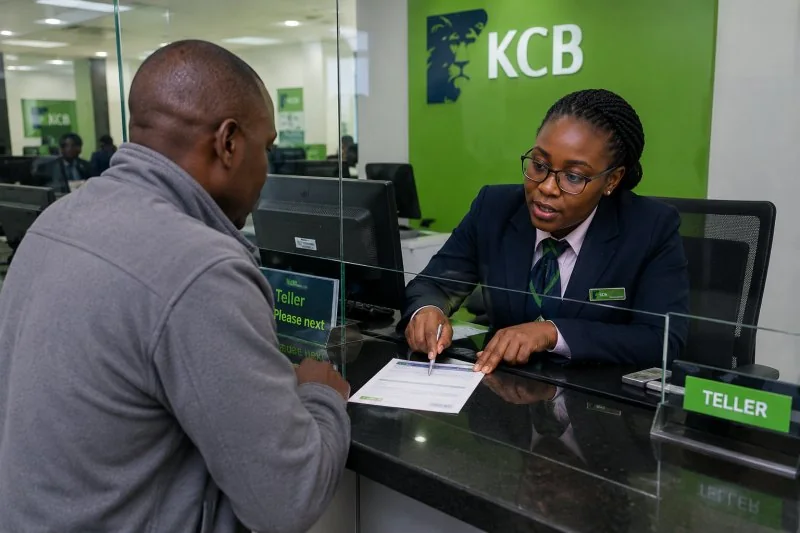
The National Transport and Safety Authority says the requirement to pay instant traffic fines through KCB branches or agents was deliberately built into the system to shield motorists from fraudsters who may exploit the programme through fake SMS notifications.
The instant fine framework was introduced to deal with minor traffic offences without requiring offenders to appear in court. It forms part of the government's efforts to improve road safety, reduce opportunities for corruption and simplify enforcement of traffic laws.
Under the system, a motorist who commits an offence such as speeding or running a red light receives an SMS detailing the violation, where it occurred, the amount payable and the period within which the fine should be settled. Those who fail to pay within seven days risk facing penalties and restrictions.
However, the payment instructions accompanying the notifications have raised eyebrows among some road users.
"Important notice on payment: To complete this payment, you must visit your nearest KCB branch or KCB agent," the message states.
Many motorists expected the fines to be payable directly through digital channels, especially because the system was presented as a fast and technology-driven solution for handling minor traffic violations.
Addressing the concerns, NTSA Director General Nashon Kondiwa said the authority opted for a physical verification step after noting the risk posed by fraudsters who send fake messages demanding payments.
"We are adding physical interaction because even before we launched this, we had a lot of people who were sending SMSs that they are doing fines. So, out of abundance of caution, and just to protect Kenyans, we added the other layer of physical interaction," he said.
The issue came under public scrutiny after lawyer Donald Kipkorir disclosed on X that his younger brother had been fined for speeding.
According to Kipkorir, his brother visited a KCB branch in Nairobi where the offence was confirmed before payment was made and an official receipt issued.
Even so, Kipkorir questioned why the payment notification appeared to direct money into a private account.
"Unless NTSA publicly responds to this, then we will assume that they are part of a scheme to defraud Kenyans. Why should public funds be deposited in a private account?" he asked.
Speaking on Citizen TV, Kondiwa maintained that the bank process provides an additional level of confirmation for motorists before they part with their money.
"We are just creating another layer of check because if you go there, you will find a reference reflected in the bank system so that you are not paying money to an account without another check," he said.
The NTSA boss said the authority anticipated possible weaknesses in the system before rolling it out and designed safeguards to reduce opportunities for fraud.
"For us to choose this route, it means that while introducing this product to the market, we were aware of all the loopholes. When introducing a new product to the market, you design what we call the customer journey and, to protect the customer, you look at the possible fraud elements," he said.
Kondiwa was also asked why the same approach is not applied when Kenyans pay for other government services such as passports and driving licences.
He said the difference lies in how those services are initiated, noting that users enter government systems directly and submit identification documents before making payments.
"In this other one, the initial communication that triggers you to pay is an SMS, totally outside the platform and that's what fraudsters are trying to do. The fraudsters are trying to hijack that process by sending you a fake SMS so that you click and pay. If ours was also click and pay, then we would be playing into the hands of these fraudsters," he said.
Kondiwa further explained that while motorists can use the link provided in the SMS to view details of the offence, the payment itself is not completed online.
"You click, you see the details then we have a third eye, which is the physical agent or the teller with the details of the ticket itself with them."
According to NTSA, the teller or agent acts as an independent checkpoint capable of confirming the authenticity of the ticket before payment is accepted.
The explanation comes as debate continues over whether requiring motorists to visit a bank undermines the convenience expected from a system marketed as an instant solution for handling minor traffic offences.




Comments
Sign in with Google to comment, reply, and like comments.
Continue with Google