Mandera South MP Haro calls for inclusion of North Eastern voices in national conversation
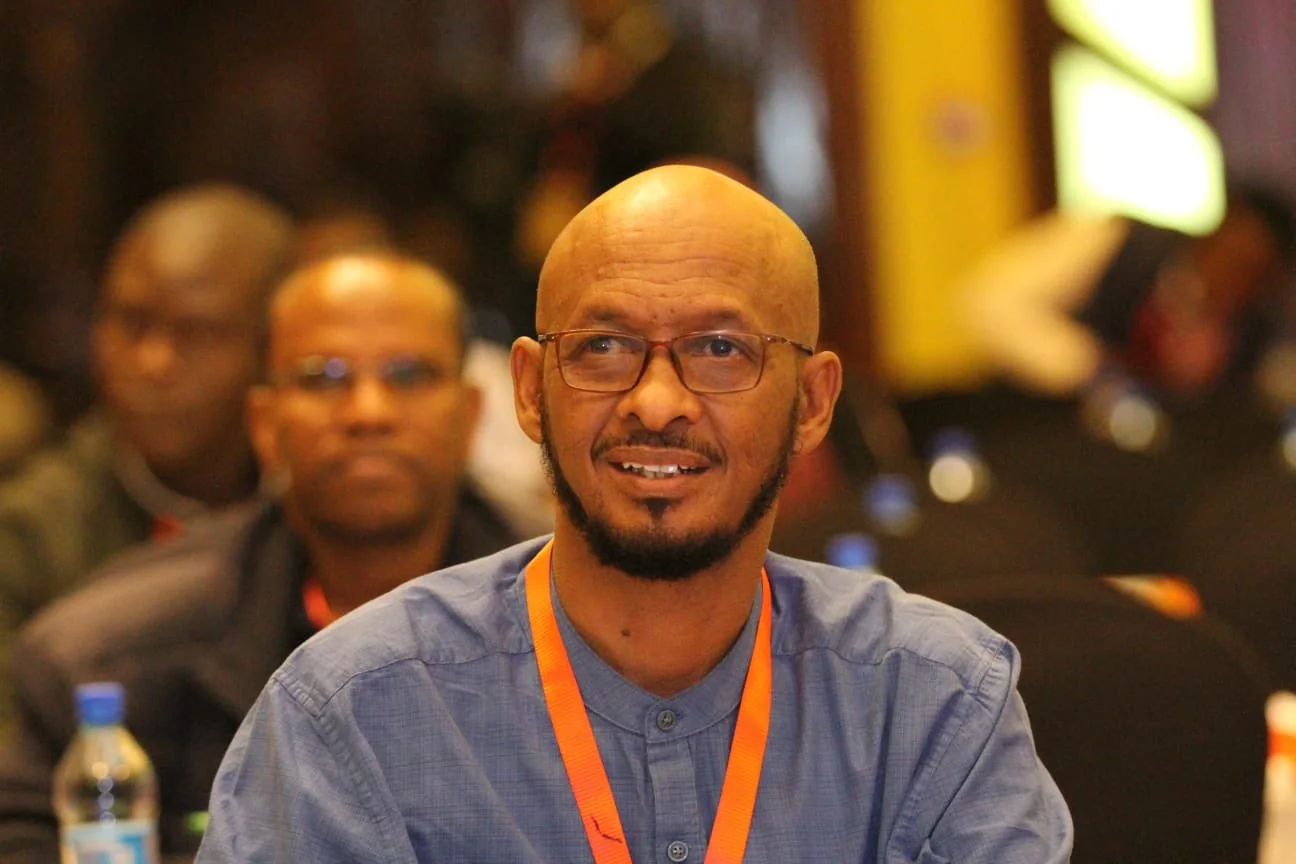
Speaking during an interview on Radio Generation on Monday, Haro said discussions on issues affecting North Eastern, particularly security and development, are often dominated by commentators from outside the region, leaving local perspectives underrepresented
Mandera South MP Abdul Haro (Kore) has for urged greater inclusion of North Eastern voices in national discourse, saying the region has long been defined by people who lack firsthand knowledge of its history, realities, and development journey.
Speaking during an interview on Radio Generation on Monday, Haro said discussions on issues affecting North Eastern, particularly security and development, are often dominated by commentators from outside the region, leaving local perspectives underrepresented.
He also argued that devolution has shifted greater responsibility to local leaders while commending President William Ruto's efforts to promote inclusion and engagement with the historically marginalised region.
"Unfortunately, I think the story from North Eastern is normally told by people from other parts. When the media invite people to speak about North Eastern, even if there is insecurity, they call security experts who have never even been there or lived there. People have no idea what the context looks like. Fortunately, things are changing now," he said.
The legislature also addressed the debate over marginalisation, saying while North-Eastern had historically suffered exclusion, devolution had changed governance and placed greater responsibility on local leaders.
"More than 60 years after independence, we cannot keep talking about marginalisation and pointing fingers at the centre when we know we have resources that have been devolved. When we enacted the 2010 Constitution, the people from North-Eastern celebrated because it recognised marginalised regions and established the Equalisation Fund. Fifteen years after devolution, we cannot keep pointing fingers at the centre. Just like corruption, it is moving from the centre to the periphery," the lawmaker added.
Kore's remarks come against the backdrop of North Eastern Kenya's long history of marginalisation, which began during the colonial period and deepened after independence in 1963.
The region was heavily affected by the Shifta War between 1963 and 1967, after which successive governments imposed security measures that restricted movement, investment, and infrastructure development.
The disparities were further entrenched by Sessional Paper No. 10 of 1965, which directed public investment towards areas considered to have the highest economic potential, leaving many arid and semi-arid regions behind.
The adoption of the 2010 Constitution sought to reverse these inequalities through devolution and the establishment of the Equalisation Fund under Article 204.
Since devolution took effect in 2013, the five counties commonly associated with North Eastern—Garissa, Wajir, Mandera, Isiolo, and Marsabit—have collectively received about Sh505.2 billion through equitable share allocations, NG-CDF, conditional grants, own-source revenue, and the Equalisation Fund, although development disparities remain a subject of national debate.
Moving on, the MP also maintained that corruption was a national challenge that should be confronted without singling out any particular region.
Turning to development, Haro commended President William Ruto's engagement with North Eastern, saying the administration had taken deliberate steps to make the region feel more included in national affairs.
He argued that previous governments had left many residents feeling excluded and viewed with suspicion, but said President Ruto had sought to change that perception through increased engagement with the region.
The legislator maintained that the President's apology during this year's Madaraka Day celebrations for the historical marginalisation of North Eastern carried significant symbolic and psychological value for residents, even where immediate material benefits had yet to be realised.
Looking ahead to the 2027 General Election, he expects North Eastern to rally behind President Ruto, arguing that the region appreciates what he described as the President's goodwill and efforts to integrate it more fully into the country's political and development agenda.




Comments
Sign in with Google to comment, reply, and like comments.
Continue with Google