WHO–World Bank warn 2.1 billion people face health cost hardship
The UHC Global Monitoring Report 2025 shows that despite steady improvements since 2000, momentum is fading, especially for the world’s poorest communities, who continue to face the highest costs and the greatest barriers.
A new report by the World Health Organization (WHO) and the World Bank is raising alarm over slowing global progress toward universal health coverage, revealing that 4.6 billion people still cannot access basic healthcare, while 2.1 billion are being pushed into financial hardship when seeking treatment.
The UHC Global Monitoring Report 2025 shows that despite steady improvements since 2000, momentum is fading, especially for the world’s poorest communities, who continue to face the highest costs and the greatest barriers.
According to the findings, health service coverage, measured using the Service Coverage Index (SCI), improved from 54 to 71 points between 2000 and 2023.
At the same time, the share of people experiencing financial hardship from large or impoverishing out-of-pocket (OOP) medical bills dropped from 34% to 26% between 2000 and 2022.
But the report warns that these gains mask widening inequalities. About 1.6 billion people have been pushed further into poverty because of healthcare costs, a burden that falls most heavily on already struggling households.
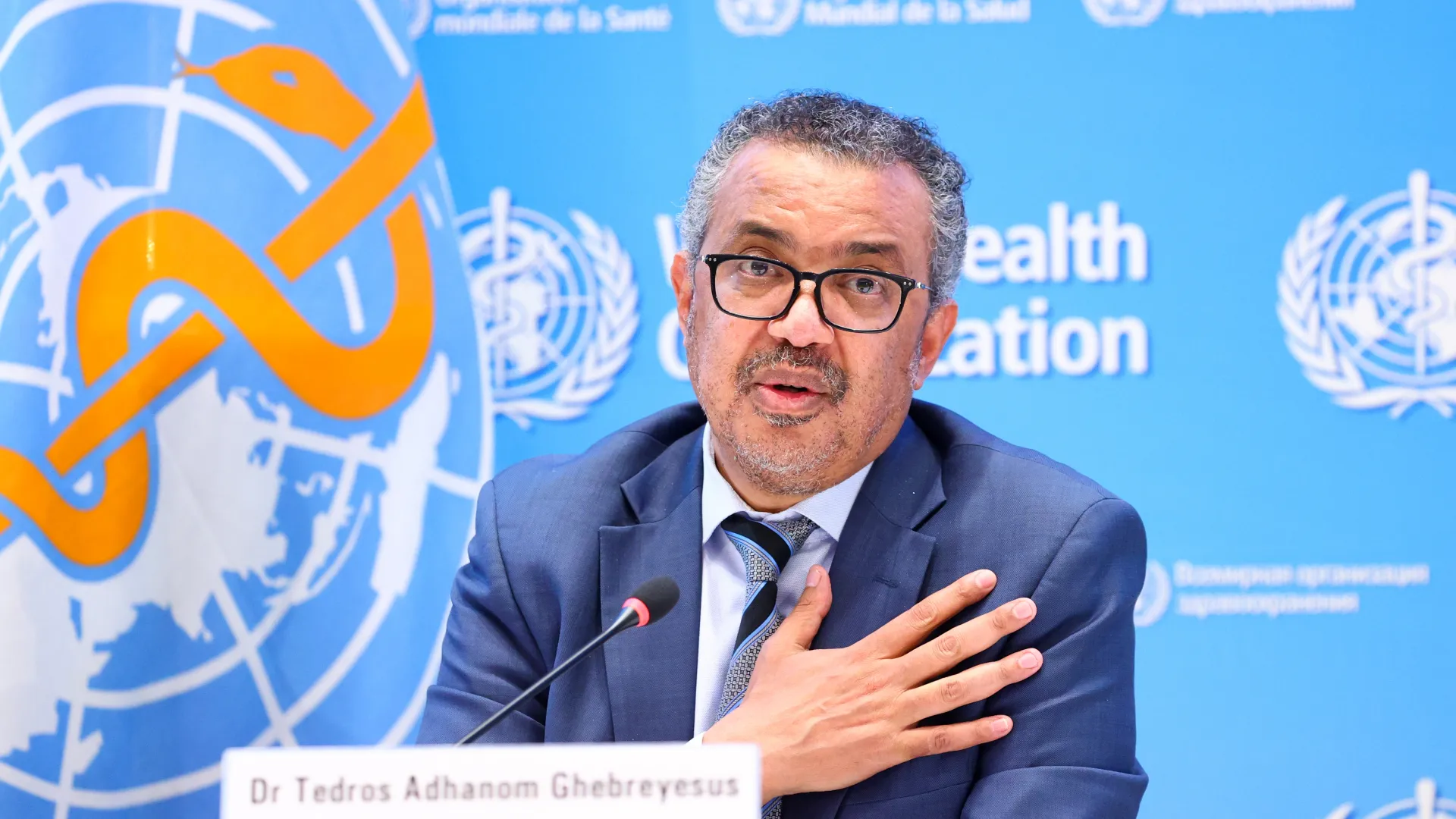
“Universal health coverage is the ultimate expression of the right to health, but this report shows that for billions of people who cannot access or afford the health services they need, that right remains out of reach,” said WHO Director-General Dr. Tedros Adhanom Ghebreyesus.
He noted that reduced global aid is making the situation more urgent: “In the context of severe cuts to international aid, now is the time for countries to invest in their health systems, to protect the health of their people and economies. WHO is supporting them to do that.”
The report defines financial hardship as households spending more than 40% of their disposable income on health care. Medicines remain the biggest pressure point, driving at least 55% of OOP spending in three-quarters of countries with data. For poor households, the burden is even heavier—on average, they spend 60% of their OOP costs on medicines alone, often forcing them to divert money from basic needs like food and housing.
Although low-income countries have made the fastest advances in both service coverage and reducing hardship, they still face the largest gaps. Without a significant acceleration, the world will fall short of its 2030 goal: the SCI is projected to reach just 74 out of 100, meaning nearly one in four people will still struggle financially to access care.
With only five years left to meet the Sustainable Development Goals, the report calls for stronger political commitment and urgent investment. It urges countries to expand public funding for health systems, cut high OOP costs—especially for medicines—strengthen primary healthcare, scale up essential NCD services, and ensure free care for people living in poverty and vulnerable situations.



Comments
Sign in with Google to comment, reply, and like comments.
Continue with Google