PS Oluga: Kenya ready to handle Ebola threat despite regional outbreak
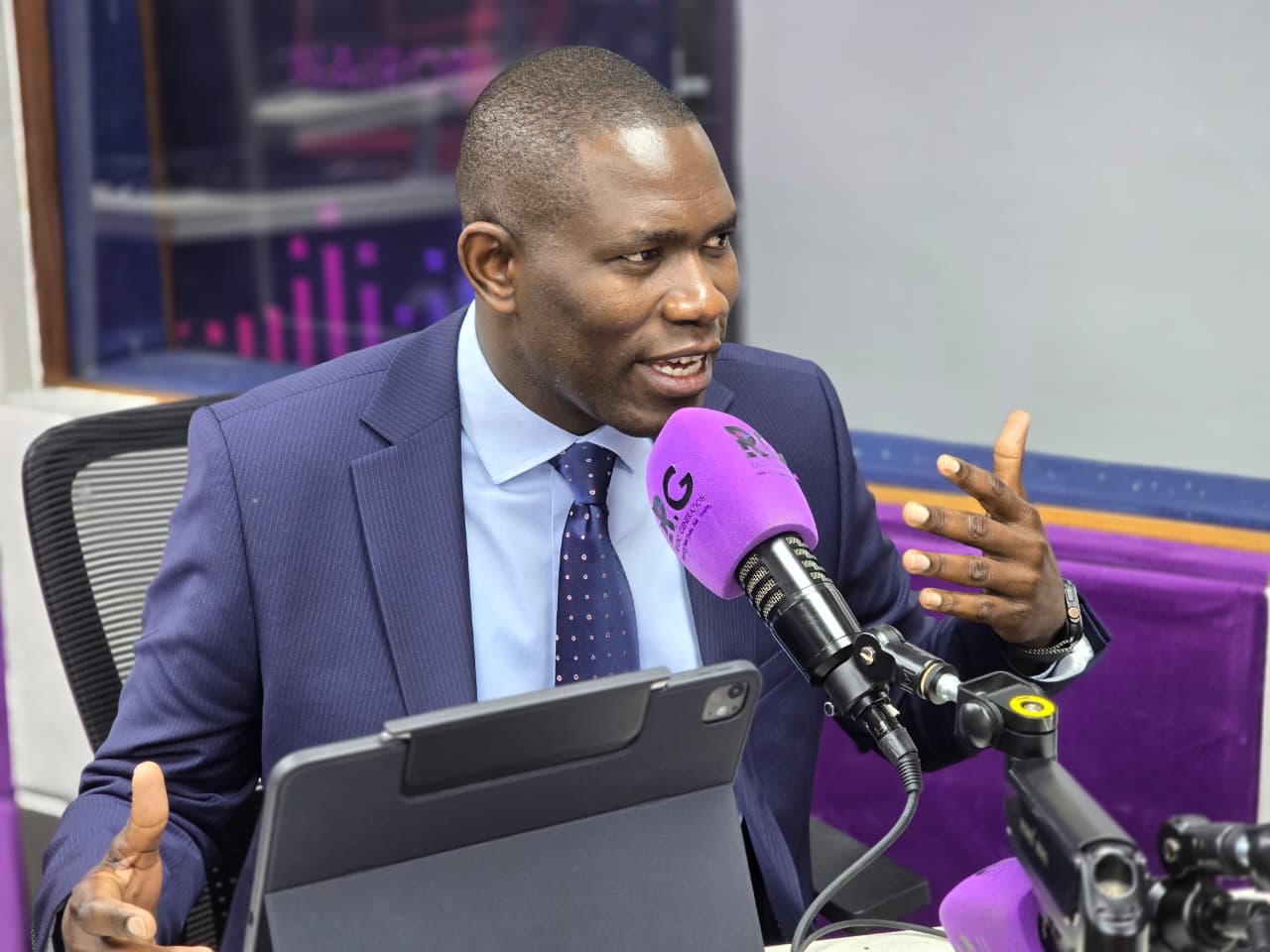
He says over 55,000 people have been screened and 2,200 health workers trained, while reaffirming Health CS Aden Duale’s confirmation that the country remains Ebola-free.
Kenya has not recorded any Ebola case despite the ongoing outbreak in neighbouring Democratic Republic of Congo (DRC), with the government saying surveillance, testing and emergency response systems have been strengthened across the country as regional concern grows over rising infections.
Speaking on Thursday, Medical Services Principal Secretary Dr Ouma Oluga said Kenya remains fully prepared to respond to any possible Ebola case, revealing that more than 55,000 people have already been screened while over 2,200 healthcare workers have undergone specialised training on infectious disease management.
Dr Oluga said Kenya’s health system has built strong outbreak response structures over the years, especially after lessons learnt during the COVID-19 pandemic.
“We have the highest isolation capacity in the entire country, most of which have also been built over COVID” and that more than 2,200 healthcare workers have been trained to manage infectious diseases,” he stated.
The PS said Kenya is currently operating within an international surveillance framework due to the Ebola outbreak in the DRC, where authorities continue to report new infections in several hotspots.
“We are dealing with an international public health outbreak for Ebola, that is in DRC, and as you note, we as Kenyans have a very strong healthcare response system,” Dr Oluga said.
He explained that Kenya’s preparedness goes beyond local response systems, noting that neighbouring countries are increasingly relying on Kenyan laboratories and health expertise to confirm Ebola infections.
“Right now, I can tell you without a doubt that countries in our neighboring region are actually relying on KEMRI as a reference laboratory to send their samples to confirm these cases of Ebola,” he said.
According to Dr Oluga, Kenya’s disease surveillance systems have continued to expand, supported by emergency coordination centres, isolation facilities and supply distribution structures established during the COVID-19 period.
He said the Kenya Medical Supplies Authority (KEMSA) remains central in distributing emergency medical supplies while the country’s preparedness systems are now being recognised internationally.
The PS disclosed that the World Health Organization is establishing a logistics hub in Kenya, while the Africa Centres for Disease Control and Prevention (Africa CDC) has identified the country as a key centre for coordinating health emergency operations across the continent.
Dr Oluga noted that Kenya’s role in regional and global health security cannot be separated from its long history in disease research and emergency response.
“We cannot abdicate our obligation and our duty in global health security,” he said, pointing to Kenya’s involvement in malaria research, testing of polio samples for more than 100 countries, and treatment of international patients during the COVID-19 pandemic.
His remarks come amid fresh concerns over the Ebola outbreak in the DRC, where recent WHO-linked reports indicate about 900 suspected cases and more than 200 suspected deaths.
Uganda has also reported around seven confirmed cases and one death linked to cross-border transmission.
The World Health Organization says the outbreak involves the rare Bundibugyo strain and has classified it as a public health emergency of international concern, warning that insecurity and weak healthcare systems in affected regions are worsening the spread of infections.
Health Cabinet Secretary Aden Duale separately confirmed that Kenya remains Ebola-free, assuring the public that surveillance and response systems remain active across the country.
Dr Oluga warned that Ebola symptoms can initially resemble other illnesses, making early detection and proper diagnosis critical in preventing further spread.
He added that Kenya’s preparedness has also been strengthened through previous deployment of Kenyan medical experts to Ebola-hit countries including Sierra Leone and the DRC.
The PS said health workers who participated in earlier Ebola responses remain part of the country’s current emergency preparedness teams and can be deployed to isolation centres and emergency operations units if needed.
PS Oluga concluded by saying disease outbreaks require regional cooperation because infections move across borders quickly.
He said Kenya will continue strengthening surveillance and preparedness measures while maintaining zero confirmed Ebola cases, adding that the country’s health workers remain “ready to respond to any case of Ebola” as regional monitoring intensifies.



Comments
Sign in with Google to comment, reply, and like comments.
Continue with Google