June 25: How young Kenyans forced a national reckoning
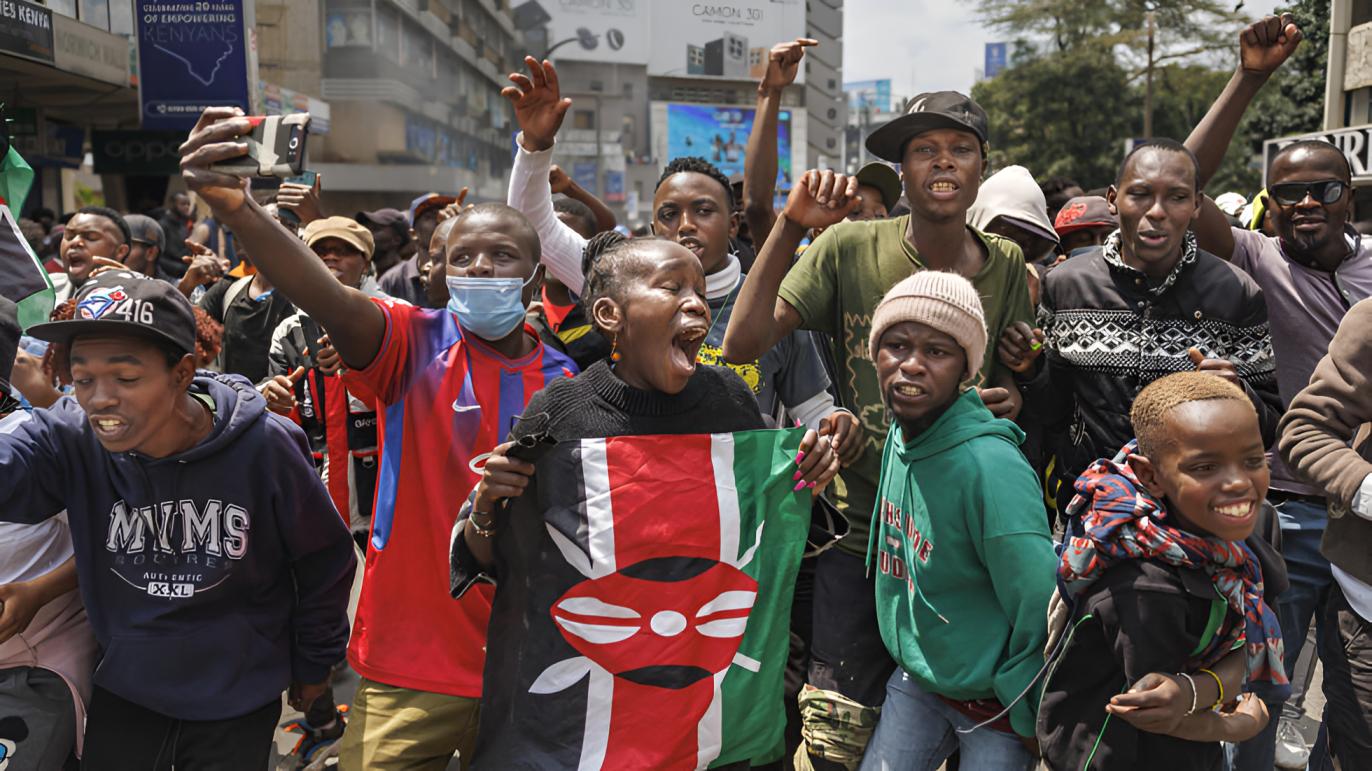
On the morning of June 25, thousands of people entered Nairobi's city centre through major routes including Muthurwa, University Way, Globe Roundabout and Harambee Avenue. Despite heavy police deployment, crowds continued to grow as demonstrators converged on the CBD demanding the rejection of the Finance Bill.
Before June 25, 2024, few expected a movement driven largely by young people on social media to force one of the biggest political reversals in Kenya’s recent history. But by the end of that day, Parliament had been breached, dozens of lives had been lost, and a generation had established itself as a powerful force in shaping national debate.
As Kenyans prepare to mark the second anniversary of the anti-Finance Bill protests, security agencies have maintained a tough position against planned commemorative demonstrations in Nairobi.
Police spokesperson Muchiri Nyaga said officers were ready to deal with any unlawful gatherings, insisting that the police “know what they are supposed to do”.
His remarks followed a declaration by Nairobi Regional Police Commander Issa Mohamud that demonstrations linked to the Gen Z anniversary in the capital were illegal because police had not received notification of the planned events.
The position has attracted attention because, days earlier, opposition leaders led by People’s Liberation Party leader Martha Karua and DAP-Kenya leader Eugene Wamalwa had presented notifications and petitions to Inspector-General of Police Douglas Kanja. The leaders, accompanied by Siaya Governor James Orengo and others, acted on behalf of families seeking justice for victims of police brutality ahead of the June 25 commemorations.
The developments have revived memories of the events that unfolded two years ago and changed the country's political landscape.
In the weeks leading to June 25, small groups of protesters staged peaceful marches in Nairobi while opposition to the Finance Bill, 2024 steadily grew online. Social media platforms became the centre of mobilisation as posters calling for a major protest spread rapidly among young Kenyans.
What initially appeared to be an online campaign soon developed into a nationwide movement.
On the morning of June 25, thousands of people entered Nairobi's city centre through major routes including Muthurwa, University Way, Globe Roundabout and Harambee Avenue. Despite heavy police deployment, crowds continued to grow as demonstrators converged on the CBD demanding the rejection of the Finance Bill.
The demonstrations stood out from previous protests. They were largely organised by young people, lacked prominent political sponsors and drew support from citizens united by concerns over taxation, governance and economic challenges.
Many participants carried Kenyan flags while others held copies of the Constitution as they marched through the streets.
The turning point came shortly after messages circulated online urging demonstrators to head to Parliament and pressure lawmakers to reject the Bill.
By mid-afternoon, protesters had made their way into Parliament grounds after overpowering security barriers.
The dramatic scenes captured international attention and marked one of the most extraordinary moments in Kenya's democratic history.
Police responded with lethal force as confrontations intensified.
The Kenya Medical Association reported 13 deaths in Nairobi. Human rights groups later estimated that more than 60 people were killed during the wider anti-government protests that followed, while hundreds suffered injuries.
Families spent anxious hours moving between hospitals and mortuaries searching for relatives who had disappeared during the chaos.
At the same time, social media evolved into a crucial coordination tool. Volunteers used online platforms to identify victims, locate missing people, trace the injured and document alleged abuses by security officers.
The events unfolded exactly one week after Rex Masai, the first victim of the anti-Finance Bill demonstrations, was shot dead.
Hours after Parliament was breached, President William Ruto condemned the demonstrations, describing them as “treasonous” and saying they had been infiltrated by dangerous and criminal elements. He promised a firm response from the government.
Yet public pressure continued to build.
Two days later, Ruto announced that he would not assent to the Finance Bill, handing protesters a major victory and demonstrating the influence the movement had gained within a short period.
The protests also transformed how many Kenyans engaged with public affairs.
Young people who had often been viewed as politically disengaged began analysing legislation, discussing public debt, examining government expenditure and educating one another about constitutional rights through digital platforms.
Millions followed debates on public policy and governance with an intensity that surprised many observers.
According to Freedom Kenya Movement president Bob Njagi, the protests convinced many young people that they had the power to influence national decisions.
“I think we are in a much better place now than we were in 2024 when we felt hopeless and believed there was nothing we could do. But when we came together, it was an awakening. We realised that we could actually do something,” he said.
However, the period that followed the demonstrations exposed fresh concerns.
Human rights groups documented cases of alleged enforced disappearances, abductions and arbitrary arrests involving activists, protesters and government critics.
Njagi, who was abducted alongside brothers Aslam and Jamil Longton in Kitengela, said the trend remains worrying.
“Enforced disappearances have now become almost normal. It is something that used to be strange, but now we see people going missing and then being released after two or three days. The level of intimidation remains high,” he said.
Today, public participation forums attract greater interest, government policies face closer scrutiny and citizens are paying more attention to decisions made by elected leaders.
Even so, activists remain concerned about attempts by politicians to claim ownership of a movement that emerged from ordinary citizens.
Families of those who died during the protests are still seeking justice, while rights organisations continue to push for accountability over alleged unlawful killings, disappearances and torture.
For Okayo, the mission remains unfinished.
“I am not protesting because I own the protests. I am protesting because I am honouring the fallen, because nothing has changed. We need compensation, and eternal vigilance is the price of liberty,” he said.
Activists have also raised concerns about the growing presence of suspected hired gangs at demonstrations, saying the trend resurfaced during the June 2024 protests and continues to be witnessed during public gatherings.
Two years later, memories of June 25 remain vivid. Images of young Kenyans carrying national flags, confronting tear gas, rushing injured protesters to safety and demanding accountability continue to resonate across the country.
For many, the significance of that day extends beyond the defeat of a Finance Bill. It marked the emergence of a generation determined to shape the country's future and challenge those in power to listen.




Comments
Sign in with Google to comment, reply, and like comments.
Continue with Google