Muthuma defends Finance Act, 2026, blames misinformation for public confusion
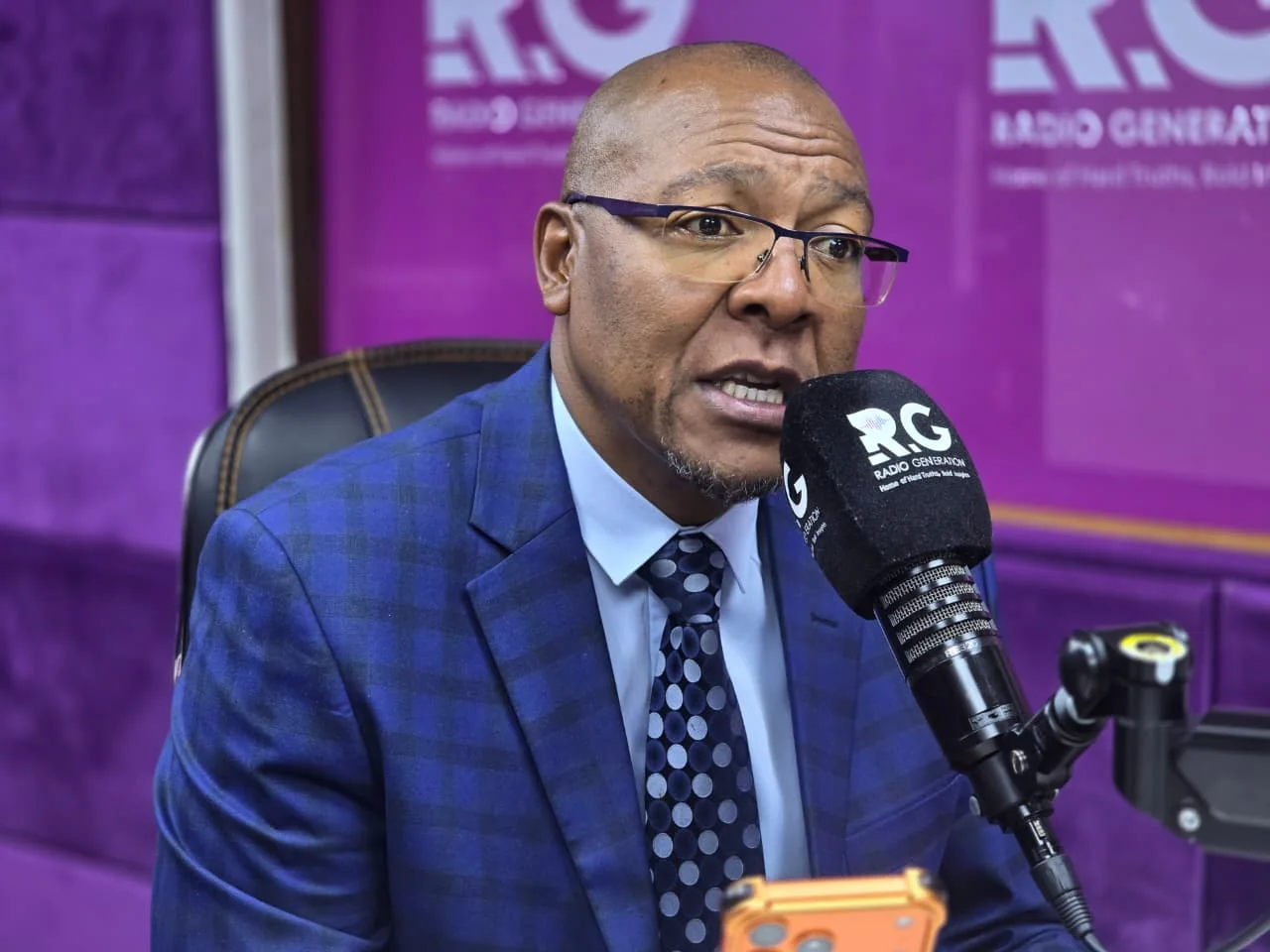
Deputy government spokesperson explained that some narratives presented during the debate were inaccurate and contributed to confusion about the actual contents of the Finance Bill 2026
Deputy Government Spokesperson Gabriel Muthuma has come out strongly in defence of the Finance Bill 2026, saying the public debate around it was heavily shaped by misinformation, misleading claims and confusion spread during both online discussions and parliamentary exchanges.
Speaking during a Radio Generation interview on Wednesday, Muthuma said false narratives about new taxes and misread versions of the Bill created unnecessary panic and distorted public understanding of what was actually passed into law.
He noted that although the government undertook wide communication efforts before the Bill was approved, inaccurate claims still gained traction in public spaces and on social media, influencing how many people viewed the proposed tax changes.
"The President yesterday assented to the Finance Bill, 2026, fulfilling what the government had expected, while also acknowledging concerns over misinformation and disinformation that had influenced public perception and debate."
Muthuma said some of the arguments raised during the legislative process were based on unofficial or incorrect drafts, which contributed to confusion even within parliamentary discussions.
His remarks come at a time when both opposition and some government aligned lawmakers have previously traded accusations over how information on the Finance Bill 2026 was handled during debate, with claims that some Members of Parliament relied on wrong versions of the document while discussing key clauses.
Among the legislators mentioned in earlier heated exchanges were Onesmus Ngogoyo (Kajiado North), Kuria Kimani (Molo), Ndindi Nyoro (Kiharu), Kareke Mbiuki (Maara) and Babu Owino (Embakasi East), who were linked to disputes over interpretation of contested provisions.
The Finance Committee, chaired by Molo MP Kuria Kimani, later clarified that several of the feared proposals circulating publicly, including claims about a land tax and digital levies, were not included in the official version of the Bill. The committee urged MPs and the public to rely only on verified documents to avoid spreading wrong information during debate.
The Finance Bill 2026 was later signed into law by President William Ruto on Tuesday at State House, Nairobi. It is aimed at strengthening government revenue collection by widening the tax base, improving compliance and updating tax administration systems.
The law introduces changes across income tax, VAT, excise duty and tax procedures, with special focus on taxation in the digital economy and closing loopholes that reduce revenue collection.
It also brings reforms designed to improve efficiency in tax administration, including stricter enforcement, pre-filled tax returns and shorter filing timelines to ease compliance.
In addition, the law aligns existing tax provisions with court decisions and policy updates while supporting the government’s wider plan for fiscal consolidation and long-term economic stability.
After signing the Bill, President William Ruto dismissed what he termed propaganda and fake claims that had circulated widely before its approval, especially on social media.
He clarified that reports suggesting new taxes on land, mitumba, bottled water, M-Pesa transactions, mobile phones, airtime and data were false and not part of the law.
The Head of State said the Finance Bill focuses on improving tax compliance, sealing loopholes and ensuring fairness in the system without increasing the tax burden on ordinary Kenyans.
Muthuma said these misleading claims spread quickly during the public participation and debate period, shaping opinions even before people had access to the correct version of the Bill.
He maintained that the legislative process was open and involved broad consultation, adding that the government had engaged multiple stakeholders before the Bill reached its final stage.
“The Leader of Majority (Kimani Ichungwa) took us through all the stages of how a Bill is made,” he stressed, noting that the process involved extensive consultations with more than 100 organisations, including business stakeholders and religious leaders.
He added that the final document passed in Parliament was the official and publicly available version, stressing that earlier confusion came from circulation of unofficial drafts.
Muthuma also linked the spread of misinformation to wider global concerns about the role of digital platforms, warning that false content, including manipulated material and artificial intelligence generated content, is increasingly shaping public debate.
He said government communication efforts will continue to be strengthened through media engagement, parliamentary outreach and public forums to ensure future fiscal policies are better understood.
He concluded that while challenges remain, the debate around the Finance Bill 2026 highlighted both the risks of misinformation and the need for clearer and more trusted public communication in national policymaking.




Comments
Sign in with Google to comment, reply, and like comments.
Continue with Google