Ramaphosa calls for calm as South Africa faces fresh anti-migrant protests
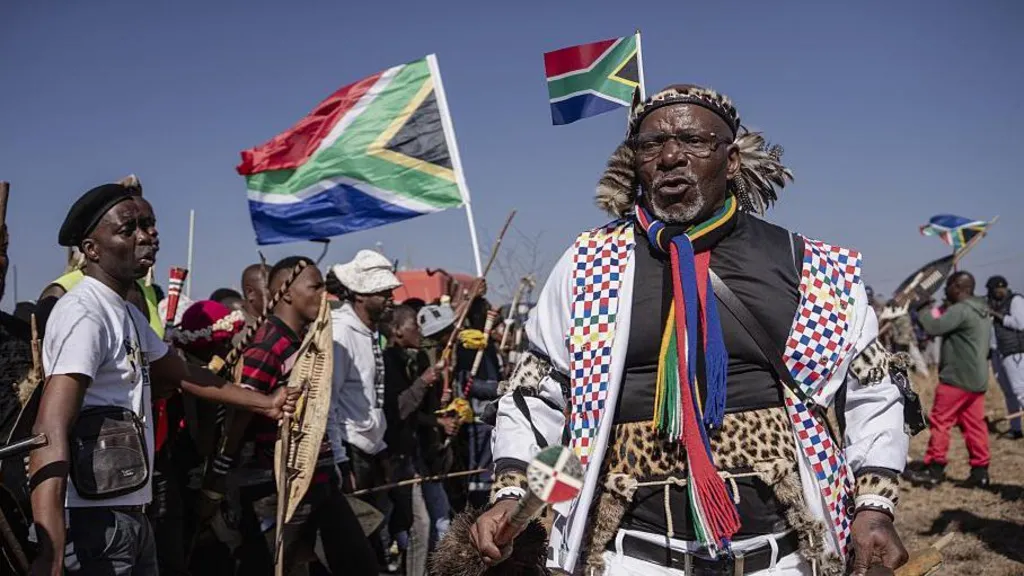
The president's remarks come as an unofficial deadline set by anti-migrant groups for undocumented foreigners to leave South Africa draws near, prompting thousands of migrants to either return home or seek shelter in temporary camps amid fears of possible attacks.
As fresh anti-migrant demonstrations gather momentum across South Africa, President Cyril Ramaphosa has moved to calm rising tensions, warning protesters against using threats, intimidation or violence while reaffirming that foreign nationals living legally in the country are protected by the Constitution.
The president's remarks come as an unofficial deadline set by anti-migrant groups for undocumented foreigners to leave South Africa draws near, prompting thousands of migrants to either return home or seek shelter in temporary camps amid fears of possible attacks.
In his weekly newsletter, Ramaphosa acknowledged growing concerns around immigration but stressed that protests must remain within the law.
"Some foreign nationals who live in South Africa are here lawfully," he said.
"They work, study, raise families, invest in our economy and contribute positively to our society. They too are entitled to the protection of our laws and our Constitution."
Ramaphosa also reminded demonstrators that their constitutional rights do not extend to threatening others.
"The right to protest and freedom of expression does not allow people to threaten or intimidate others, or to engage in acts of vandalism or violence," he wrote.
Official figures show that South Africa hosts more than three million documented foreign nationals.
The growing uncertainty has led many migrants to make difficult decisions. Several thousand people from different African countries have already left South Africa in recent weeks, fearing they could become targets as anti-foreigner sentiment intensifies.
One undocumented Malawian who spoke to the BBC said he was "happy to be going back" but "heartbroken" to be leaving behind four young children.
In Durban, where some of the largest demonstrations have taken place, authorities have begun dismantling a transit camp that has been housing mainly Malawian nationals. The temporary facility had become a refuge for migrants worried about their safety.
As buses prepared to transport people back to Malawi, families waited beside packed belongings for their turn to leave.
Among them was Nelson Mbewe, who said he had travelled to South Africa seeking work so he could support relatives back home.
"But we've faced challenges – they're saying we should go back home because we do not have the right documents," he told the BBC.
"They say we are Makwerekwere."
The term is commonly used as a derogatory label for African migrants from other countries.
"It's their country, so what can we do? That's why we have accepted that we just have to [unwillingly] go back home," Mbewe said.
Another Malawian, Hassan Phiri, appealed for solidarity across the continent despite the tensions.
"All I want to say to South Africans is that we are all one. No matter what is happening, no matter what will happen, Africa must remain Africa.
"Africa can't be Africa without South Africa... without Malawi, without anywhere," he told the BBC, adding: "So whatever will happen, we must love each other and stick together as Africa."
Government data indicates that more than 12,000 immigrants have either been deported or repatriated since the latest wave of anti-migrant protests began earlier this year.
At the same time, Ghana, Malawi, Mozambique, Nigeria and Zimbabwe have been coordinating flights and bus transport for citizens wishing to return home. Authorities say about 3,500 foreign nationals have voluntarily chosen to leave.
South African officials have also stated that more than 500 Nigerians who were repatriated lacked proper documentation, a claim disputed by Nigeria.
Despite Ramaphosa's appeal for calm, more anti-migrant marches have been approved for Tuesday in Durban, Johannesburg and other parts of the country.
Authorities have instructed organisers to ensure demonstrations remain peaceful and say security agencies are ready to respond if unrest breaks out.
Xenophobia has remained a recurring challenge in South Africa for years, occasionally leading to deadly violence. According to Xenowatch, a tracker maintained by the African Centre for Migration and Society, two people have been killed in xenophobic incidents this year.
The issue remains a painful reminder of the country's history, particularly the 2008 attacks against foreign nationals that left more than 60 people dead during widespread anti-immigrant riots.


Comments
Sign in with Google to comment, reply, and like comments.
Continue with Google