Troop withdrawal marks end of joint US-Nigeria anti-IS campaign
Speaking on Thursday, General Dagvin Anderson, Commander of US Air Forces in Africa, said the mission achieved its objectives and weakened the militant group's leadership structure in Nigeria.
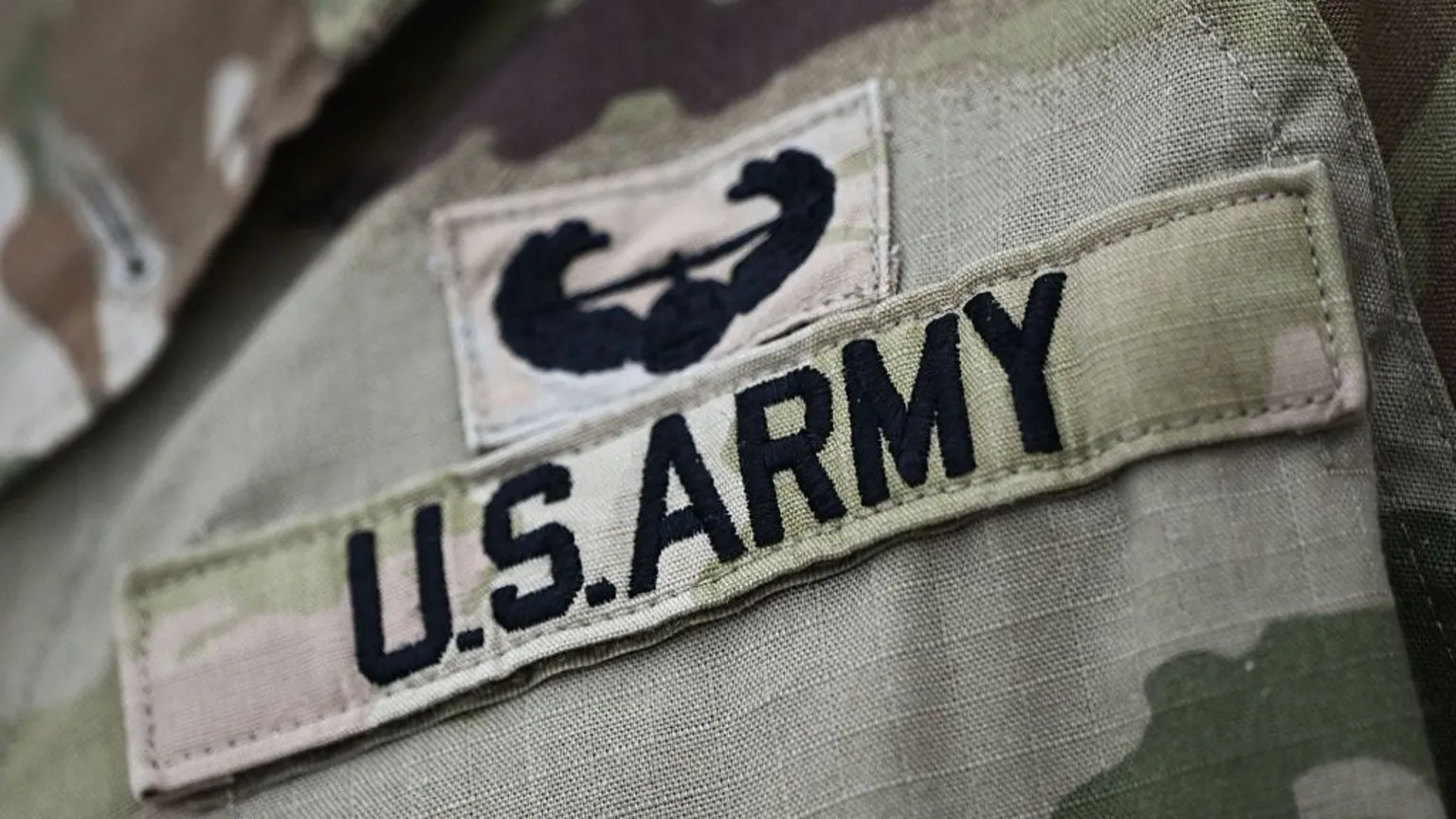
The United States has pulled out most of the troops it sent to Nigeria earlier this year after completing a joint military campaign that targeted Islamic State fighters in the Lake Chad Basin, ending a deployment that both countries say delivered key gains against the militant group.
The operation began in December when American and Nigerian forces launched coordinated action against militants operating in the region. Air strikes were carried out on Christmas Day, and about 200 US soldiers were later deployed to support the mission.
One of the major outcomes of the operation was the killing of Abu-Bilal al-Minuki, a senior Islamic State commander.
Speaking on Thursday, General Dagvin Anderson, Commander of US Air Forces in Africa, said the mission achieved its objectives and weakened the militant group's leadership structure in Nigeria.
He said the operation disrupted both the group's local command system and its connections to the broader Islamic State network, making coordination and communication more difficult.
The withdrawal of American troops is not expected to affect cooperation between the two countries. Nigeria's military spokesperson, Maj-Gen Michael Onoja, said the departure of the soldiers would "not affect our momentum in any way".
According to Onoja, intelligence-sharing arrangements between Abuja and Washington will continue despite the end of the deployment.
The operation came at a time when military ties between the two nations had grown stronger following concerns raised by the United States over attacks by Islamist militants. Washington had accused Nigerian authorities of failing to adequately protect vulnerable communities and alleged there was a "Christian genocide" in the country.
Nigeria rejected the allegation and maintained that the country's security challenges affect citizens from different faiths and backgrounds.
Research groups that monitor conflict in Nigeria have also reported that many victims of jihadist violence are Muslims, largely because insurgent groups operate mainly in the northern region where Islam is the dominant religion.
When announcing the deployment earlier this year, the United States said the troops would assist Nigeria's counter-insurgency efforts but would not participate in direct ground combat.
Although most of those soldiers have now departed, military spokesperson Major General Samaila Uba told the BBC that American personnel who were stationed in Nigeria before the Lake Chad Basin operation remain in the country.
The withdrawal takes place as Nigeria continues to face multiple security threats. In addition to Islamist insurgents, authorities are dealing with armed criminal gangs and widespread bandit attacks that have spread beyond northern states into parts of central and southern Nigeria.
Analysts have noted that Islamic State activity has increasingly shifted towards sub-Saharan Africa in recent years, with its Nigerian branch becoming the most active arm of the group.
Even with the latest mission now concluded, both Nigeria and the United States say their security partnership remains active, with continued intelligence cooperation expected as efforts against militant groups continue.




Comments
Sign in with Google to comment, reply, and like comments.
Continue with Google