KCB calls for stronger partnerships to boost East Africa’s energy security
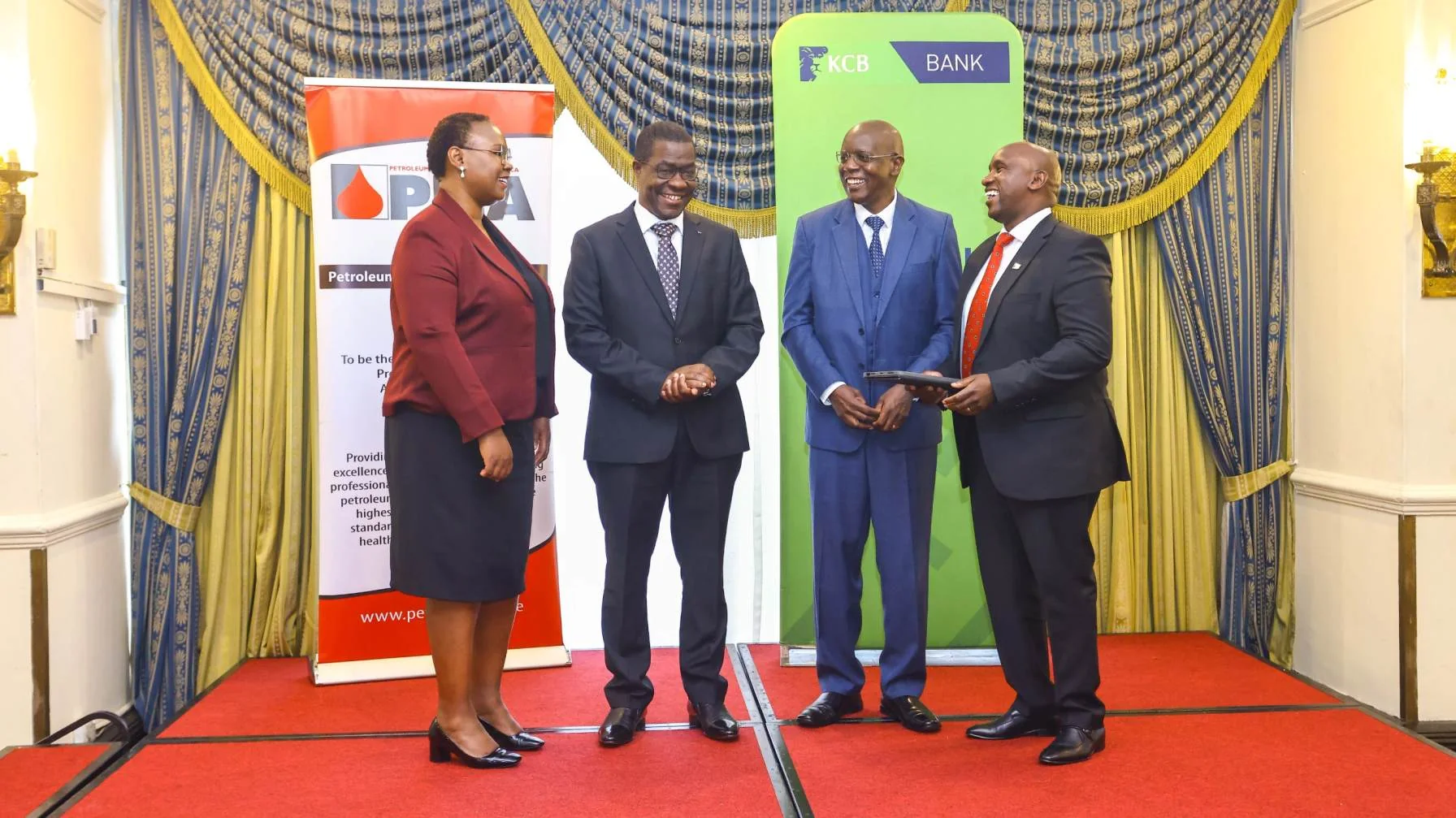
Speaking during the 2026 Half Year State of the Oil Industry Briefing organised by the Petroleum Institute of East Africa on June 29, 2026, KCB Director of Corporate Banking Peter Ng’eno said the region must build resilient energy systems capable of withstanding global shocks and supply disruptions.
KCB Bank has called for stronger collaboration between governments, industry players and financial institutions to strengthen energy security and supply resilience in East Africa amid growing global economic uncertainties.
Speaking during the 2026 Half Year State of the Oil Industry Briefing organised by the Petroleum Institute of East Africa on June 29, 2026, KCB Director of Corporate Banking Peter Ng’eno said the region must build resilient energy systems capable of withstanding global shocks and supply disruptions.
“The global landscape continues to remind us just how interconnected our economies have become. Geopolitical tensions, disruptions in global supply chains, foreign exchange volatility and inflationary pressures have fundamentally changed the way we think about resilience,” said Ng’eno.
He noted that East Africa’s growing population, rapid urbanisation and expanding industrial activity continue to increase pressure on the region’s energy systems, making reliable financing critical in supporting stable fuel supply chains.
Ng’eno said KCB has played a major role in supporting the oil and gas sector across the value chain, including financing fuel imports under Kenya’s Government-to-Government fuel importation programme introduced in 2022.
According to the bank, KCB has so far issued Letters of Credit worth more than Sh1.074 trillion under the programme to support the importation of petroleum products into the country.
“This experience has reinforced a critical reality that energy resilience depends as much on financial resilience as it does on physical infrastructure. Reliable financing mechanisms are essential for maintaining supply chains, managing risk and ensuring continuity during periods of disruption,” he said.
Ng’eno also emphasized the need for balanced investment in both conventional and cleaner energy solutions, saying Africa’s development requires an energy mix that supports industrial growth while embracing sustainability.
He said KCB is developing innovative financing structures to support renewable energy and cleaner technologies as the region transitions toward a more sustainable energy future.
On Middle East tensions affecting global fuel supply Ng'eno said, "The recent tensions in the Middle East exposed the vulnerabilities that continue to exist within global energy markets. For countries that depend on imported fuel, disruptions around key shipping routes have immediate implications on freight costs, insurance premiums, foreign exchange demand, and working capital requirements. At the same time, we must appreciate that energy security and sustainability are pursuing complementing priorities."
Energy Cabinet Secretary, Opiyo Wandayi and Petroleum Institute of East Africa Chairperson Peter Murungi also attended the event.



Comments
Sign in with Google to comment, reply, and like comments.
Continue with Google