NCIC targets youth as peace ambassadors to strengthen cohesion ahead of future elections
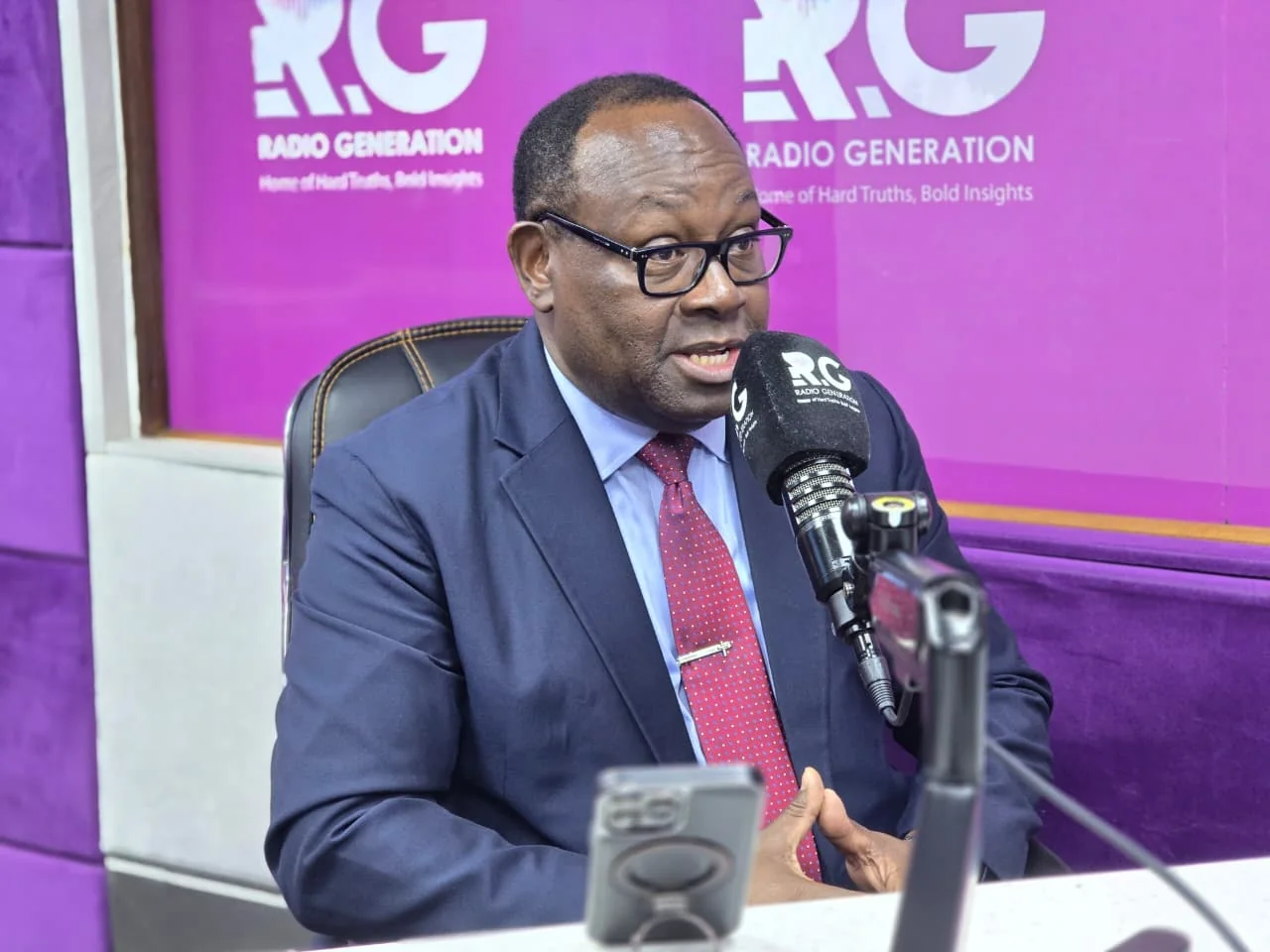
Speaking on Radio Generation on Thursday, NCIC boss said young people would play a central role in promoting cohesion and building lasting peace in the country, arguing that they should be actively involved in national conversations rather than treated as observers.
The National Cohesion and Integration Commission (NCIC) is placing young people at the heart of its peace and cohesion agenda, with plans to train them as mediators, peace ambassadors and future leaders through partnerships with universities and student organisations across the country.
Speaking during an interview on Radio Generation on Thursday, NCIC Chairperson Kepha Omae said the commission is deliberately shifting its focus towards youth engagement, arguing that lasting peace and national unity can only be achieved if young people are actively involved in shaping the country's future.
He said the commission views young people as critical partners in promoting cohesion and wants them included in national discussions rather than being left on the sidelines.
"The truth is, we are not going to bury our heads in the sand. Young people, we need to bring them on board," he said.
Omae noted that NCIC intends to expand civic education and community engagement programmes targeting young people, with the aim of equipping them to serve as peace ambassadors within their communities and institutions.
"One of the things that I can tell you that we desire to do is to bring young people to the table and also involve them in terms of civic education and community engagements as our peace ambassadors," he said.
https://twitter.com/RadioGenKe/status/2072553489339646154
According to Omae, the commission has already started working with youth groups and institutions of higher learning as part of efforts to strengthen leadership development and promote peaceful coexistence among students.
He revealed that NCIC has engaged university leadership and student representatives in discussions on how young people can contribute to peace-building efforts and help address conflicts within learning institutions.
"We have had a conversation with some of the vice chancellors and recently we had an engagement where we had all these student leaders coming together," he said.
The chairperson said one of the key areas of focus is training students to become mediators capable of resolving disputes and promoting dialogue within campuses.
"There are trainings which are going on right now as mediators, so we want to have young people come up as mediators in institutions of higher learning," he said.
Omae explained that the programme is designed to build leadership and governance skills among students while they are still in school, preparing them to take up greater responsibilities in society.
"The whole idea is this: if we can help these young people trained and sharpened in as far as leadership and governance is concerned at their formative age, when they are students, you will see less of the uprisings and unrest that we have seen before in schools," he said.
He said empowering young people with leadership, governance and conflict resolution skills would help reduce tensions within institutions and create a generation better prepared to lead communities and the country in the future.
"If we can get these young people together, one of the thematic areas that we want to narrow down to is getting young people trained, sharpened and developed, especially in the area of leadership and governance," he said.




Comments
Sign in with Google to comment, reply, and like comments.
Continue with Google