Global drugs use hits 331 million as traffickers turn to new synthetic substances
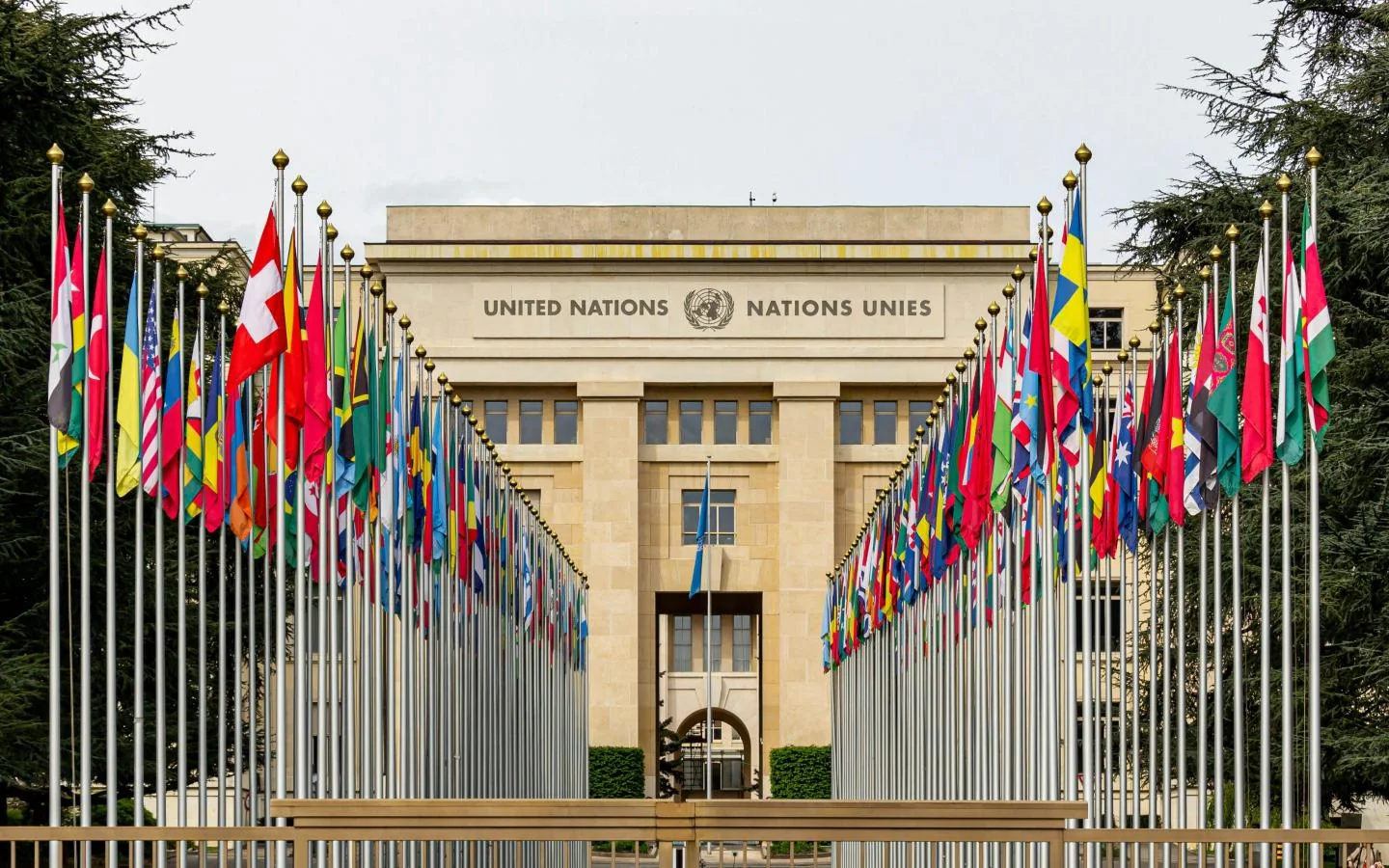
In its World Drug Report 2026, released on June 26, the UN agency highlighted that global drug use has increased significantly over the past decade, while increasingly potent synthetic substances are transforming illicit markets and posing growing threats to public health and international security
The United Nations Office on Drugs and Crime (UNODC) has raised concern over the rapid transformation of global drug markets, warning that criminal networks are increasingly using technology, geopolitical tensions and emerging trafficking routes to expand their reach while flooding markets with more powerful synthetic drugs.
In its World Drug Report 2026 released on June 26, the agency said global drug use has continued to rise over the past decade, with new synthetic substances reshaping illegal drug markets and creating growing risks to public health and security across the world.
According to the report, drug traffickers are constantly adjusting their methods in response to law enforcement efforts by developing new substances, targeting new markets and altering supply chains.
"We have seen an unprecedented spike in new types of drugs on the market, and worryingly, some are more potent or dangerous than before. We are already suffering the impact: millions of premature deaths and healthy years of life needlessly lost; drug trafficking networks that are distorting economies; the destruction of lives, communities, and livelihoods; and the compounding of insecurity and violence."
UNODC said the changing nature of the drug trade requires stronger cooperation among countries to disrupt criminal networks and reduce the harm caused by illicit drugs.
"The imperative to focus on stopping organized crime groups has never been greater. We must surge deterrence efforts, increase intelligence-sharing, and coordinate joint operations, while investing more in prevention and treatment."
The report estimates that 331 million people used drugs in 2024, accounting for 6.2 per cent of the global population aged between 15 and 64 years. This marks an increase from 5.2 per cent recorded a decade ago.
Cannabis remained the most commonly used drug worldwide, with an estimated 256 million users. It was followed by opioids, amphetamines, cocaine and ecstasy.
UNODC noted that illegal drug producers are increasingly turning to synthetic substances as a way of avoiding detection and bypassing regulations.
"Illicit drug manufacturers continue to invent new synthetic drugs in attempts to skirt regulations and avoid detection, with five times more drug types found in seizures in 2024 than before 2000."
The agency pointed to a possible major shift in the global opioid market following Afghanistan's ban on opium production in 2022. It said traffickers appear to be moving towards synthetic opioids, including fentanyls, nitazenes and orphines.
"A turn away from plant-based opiates toward synthetics could cause a permanent shift in the global opioid market, with ramifications on how these drugs are used and the harms therein."
The report further showed that methamphetamine production and trafficking have spread into new regions, including Africa, the Near and Middle East, and parts of Europe.
At the same time, cocaine production reached a record high of more than 4,000 tonnes in 2024, driven by increased cultivation and improved productivity.
UNODC also linked changing attitudes towards cannabis to a 40 per cent rise in the number of users over the past decade. The report noted that international trafficking of cannabis from North America has also continued to grow.
Beyond health concerns, the agency warned that drug use continues to fuel crime, violence and insecurity in communities. It added that poverty, homelessness, poor mental health and limited access to treatment remain key factors that contribute to drug-related harm and should be addressed through prevention and treatment efforts.




Comments
Sign in with Google to comment, reply, and like comments.
Continue with Google