State warns millions face hunger if rice imports are halted
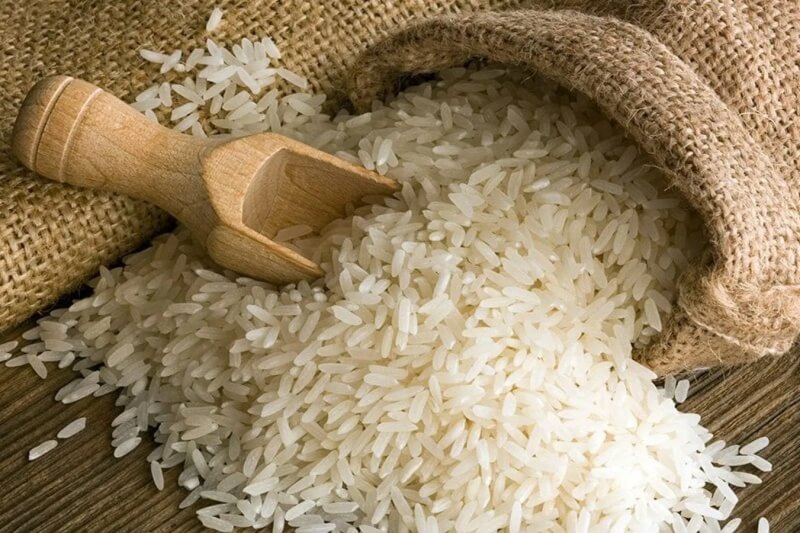
The government cautions that stopping imports now would place more than 3.5 million people at risk of hunger. Rising consumption levels and weather-related production challenges, the State says, have worsened the supply gap, making emergency imports essential
Kenya’s food security could face a serious setback if court restrictions on rice imports remain in place, government officials have warned.
Authorities say the country’s current rice reserves are insufficient to meet demand, and halting duty-free imports could leave millions struggling to access basic food.
Court documents from the Ministry of Agriculture and other state agencies show that between January and June 2026, the nation requires roughly 750,000 tonnes of rice.
Yet, available stocks stand at only about 110,000 tonnes, a shortfall that local harvests alone cannot cover.
The government cautions that stopping imports now would place more than 3.5 million people at risk of hunger. Rising consumption levels and weather-related production challenges, the State says, have worsened the supply gap, making emergency imports essential.
This warning is part of the government’s defense in a High Court case in Kerugoya. The court is reviewing a July 28, 2025, Gazette Notice that approved the duty-free importation of 500,000 tonnes of Grade 1 milled white rice as a measure to protect food security.
Kirinyaga Senator Kamau Murango and Baragwi Ward Representative David Mathenge filed the case, arguing that the notice is unconstitutional. They contend that large-scale imports threaten local farmers, retailers, and suppliers holding existing rice stocks, which could lead to significant financial losses.
Originally, the import plan was meant to last until December 31, 2025, but the court reduced the allowed imports to 250,000 tonnes while the case is ongoing.
The petitioners also challenge the government’s claim of a potential shortfall, insisting that authorities failed to buy local rice over the past three seasons.
“This is not true because the 2nd and 3rd respondents (Cabinet secretaries for Treasury and Agriculture) cannot claim famine when they have not completely mopped up and/or purchased local harvest as alleged at the paddy for three seasons,” the petitioners argue.
Government filings further show that by November 2025, rice reserves were at 381,225 metric tonnes—already below what is needed to meet consumption demands.
Officials maintain that this low stock, combined with climate pressures, makes the continuation of duty-free imports a critical step to avert a food crisis.
The High Court is expected to issue its decision on January 29, 2026, which will determine whether emergency rice imports can proceed or remain limited under the temporary restrictions.




Comments
Sign in with Google to comment, reply, and like comments.
Continue with Google