No one will be spared, IEBC warns as political violence rises
The Elections Act and the Electoral Code of Conduct bar candidates and political parties from engaging in, supporting or promoting violence. Where violations occur, the commission can issue warnings, impose fines, limit campaign activities and, in severe cases, recommend the removal of candidates from the ballot after due process.
The Independent Electoral and Boundaries Commission has put politicians on notice over rising cases of violence at political events, saying those found sponsoring or encouraging goons will face tough consequences as preparations for the 2027 General Election gather pace.
Appearing before the National Assembly Public Accounts Committee on Tuesday, the electoral body said it was concerned by increasing incidents in which rival political camps disrupt meetings, intimidate opponents and fuel tensions that could threaten peaceful elections.
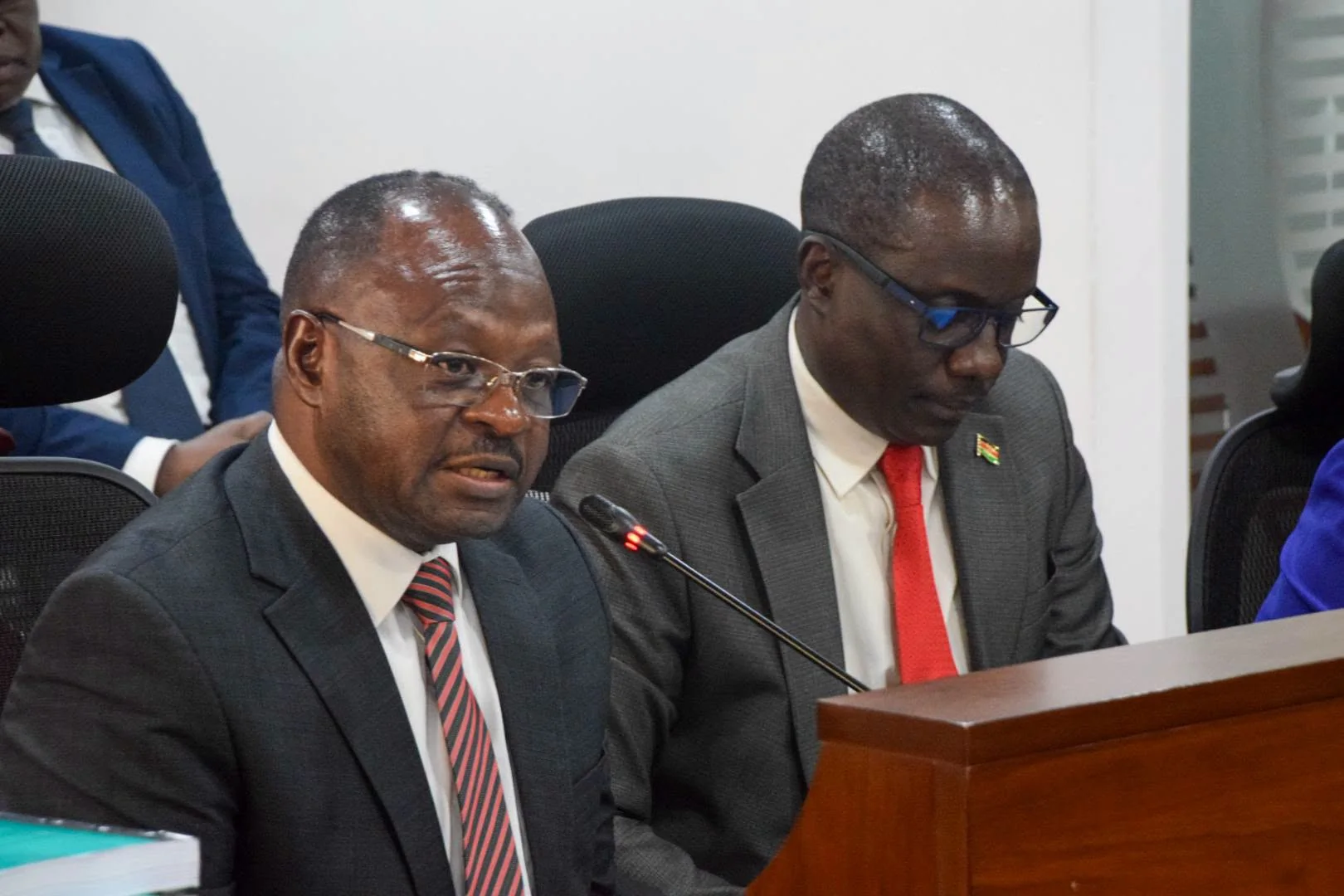
IEBC commissioner Dr Alutalala Mukhwana said the commission was ready to use all powers provided under the law to deal with individuals and parties linked to such acts, stressing that enforcement would be applied without favour.
Mukhwana, who heads the commission's Code of Conduct Committee, told MPs that maintaining peace during the electoral period was a constitutional obligation and not an option for political players.
“We have a code of conduct which stipulates what should be done,” Mukhwana told MPs, adding that peaceful political competition was a constitutional requirement, not a matter of choice.
“We have decided as a commission we will be very indiscriminate. We will ensure the country gets a peaceful election.”
He said the commission would not shield any candidate or political party and would remain focused on ensuring the country conducts peaceful and credible elections.
“We are going to be unprecedented in the manner IEBC is going to handle the issue of goons in the country,” he said.
The Elections Act and the Electoral Code of Conduct bar candidates and political parties from engaging in, supporting or promoting violence. Where violations occur, the commission can issue warnings, impose fines, limit campaign activities and, in severe cases, recommend the removal of candidates from the ballot after due process.
The commissioner was responding to concerns raised by Public Accounts Committee chairperson and Butere MP Tindi Mwale, who sought details on measures being taken to address growing reports of political goonism ahead of the next election cycle.
Commissioners Francis Aduol and acting Chief Executive Officer Moses Sunkuli also appeared before the committee as the electoral body responded to issues raised by Auditor General Nancy Gathungu in the 2024-25 audit report.
The discussion comes at a time when political violence has become increasingly visible in several parts of the country, raising fears of a return to the kind of tensions often associated with election periods.
One of the latest incidents involved Vihiga Senator Godfrey Osotsi, who was assaulted by a group of suspected goons at a Java House outlet in Kisumu.
The attack left the senator injured and prompted investigations that resulted in the arrest of three suspects.
While appearing before Parliament on April 21, Interior Cabinet Secretary Kipchumba Murkomen disclosed that several suspects had escaped across Kenya's borders.
“DCI circulated the pictures, three of them presented themselves. The rest of them, 13 or 14, ran out of the country to the neighbouring country,” he told MPs on April 21.
Osotsi later narrated how the attack unfolded while he was seated at the restaurant after sending his security officer to withdraw money from a nearby location.
“I was seated facing the main entrance, so I saw them coming in. They did not look hostile. They were shouting ‘Senator’. Two of them greeted me. I did not see any danger.
“All of a sudden, they started hitting me and asking why I was supporting one term... Before long, I was unconscious because they hit me so hard. I tried to run away, I fell, and they continued to hit me,” he added.
Another incident that drew national attention occurred on June 19, 2026, in Kuresoi North, Nakuru County, where rival political supporters clashed during a public function.
Violence erupted during a women and youth empowerment event at Umoja Secondary School, leaving at least three people nursing gunshot wounds.
The programme, hosted by Governor Susan Kihika, turned chaotic after the arrival of Kuresoi North MP Alfred Mutai, leading to confrontations between opposing groups.
Those injured were rushed to Molo Level 4 Hospital with gunshot wounds to their hands and legs and were reported to be receiving treatment.
The incidents have once again brought into focus concerns about organised groups being used to settle political scores and silence opponents.
Mukhwana said politicians must take greater responsibility for the conduct of their supporters instead of leaving the burden of maintaining peace entirely to security agencies.
According to the commissioner, some leaders publicly condemn violence while quietly enabling the same behaviour during political activities.
“We appeal to politicians to help us achieve peaceful elections. If you stop paying these goons, we will stop having these issues,” Mukhwana said.
He warned that hostile political rhetoric, mobilisation of violent groups and interference with opponents' gatherings weaken democratic participation and damage public trust in elections.
Despite the commission's assurances, lawmakers questioned whether IEBC had consistently enforced the law against all offenders.
Lugari MP Nabii Nabwera accused the electoral body of failing to act in some instances where politicians were allegedly connected to electoral offences.
“You are implementing the law selectively. In some cases you look the other way. It is important that you implement the law equally, no matter which side is in the wrong,” Nabii said.
Members of the committee urged the commission to prove its independence by taking action against violators across the political spectrum.
They argued that public confidence in the electoral process depends on fair and consistent application of the law.
As the country moves closer to the next election period, IEBC said it has intensified cooperation with security agencies and other stakeholders to monitor emerging trouble spots and prevent incidents before they occur.
Teso South MP Mary Emaase also called for stricter control of access to polling stations, arguing that unauthorised individuals often contribute to disorder during voting.
“I plead with IEBC to lock out the goons from polling stations. Those allowed at polling stations should strictly be agents of the candidates,” Emaase said.




Comments
Sign in with Google to comment, reply, and like comments.
Continue with Google