All counties remain in normal drought category, NDMA says
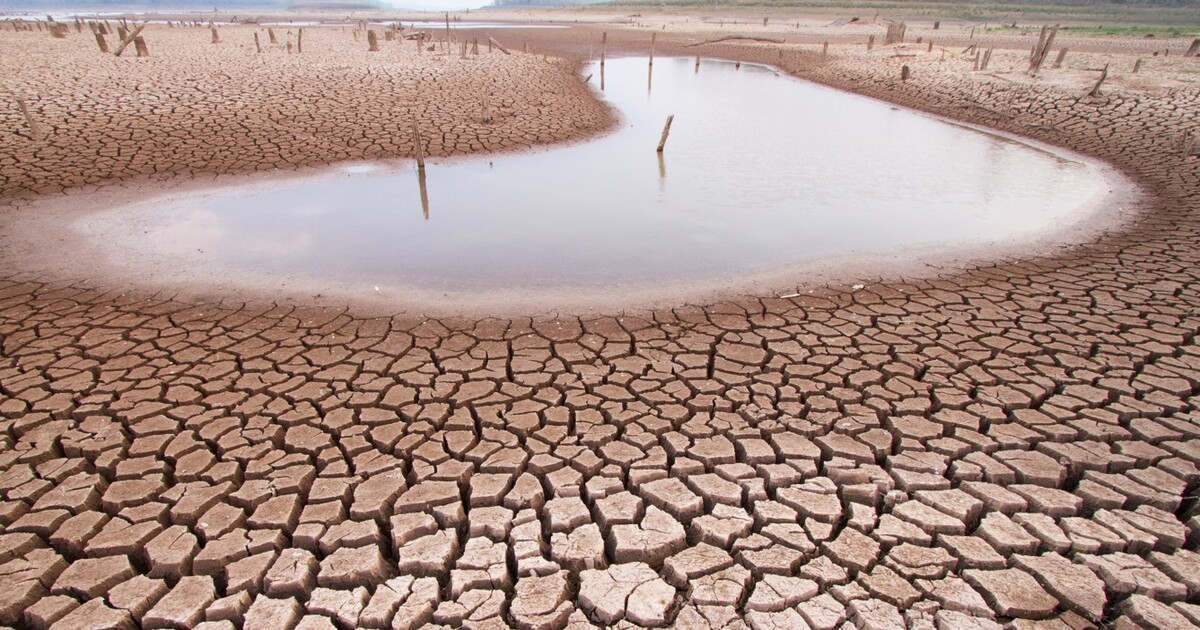
NDMA Chief Executive Hared Adan said the country's drought status remains stable and is expected to remain normal until the end of July. However, he cautioned that changing conditions could see some counties move into the alert category in the coming months, underscoring the need for continued preparedness.
The National Drought Management Authority (NDMA) has announced that all counties are currently in the normal drought phase, offering relief after months of weather uncertainty, but warned that some regions could begin slipping towards the alert phase within the next two months.
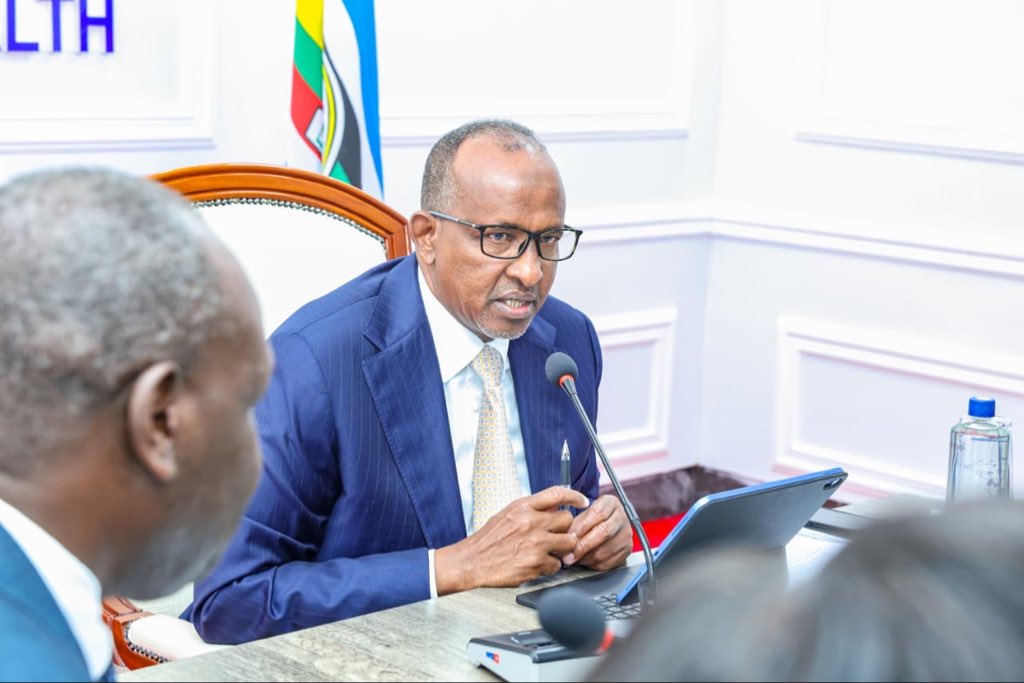
NDMA Chief Executive Hared Adan said the country's drought status remains stable and is expected to remain normal until the end of July. However, he cautioned that changing conditions could see some counties move into the alert category in the coming months, underscoring the need for continued preparedness.
“Terms of drought classification nationally, all counties are currently in the normal phase. But within the next two months, some of the counties might drift to alert phase. But between now and end of July, we expect the drought status to be normal as it is,” Adan said.
He spoke while commissioning the rehabilitated Arera Borehole in Shanta Abaq Sub-county in Garissa County.
Adan said there is a need to maintain focus on long-term investments that help communities withstand drought before conditions worsen.
“Want to underscore the need for continued vigilance and sustained investment in drought resilience. This water project that we are jointly commissioning with the county government is a clear testimony of our intention to address the drought situation,” he said.
The rehabilitation of the borehole was undertaken after growing demand placed pressure on the existing water source, exposing residents to recurring water shortages, livestock losses and reduced livelihoods.
The Sh1.7 million project involved the construction of a fabricated steel water tower, installation of two elevated 10,000-litre water storage tanks with a combined capacity of 20,000 litres, construction of four livestock watering troughs and installation of new plumbing systems, distribution pipelines and related fittings.
The improved infrastructure replaces hand-dug watering points that residents had relied on for years. The upgrade is expected to improve water use, reduce losses and increase access to water for livestock.
The borehole is projected to benefit about 200 households and approximately 4,500 livestock, mainly cattle, during dry seasons, making it an important resource for the local community.
Adan said the rehabilitation is part of the government's wider drought response and resilience programme aimed at reducing vulnerability through lasting investments.
“The project forms part of the government’s long-term strategy of strengthening drought resilience through investments in durable water infrastructure that reduces vulnerability and dependence on costly emergency response interventions,” he said.
According to Adan, the authority received repeated appeals from residents to rehabilitate the borehole after livestock were forced to drink from hand-dug troughs, resulting in major water losses and inefficient use of scarce resources.
“NDMA responded by mobilising resources to rehabilitate the borehole and investing in improved water storage and livestock watering infrastructure to ensure a more reliable, efficient and sustainable water supply,” he said.
He said investments in reliable water infrastructure remain the most sustainable approach to reducing the human and economic effects of drought.
“Our focus is to reduce the cost of responding to drought by investing in long-term solutions that strengthen community resilience before crises occur. Every resilience investment protects livelihoods, safeguards development gains and reduces future expenditure on emergency response,” Adan said.
He urged residents to take responsibility for protecting the facility so that it continues serving the community for many years.
Garissa Chief Officer for Water Mohamed Ibrahim welcomed the partnership between the county government and NDMA, saying the project complements efforts already being undertaken by the county to improve water access and strengthen resilience among local communities.



Comments
Sign in with Google to comment, reply, and like comments.
Continue with Google