Bob Njagi declares presidential bid, seeks to lead Independent candidates movement
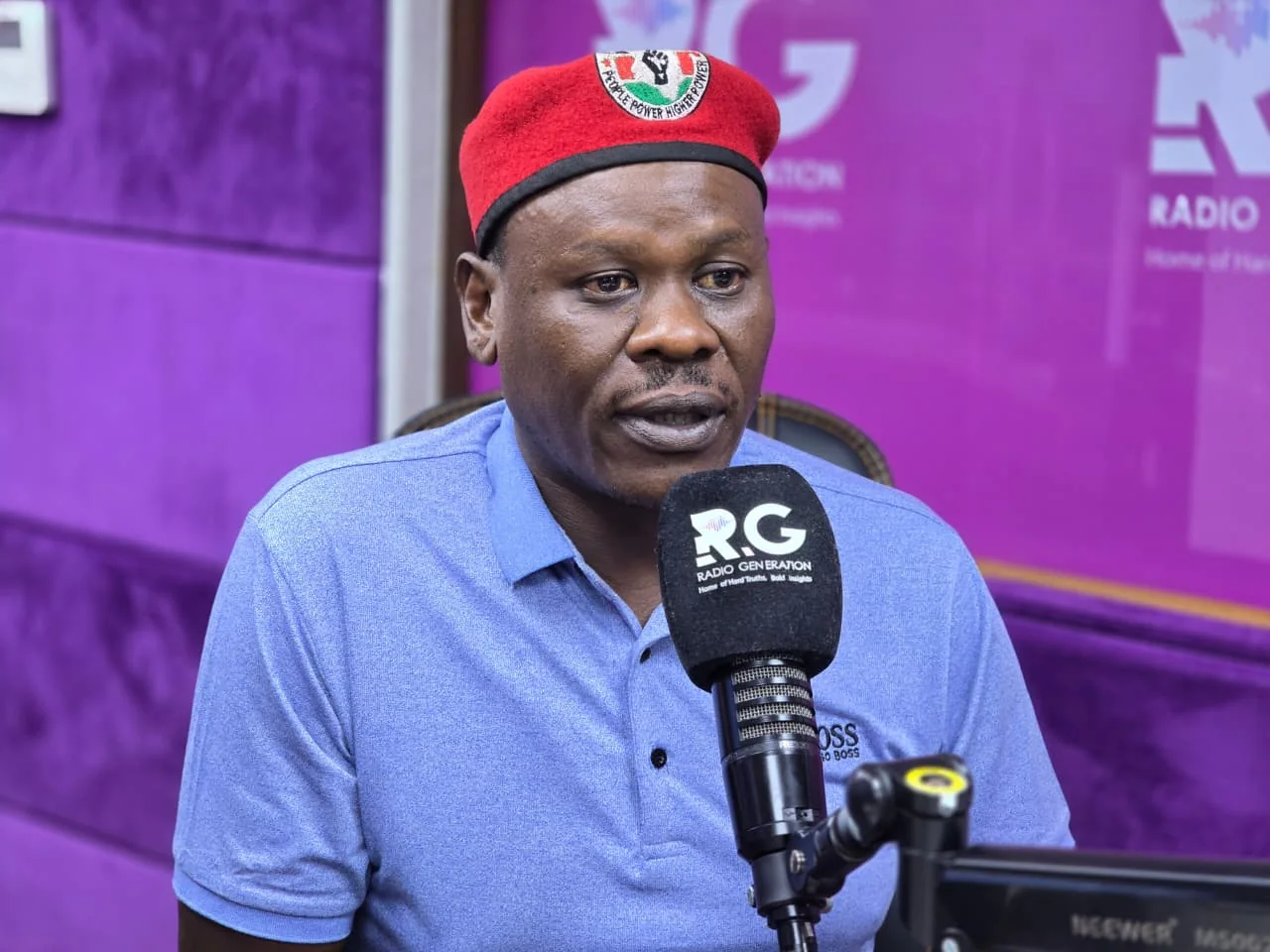
Speaking on Radio Generation on Monday, Njagi said he is building a broad coalition of independent aspirants aimed at challenging party dominance in Kenyan politics, including plans to field candidates for Parliament, governorships and the presidency.
Free Kenya Movement Chairperson Bob Njagi has declared his bid for the presidency, positioning himself as the face of a growing push for independent leadership and launching a fierce attack on Kenya’s political party system, which he blames for corruption, manipulated nominations and poor accountability.
Speaking on Radio Generation on Monday, Njagi announced plans to build a nationwide coalition of independent aspirants ahead of the 2027 General Election, saying the movement intends to field candidates for Parliament, governor, senator and president in an effort to challenge the dominance of political parties.
“I’m vying for president, as an Independent candidate, and we are teaming up with 290 members of Parliament, independent, 47 governors, independent senators,” he said, adding that the strategy is to “circumvent the political structure by using an alternative created in the constitution.”
Njagi's entry into the race adds to the list of leaders and public figures who have expressed interest in challenging President William Ruto in the 2027 presidential contest. Among those who have signaled their intention to run are activist Boniface Mwangi, former Chief Justice David Maraga, NARC-Kenya leader Martha Karua and former Interior Cabinet Secretary Fred Matiang’i.
Njagi described political parties as a major obstacle to fair competition, arguing that the nomination process has become the first stage of election manipulation.
According to him, candidates who secure party tickets in regions where particular parties are popular often enjoy an advantage regardless of how they obtained the nomination.
“That guy who has rigged himself from the nomination process… and because the party is popular in that region, he has a higher chance of winning,” he said.
He further claimed that many aspirants seeking party tickets are forced to pay bribes or seek favour from influential individuals within party structures.
Njagi alleged that some candidates are even pushed into offering what he termed as “even sexual favors” in order to secure nominations.
Presenting independent candidates as a better option, he said leaders should be allowed to seek elective office without going through party systems that he believes are compromised.
“We just come and run as independents, and we form a coalition, and we get the right people into Parliament,” Njagi said.
He argued that a strong group of independent lawmakers would have the ability to influence legislative decisions and reduce the control political parties currently exercise over elected leaders.
Njagi also pointed to his own political journey, saying he had previously contested for a parliamentary seat as an independent candidate. He maintained that running independently is more affordable and accessible than participating in party nominations.
Under the Constitution of Kenya 2010, individuals have the right to contest elections without belonging to a political party. Article 85 sets out the conditions for independent candidates, including the requirement that they must not have been members of a political party for at least three months before an election and must not use party symbols in their nomination papers.
The Independent Electoral and Boundaries Commission is responsible for setting nomination requirements and fees for candidates seeking elective office. Independent candidates must meet nomination thresholds and pay nomination fees, while party-sponsored candidates often benefit from established party structures during the nomination process.
Njagi argued that the current arrangement creates inequality in political participation and exposes voters to manipulated outcomes from the nomination stage.
He said his movement is preparing to convene a national conference in Nairobi that will bring together independent aspirants from across the country to formalise a coalition ahead of the next election.
The initiative, he added, is aimed largely at young people who have become increasingly frustrated with traditional party politics.
“Independent leaders will be the next big thing… especially with the Gen Z,” he said.


Comments
Sign in with Google to comment, reply, and like comments.
Continue with Google