Ruto pledges coffee reforms to lower fertilizer costs and speed payments
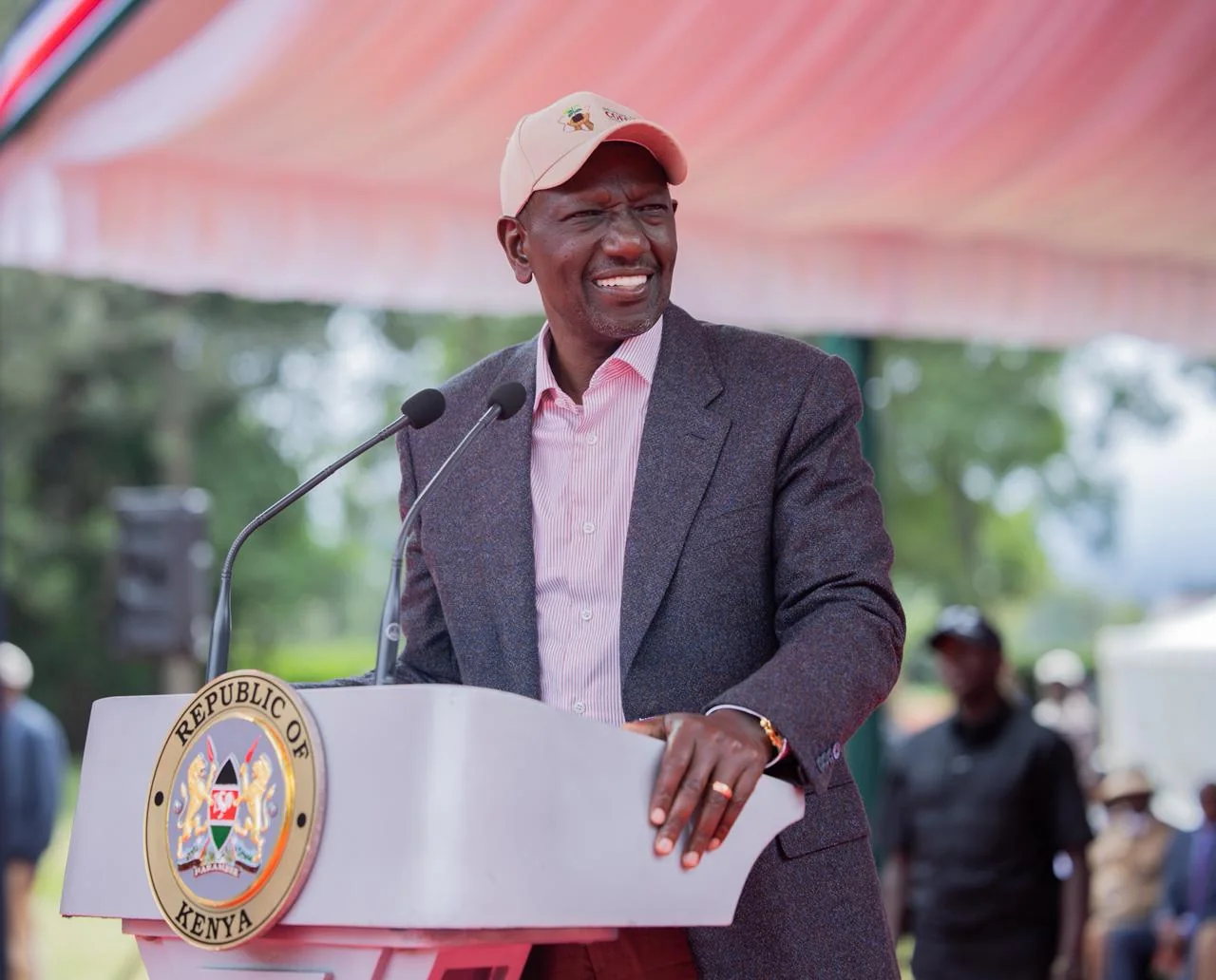
President Ruto further explained that he would sign the Finance Bill 2026 into law, unlocking Sh18 billion in funding aimed at lowering the cost of coffee fertilizer
President William Ruto has pledged to boost coffee farmers’ earnings through reforms aimed at lowering fertiliser costs, enhancing transparency in the coffee value chain, and ensuring faster payments.
Speaking during the launch of the Coffee Revival Programme in Kianyaga, Kirinyaga County, on Monday, the President defended his administration’s reforms, saying they were designed to eliminate exploitation by middlemen, restore farmers’ confidence in the sector, and increase Kenya’s annual coffee production from about 50,000 tonnes to 150,000 tonnes by 2028/2029.
He also highlighted that the reforms had already contributed to a significant rise in coffee prices and expressed confidence that farmers’ returns could increase further to Sh250 per kilogram.
"This coffee reform programme has one objective: to ensure that farmers earn more money. You will recall that when I stood here in Kirinyaga, I promised that if you entrusted me with leadership, I would streamline and improve agricultural matters. Every leader will be judged by the work they have done," he said.
The President highlighted farmer registration and fertilizer subsidies as key interventions implemented since 2022.
He noted that one of his commitments was to register farmers, adding that 7.3 million farmers have now been captured in the national register.
The Head of State also stressed that the government would allocate funds to reduce fertiliser prices, which are currently sold at Sh2,500 across the country.
He further explained that he would sign the Finance Bill 2026 into law, unlocking Sh18 billion in funding aimed at lowering the cost of coffee fertiliser.
Ruto noted that government spending on fertiliser subsidies has steadily risen from Sh7 billion when he took office in 2022 to Sh18 billion in the current financial year.
The President also defended reforms targeting multiple licensing in the coffee value chain, saying they were meant to improve transparency and curb exploitation.
He stated that so-called fraudsters in the agricultural sector had distorted coffee and sugarcane pricing by capturing the system.
The Commander-in-Chief highlighted that previously, some individuals held multiple roles and licences—acting as farmers, millers, brokers, and buyers at the Nairobi Coffee Exchange—and insisted this practice would no longer be allowed, with each person now limited to a single licence.
According to the President, the reforms have already translated into higher returns for farmers.
“Today, the results are very clear. Coffee here used to sell at Sh30, Sh50, Sh60, and Sh70. Today in Kenya, let us be honest, a kilogram of coffee is going at 120, 130, 140, 150, 158,” Ruto said.
Despite the gains, he explained the government was aiming for even higher prices.
“We want this coffee, God willing, to reach Sh250 and even move towards Sh300. We have a plan, and we will explain it to you,” he added.
The President also announced measures to ensure prompt payments to farmers, saying coffee deliveries should be paid for within five days.
“We have agreed that once a farmer delivers coffee, payment should be made within five days. This should be mandatory and not optional; it is a farmer’s right to receive what they are owed,” Ruto said.
He concluded by explaining that Kenya currently produces about 50,000 tonnes of coffee annually and aims to triple output to 150,000 tonnes by 2028/2029 through improved seedlings and higher yields per tree.




Comments
Sign in with Google to comment, reply, and like comments.
Continue with Google