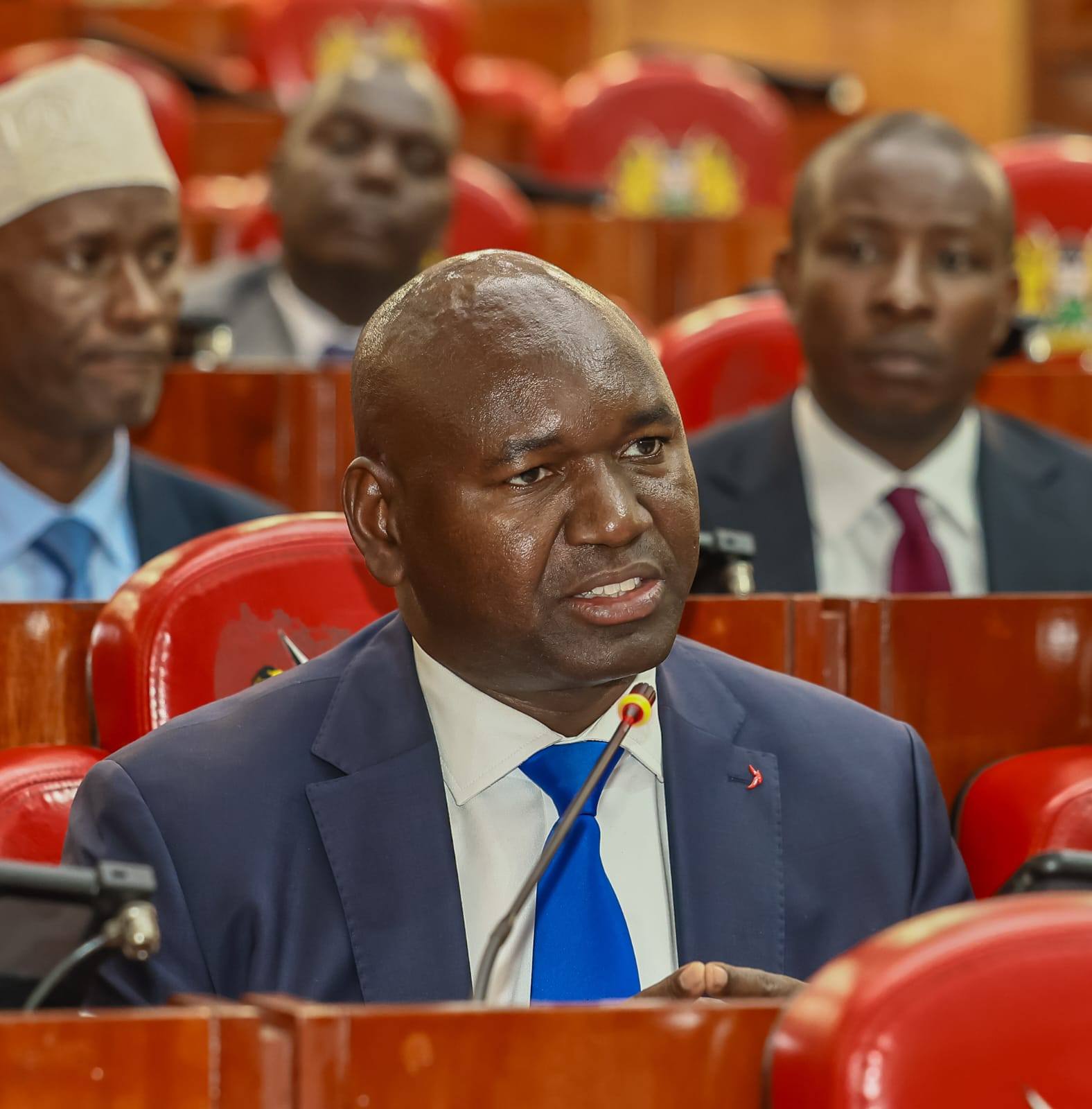
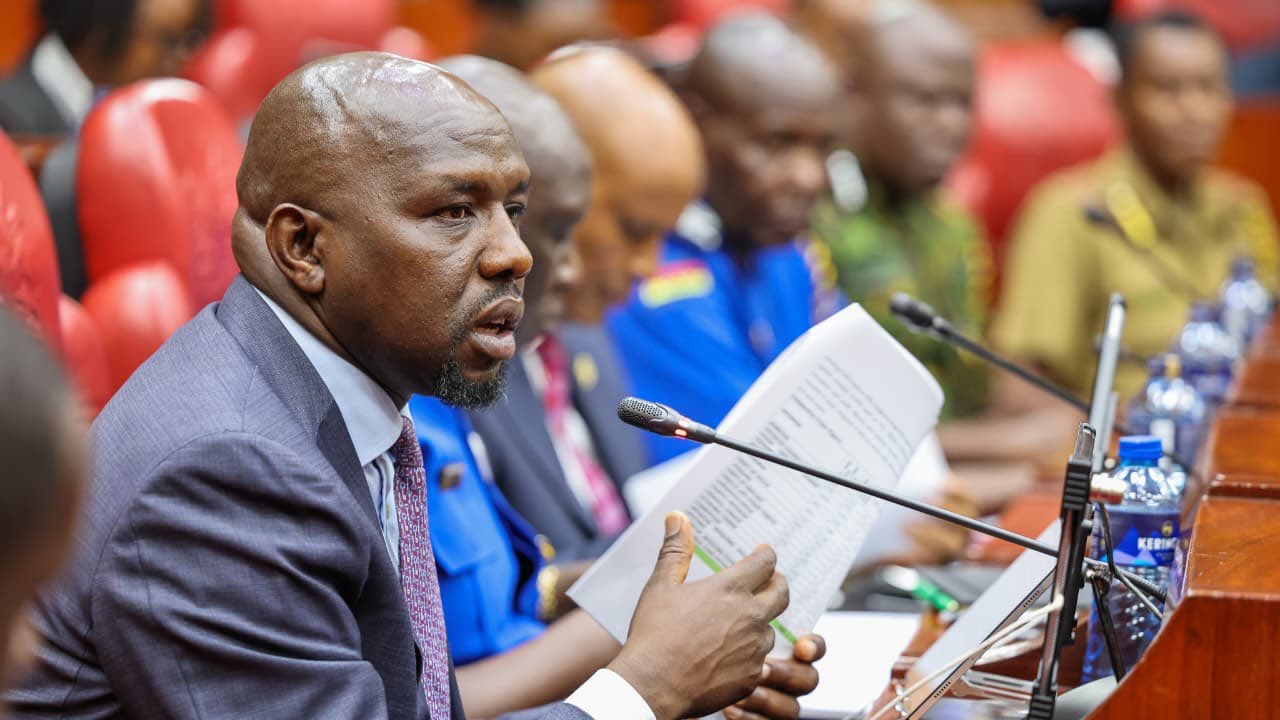
Public schools are facing mounting pressure as government funding fails to keep pace with the rapid rise in learner numbers, leaving more than 1.1 million secondary school students without full capitation support, Education Principal Secretary Julius Bitok has told Parliament.
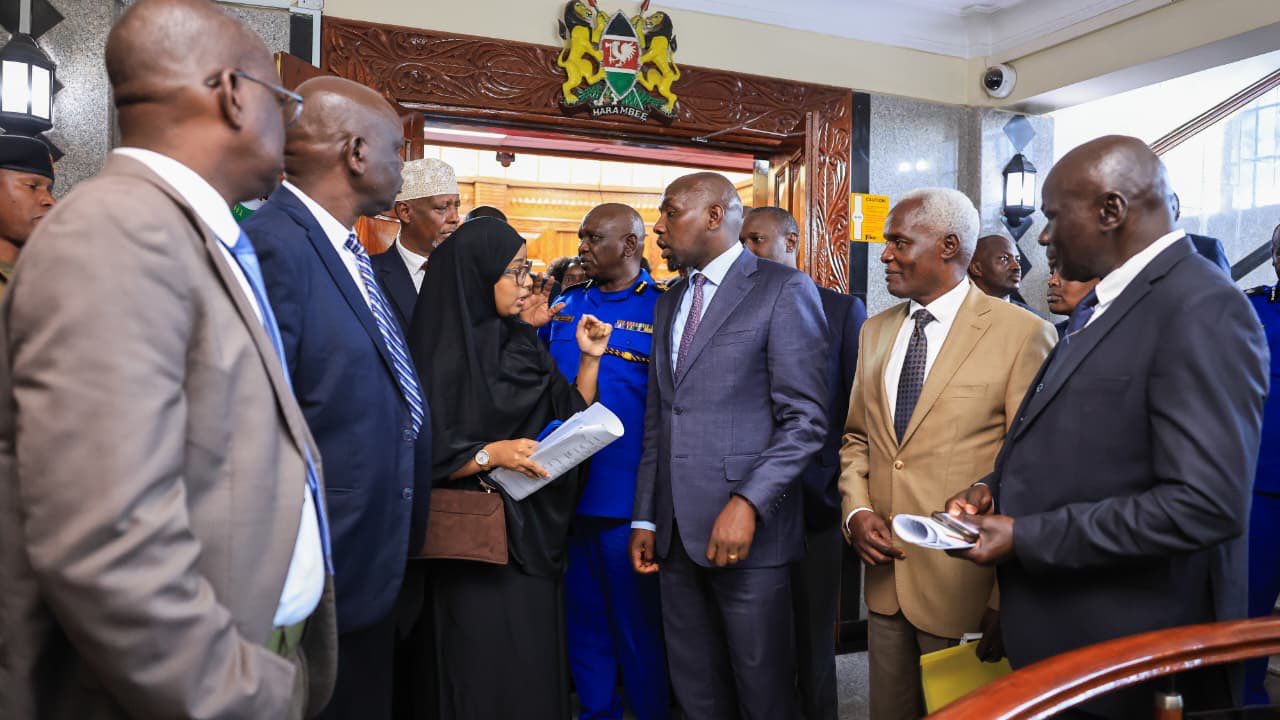
Bitok said the gap between what schools need and what is actually released has widened over the years, creating strain across primary, junior secondary, and secondary education levels. He appeared before the National Assembly Public Accounts Committee, where he outlined the funding situation from the 2020/2021 to 2023/2024 financial years.
According to him, secondary schools have been hit hardest, with a shortfall of Sh76,995,346,067. Junior secondary schools follow with Sh31,981,877,799, while primary schools face a deficit of Sh14,048,116,230. Secondary special needs education also recorded a gap of Sh67,117,182.
Bitok said although the government has set capitation at Sh22,044 per learner, schools are receiving far less than that amount on average.
“Indeed, the budgetary allocations for secondary schools fall short of the submitted requirements during the years under review for schools,” he said.
He further told MPs that enrolment has grown steadily from 3,396,322 learners in 2020/2021 to 4,036,650 in 2023/2024, increasing funding pressure on the system. During the same period, required financing rose from about Sh75.5 billion to nearly Sh89.8 billion, but allocations did not rise proportionally.
This mismatch has pushed the funding gap to over Sh25.8 billion by the 2023/2024 financial year, while the number of learners not fully catered for has increased from 724,959 to 1,161,349.
He also noted that per-learner support has dropped from Sh17,495.95 to Sh15,844.38.
“The gap between policy and actual disbursement is primarily a function of fiscal constraints and increased enrolment pressures. However, the state department has ensured that the available resources are distributed transparently, equitably, and strictly to verified learners,” he said.
Bitok added that Sh23.4 billion in capitation funds is currently being processed and is expected to reach schools by Friday ahead of the new school term.
However, a special audit presented to the committee warned that the current funding structure does not adequately reflect the real needs of learners and institutions.
“The capitation model, therefore, is not equitable,” reads the report.
The audit also flagged inconsistencies between enrolment records in the National Education Management Information System and actual school registers, which it said has affected how funds are distributed.
Bitok attributed the discrepancies to delayed data entry, weak internet access in some areas, limited capacity in schools, frequent learner transfers, absenteeism, and missing birth records. He said the ministry is shifting from Nemis to Kemis to address the challenges.
Members of Parliament raised concern over the growing gap in funding and its impact on schools.
Teso South MP Mary Emase said the government should be open with parents about what it can realistically afford.
“We are living a lie. We are preaching water and drinking wine. Can we just say we can’t afford the Sh22,000?” Emase said.
Funyula MP Wilberforce Oundo said schools are already operating on much lower funding than expected and questioned how they are surviving the shortfall. He estimated that the actual support per learner has dropped to about Sh12,000.
“We should move from ‘free’ education to a subsidised system where parents pay the shortfall,” he said.
Samburu West MP Naisula Lesuuda asked for clarity on whether full free education funding is still achievable, while Aldai MP Marianne Kitany raised concern over the rising number of learners missing capitation, now estimated at 1.1 million secondary school students.
Mathioya MP Edwin Mugo questioned whether some schools are closing earlier than expected due to lack of funds and raised concern over pending bills in secondary schools.
PAC chair Tindi Mwale criticised government spending priorities, warning that education must not be neglected.



Comments
Sign in with Google to comment, reply, and like comments.
Continue with Google