Finance Bill, 2026: What MPs changed and what was blocked for Kenyans
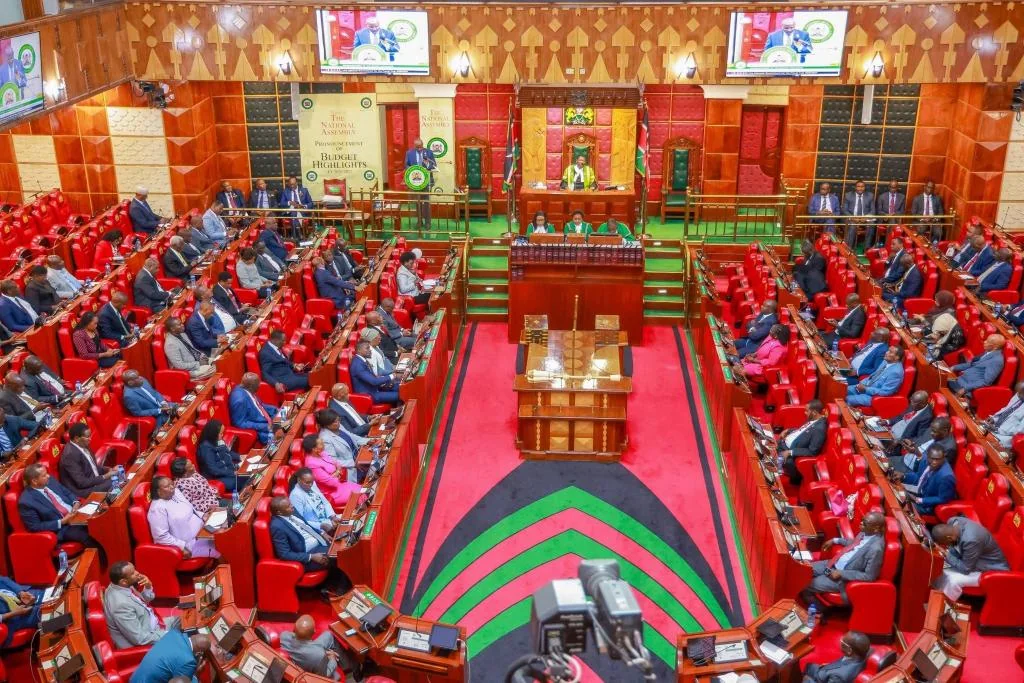
The National Assembly passed the Finance Bill, 2026, in its Third Reading with 122 votes in favour against 40 nays. The vote is among efforts by the government to fund the Sh4.8 trillion budget for the 2026-27 fiscal year.
Kenyans will not face new charges on mobile money transfers, smartphones, or several everyday goods after Parliament rejected a series of tax proposals in the Finance Bill 2026 that would have raised the cost of digital transactions and tightened enforcement powers for the tax authority.
Instead of approving sweeping changes, Members of Parliament scaled back most of the proposals, maintaining the current tax structure in several key areas while only allowing limited reforms focused on improving tax administration and compliance.
One of the most contested proposals would have given the Kenya Revenue Authority (KRA) powers to freeze bank accounts and seize assets from taxpayers without following existing legal procedures.
MPs on Thusday shot down the idea, arguing it would give the tax authority too much unchecked power. The current legal safeguards will therefore remain in place, meaning KRA must continue relying on established due process when enforcing tax collection.
Lawmakers also rejected a proposal that would have required taxpayers to first pay disputed principal tax before they are allowed to file appeals against KRA decisions. MPs said the move could block access to justice and discourage legitimate tax disputes from being heard.
Digital payments were also spared new costs after MPs turned down a proposal to introduce a 16 per cent VAT on mobile money transfer fees such as M-Pesa and Airtel Money charges. The rejected plan had sparked concern that millions of users who depend on mobile money for daily transactions would end up paying more.
In another decision affecting consumers, MPs dismissed a proposal to impose a 25 per cent excise duty on mobile phones and tax devices at the activation stage. Lawmakers said the move would have pushed up the cost of smartphones and slowed down efforts to expand digital access.
A related VAT amendment proposal that sought to change the wording from “registered person” to “person” was also rejected after MPs warned it could widen tax obligations and affect small businesses operating below the VAT threshold.
However, Parliament did approve some changes aimed at improving how taxes are administered. KRA will now be allowed to use third-party data to pre-fill tax returns, although the agency will be required to provide reasons for its assessments and allow taxpayers to correct any errors before finalisation.
The top PAYE rate will also remain unchanged at 35 per cent after MPs rejected proposals to reduce it to between 28 and 30 per cent. Lawmakers argued that lowering the rate would reduce government revenue at a time when fiscal pressure remains high.
Other rejected proposals included plans to remove VAT exemptions on green mobility products such as electric motorcycles and bicycles, and to shift animal feeds and pharmaceutical inputs from zero-rated to exempt status. MPs said these changes would have increased costs for farmers, manufacturers, and consumers.
A proposed 60 per cent deemed dividend tax on undistributed corporate profits was also dropped, with MPs warning it could discourage investment and place an additional burden on businesses.
On the other hand, MPs expanded KRA’s recovery powers, allowing the authority to collect other unpaid government levies and charges using the same mechanisms used for tax arrears. This means non-tax government debts can now be recovered more aggressively if left unpaid.
Lawmakers also approved stricter import documentation rules, requiring importers to retain export documents from the country of origin for up to five years. Failure to provide the documents will allow KRA to reject claims and determine tax payable.
In addition, KRA will now operate under tighter data protection rules, with MPs requiring the agency to comply fully with the Data Protection Act when collecting, storing, and sharing taxpayer information.
Taxpayers will also have less time to file returns after MPs approved a reduction of the filing period from six months to four months after the end of the financial year. Nil returns must now be submitted within one month, a change expected to increase pressure on individuals and businesses to meet deadlines.
The Finance Bill, 2026 now moves forward with a mix of rejected tax hikes and approved administrative changes, reflecting Parliament’s attempt to balance revenue collection with public concern over rising living costs.
The passage now clears the way for the Bill to be forwarded to President William Ruto for assent before it becomes law




Comments
Sign in with Google to comment, reply, and like comments.
Continue with Google