Kenya among 22 countries facing high risk from emerging El niño rains
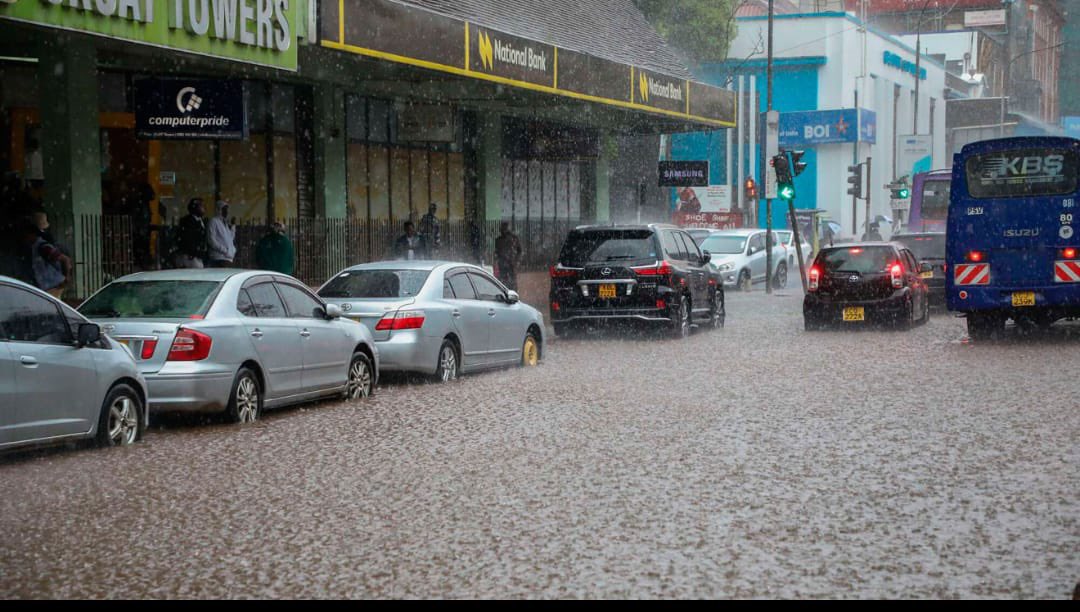
Kenya is among countries that FAO and WFP say require urgent support and planning before the expected impacts become more severe.
Kenya has been placed on a global watchlist of countries likely to bear the brunt of a powerful El Niño weather pattern that is taking shape, with UN agencies warning that flooding, damage to farms and disruptions to livelihoods could hit parts of the country in the coming months if preparations are not stepped up.
A new assessment released by the Food and Agriculture Organization (FAO) and the World Food Programme (WFP) identifies Kenya among 22 countries facing heightened exposure to El Niño-related weather shocks between late 2026 and early 2027.
The report raises concern that millions of people living in vulnerable areas across the world could see their food security threatened as the climate event gains strength.
“An El Niño is forming, and millions of food-insecure people are in its path. Strong El Niño conditions are developing, threatening food security, agriculture and livelihoods across multiple regions into 2027,” the report says.
“This El Niño is expected to bring significantly drier conditions to Southern Africa, Central America, parts of Asia and the Pacific, and Eastern Africa, while increasing the likelihood of floods and storms in the Horn of Africa and parts of Asia.”
Kenya is among countries that FAO and WFP say require urgent support and planning before the expected impacts become more severe.
According to the agencies, the countries were selected after reviewing climate forecasts, previous El Niño trends, food insecurity levels, farming seasons and the ability of governments and communities to respond to emergencies.
The report further notes that Kenya is among countries where efforts are already underway to improve preparedness and strengthen response measures ahead of the anticipated weather conditions.
The agencies said they are “strengthening readiness efforts and supporting the development or refinement of anticipatory action plans considering forecast El Niño risks.”
To support these efforts, FAO and WFP are appealing for $202 million, estimated at Sh26 billion, to help communities prepare before disasters occur. They argue that investing in preparedness can reduce losses, protect livelihoods and lower future emergency response costs.
“For the first time, the Food and Agriculture Organization of the United Nations (FAO) and the World Food Programme (WFP) are issuing a joint, forward-looking appeal for anticipatory action,” the report says.
The agencies added that they can immediately reach 1.2 million people expected to face the effects of El Niño, but an additional USD 167 million, equivalent to about Sh21.6 billion, would enable support to be extended to another 7.6 million people.
For Kenya and neighbouring countries in Eastern Africa, the report points to heavy rainfall and flooding as the main concern linked to the developing weather event.
It explains that the effects of El Niño vary across the region. While some areas may record lower rainfall, countries within the Horn of Africa are expected to face a greater chance of unusually high rainfall.
“By contrast, between October and December, in the bimodal areas of the Horn of Africa, including Somalia, Kenya, Uganda and eastern Ethiopia, El Niño is linked to an increased risk of above-average rainfall and flooding,” the report says.
“Global models already indicate a high probability of wetter-than-normal conditions during this season.”
The report warns that widespread flooding could destroy crops, damage agricultural facilities and other infrastructure, increase livestock disease outbreaks and force affected families to leave their homes.
Among the threats highlighted for Eastern Africa are “crop losses and damage to agricultural infrastructure”, “livestock disease outbreaks, animal losses”, and “population displacement and disruption of livelihoods.”




Comments
Sign in with Google to comment, reply, and like comments.
Continue with Google