Regional lawyers raise alarm over Uganda's rule of law and media freedom
The statement raises concern over the reported disruption of Nation Media Group Uganda operations, including NTV Uganda, Spark TV and the Daily Monitor
Regional legal bodies and civil society organisations have raised fresh concerns over the state of constitutional governance and fundamental freedoms in Uganda, citing reports of unlawful detentions, interference with media operations and growing military involvement in civilian matters that they say threaten the country's democratic institutions.
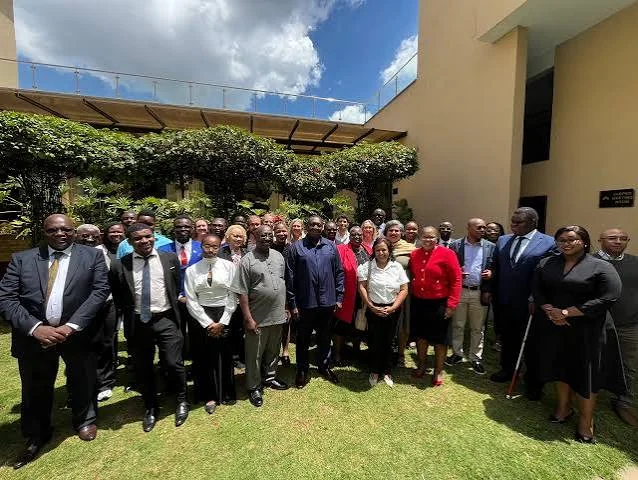
In a joint statement issued on Thursday in Arusha, Tanzania, the organisations called on Ugandan authorities to safeguard constitutional protections, uphold due process, protect press freedom and respect the rule of law.
The statement was signed by the East Africa Law Society (EALS), national bar associations from across East Africa, the Pan African Lawyers Union, the International Commission of Jurists (ICJ Kenya), the Kenya Human Rights Commission and the East Africa Civil Society Organisations Forum (EACSOF).
According to the organisations, recent developments in Uganda raise "prima facie questions of constitutional compliance, statutory fidelity, and adherence to the rule of law."
They said the reported incidents touch on key constitutional principles, including personal liberty, freedom of expression, press freedom and the independence of the legal profession.
The groups warned that the developments pose a serious challenge to democratic governance and respect for the rule of law, adding that urgent action is needed to address the situation.
They further urged Ugandan authorities to uphold constitutional safeguards, protect fundamental freedoms and ensure that all actions taken by state institutions comply with due process requirements.
Part of the concern centres on the reported detention of former Ugandan Minister of Ethics and Integrity Dr Miria Matembe, as well as earlier reported abductions involving Dr Sarah Bireete, Eunice Musiime and other individuals. The statement also referenced the continued prosecution of senior advocate and former Kampala mayor Erias Lukwago.
"We express grave and escalating concern regarding credible and consistent reports of deprivation of liberty affecting multiple individuals in Uganda, including the reported detention and uncertain legal status of Dr. Miria Matembe. Taken together, these reports indicate a widening pattern of concern regarding executive overreach, respect for personal liberty, transparency of detention, judicial independence and compliance with due process guarantees."
The organisations said publicly available information had not established the legal basis for Dr Matembe's detention or disclosed where she was being held.
They argued that "where deprivation of liberty occurs without prompt disclosure of lawful authority, verifiable custody, and due process compliance, serious constitutional concerns arise under Articles 23, 24, 28, 44(a), and 50 of the Constitution of Uganda."
The statement also highlighted concerns over the reported disruption of operations at Nation Media Group Uganda outlets, including NTV Uganda, Spark TV and the Daily Monitor.
According to the organisations, "These developments directly offend the constitutional guarantee of press freedom, which is not a discretionary privilege of the State but a foundational requirement of democratic governance, accountability, and the public's right to receive and impart information without interference."
They questioned the legal basis of the reported suspension of broadcasting operations, noting that no publicly disclosed directive from the Uganda Communications Commission had been presented to justify the actions.
The groups maintained that any action affecting licensed media houses must meet the legal tests of "legality, necessity in a democratic society, proportionality, procedural fairness and independent oversight."
The organisations also expressed concern over what they described as increasing military involvement in functions that fall under civilian institutions.
"The military or any individual within the military has no business in civilian rule, neither should they exercise control over any arm of government. It is trite that the military's function is strictly to protect the national interest against external threats, not to regulate the media or order the arrest of lawyers whose sole tool of trade is the pen."
They called on Ugandan authorities to respect civilian authority, protect the independence of the legal profession, media and judicial institutions, and ensure that constitutional safeguards are fully upheld.




Comments
Sign in with Google to comment, reply, and like comments.
Continue with Google