NCIC plans Huduma Centre reporting desks, situation rooms ahead of 2027 polls
As part of efforts to make its services more accessible, the commission is working with the Ministry of Public Service and Human Capital Development to establish reporting desks within Huduma Centres in all counties.
The National Cohesion and Integration Commission (NCIC) has unveiled plans to expand its footprint across the country through reporting desks at Huduma Centres and the establishment of regional situation rooms, while deepening collaboration with the media as part of efforts to strengthen national unity and detect potential conflicts early ahead of the 2027 General Election.
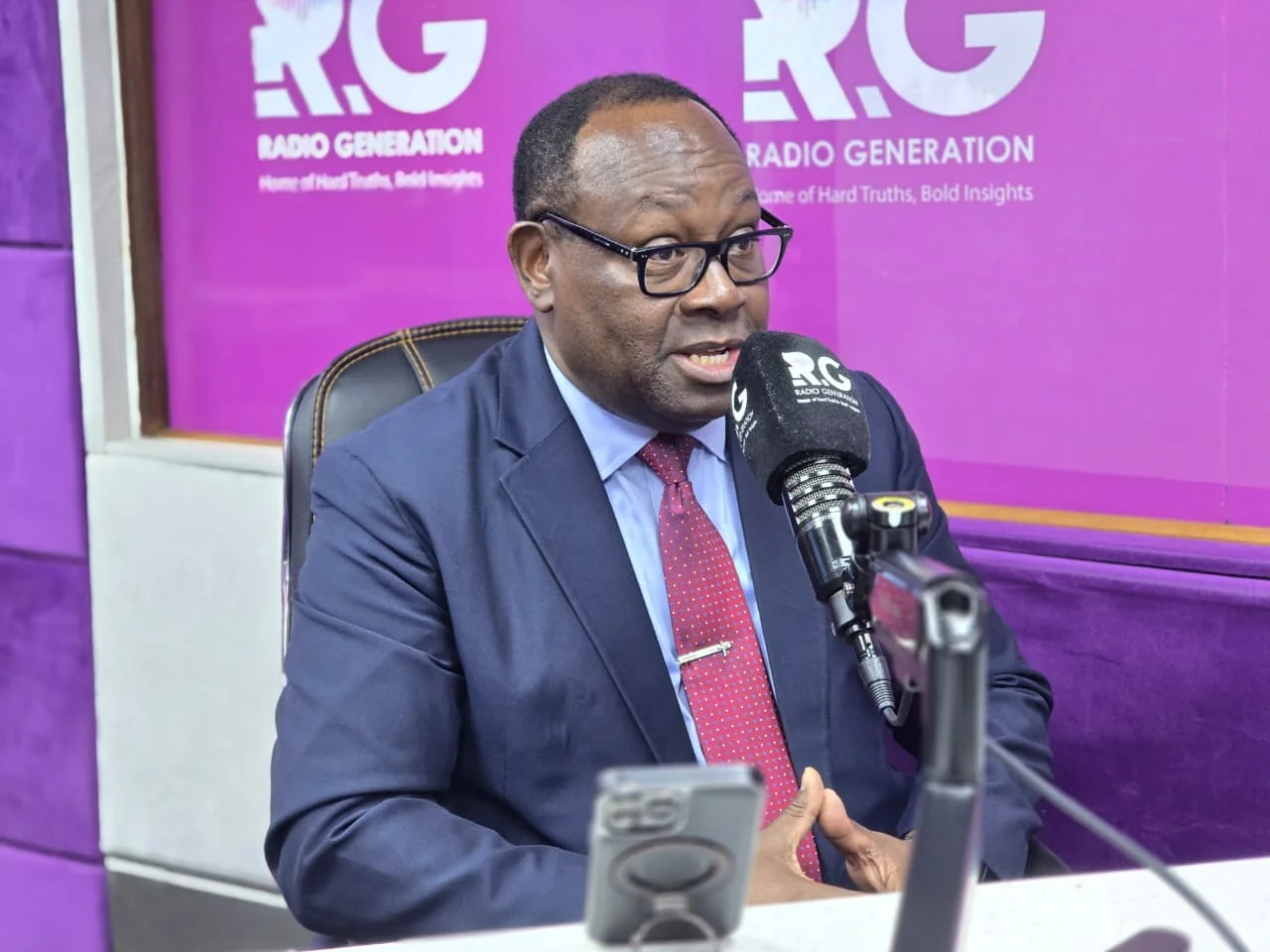
Speaking during a Radio Generation interview on Thursday, NCIC Chairman Bishop Dr. Kepha Nyamweya Omae said the commission is placing greater focus on preventive measures aimed at promoting peaceful coexistence, countering divisive political narratives and ensuring Kenyans are well informed about issues of national cohesion.
Omae described the media as one of the commission's most valuable partners, noting that journalists play a central role in educating the public, promoting awareness and helping citizens understand the importance of living together peacefully.
"What we are doing today demonstrates why the media is so important. Media is helping us disseminate information and educate the public on what NCIC does and what is expected of the citizenry. You cannot disseminate information in the absence of the media, so to us we see the media as one of the major partners in bringing the country together," he stated.
He said the commission is seeking a long-term partnership with media houses to ensure accurate information on national cohesion reaches citizens across the country.
At the same time, the NCIC chair cautioned against political actors who exploit ethnic divisions to gain support, warning that propaganda, misinformation and disinformation continue to pose a threat to national unity, especially during election periods.
As part of efforts to make its services more accessible, the commission is working with the Ministry of Public Service and Human Capital Development to establish reporting desks within Huduma Centres in all counties.
According to Omae, the initiative will allow members of the public to easily report incidents involving hate speech, incitement and inflammatory political statements without the need for the commission to set up new offices.
He explained that the proposed reporting centres would act as the first contact point for citizens seeking to raise concerns over actions or remarks that could threaten peaceful coexistence.
Reports received at the county level, he said, would be recorded by NCIC officers before being forwarded to the commission's investigations department for verification and further action.
The commission is also seeking to strengthen its digital presence by making key research reports, peacebuilding resources and policy documents available online to improve public access to information.
Among the materials expected to be published is the Roadmap to Peaceful Elections 2027, which Omae said will be accessible through the commission's website alongside other publications.
While hard copies will continue to be distributed during conferences and stakeholder engagements, he noted that making the documents available online will allow more Kenyans to access and use the information.
The chairman also moved to clarify the commission's role, saying NCIC should not be viewed solely as an agency that responds after tensions emerge.
"People think NCIC is a reactive commission. We are not a reactive commission. We are a preventive commission. We don't have to wait until temperatures rise. We don't have to wait until there are tribal clashes. We don't have to wait until 2027. We must prepare the ground right now for peaceful elections and peaceful coexistence."
He said the commission's work includes identifying conflict hotspots, promoting inclusion, investigating complaints, supporting alternative dispute resolution mechanisms and fostering cooperation among government agencies, communities, religious organisations and other stakeholders.
Responding to concerns that NCIC is sometimes slow to act against inflammatory political remarks, Omae defended the commission's approach, saying all investigations must be grounded in facts and evidence before any recommendations for prosecution can be made.
He said the commission works closely with agencies including the Directorate of Criminal Investigations (DCI), the Office of the Director of Public Prosecutions (ODPP), the Office of the Registrar of Political Parties (ORPP) and the Communications Authority of Kenya (CAK) to determine whether reported statements are protected under freedom of expression or amount to offences under the law.
"Our investigations must provide facts and evidence because any recommendation for prosecution must be watertight. We do not act emotionally; we act on evidence," he said.
Omae further appealed for increased funding, saying additional resources would enable the commission to fully implement its nationwide cohesion, peacebuilding and conflict-prevention programmes as preparations for the 2027 General Election gather pace.




Comments
Sign in with Google to comment, reply, and like comments.
Continue with Google