Governor Abdulswamad Nassir outlines SEZ and port reforms to boost county revenue
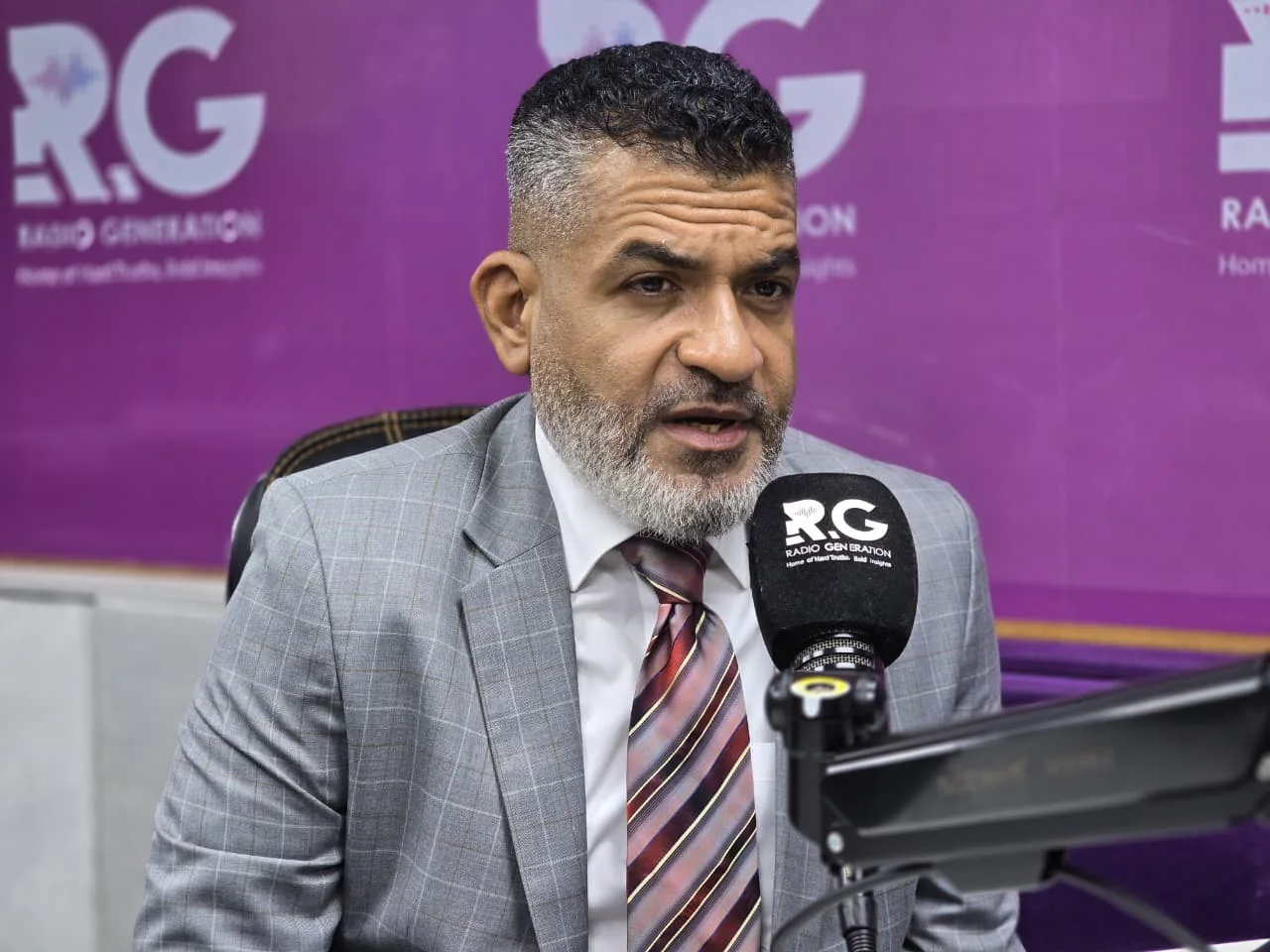
He says Mombasa has secured a county-owned SEZ licence, improved revenue collection through port integration, and is pursuing waste management and logistics projects aimed at boosting efficiency and development
Mombasa Governor Abdulswamad Sharif Nassir has outlined how Special Economic Zones and new port-related reforms could transform the county’s economy.
He says Mombasa has secured a county-owned SEZ licence, improved revenue collection through port integration, and is pursuing waste management and logistics projects aimed at boosting efficiency and development.
Speaking during an interview on Radio Generation on Monday, the governor explained that Mombasa hosts two special economic zones, one owned by the national government at Dongo Kundu and another owned by the county government.
He said the county-owned SEZ was made possible during the current administration after discussions with President William Ruto.
The governor explained that the county identified a parcel of land in Mombasa for development as a Special Economic Zone (SEZ) and secured the licence during the current administration, adding that the process involved conducting feasibility studies, followed by public advertising and market outreach through established procurement procedures to attract investors while safeguarding public interest.
He explained that an investor had already been awarded the project, although implementation had moved more slowly than expected.
On the Port of Mombasa, Nassir acknowledged long-standing debates over how the county should benefit from one of Kenya’s biggest revenue generators.
He expounded that legal and constitutional interpretations had limited efforts to secure direct port revenues for the county government, prompting county officials to seek alternative ways of benefiting from port activities.
One of those measures involved waste management from ships docking at the port.
“I called in the shipping lines and asked them a very valid question. ‘Please tell me where you take your waste?’” he questioned.
The county now collects solid waste from ships, a move he said has helped address environmental concerns.
Nassir also highlighted a new arrangement through which county fees from trucks accessing the port are collected through port charges and remitted monthly to the county government.
“Currently, our fees are collected for all the trucks getting in. Our fees are actually collected through port charges, and the county government gets its revenue on a monthly basis.”
The governor explained that discussions were also underway on handling hazardous waste from ships, including batteries and corrosive materials.
At the same time, Mombasa is pursuing the establishment of a marshalling yard near the port to ease congestion caused by trucks waiting to collect cargo.
“With the marshalling yard, the agreement that we have with the port is that there will be a call centre, so all the trucks have to go in, and once your goods are ready to be picked, that's when you leave the marshalling yard,” he stated.
The county was also working with port authorities to address challenges linked to empty containers, as imports continue to outweigh exports, placing pressure on storage facilities and logistics systems.




Comments
Sign in with Google to comment, reply, and like comments.
Continue with Google