CS Duale launches national taskforce to crack down on fake medicines
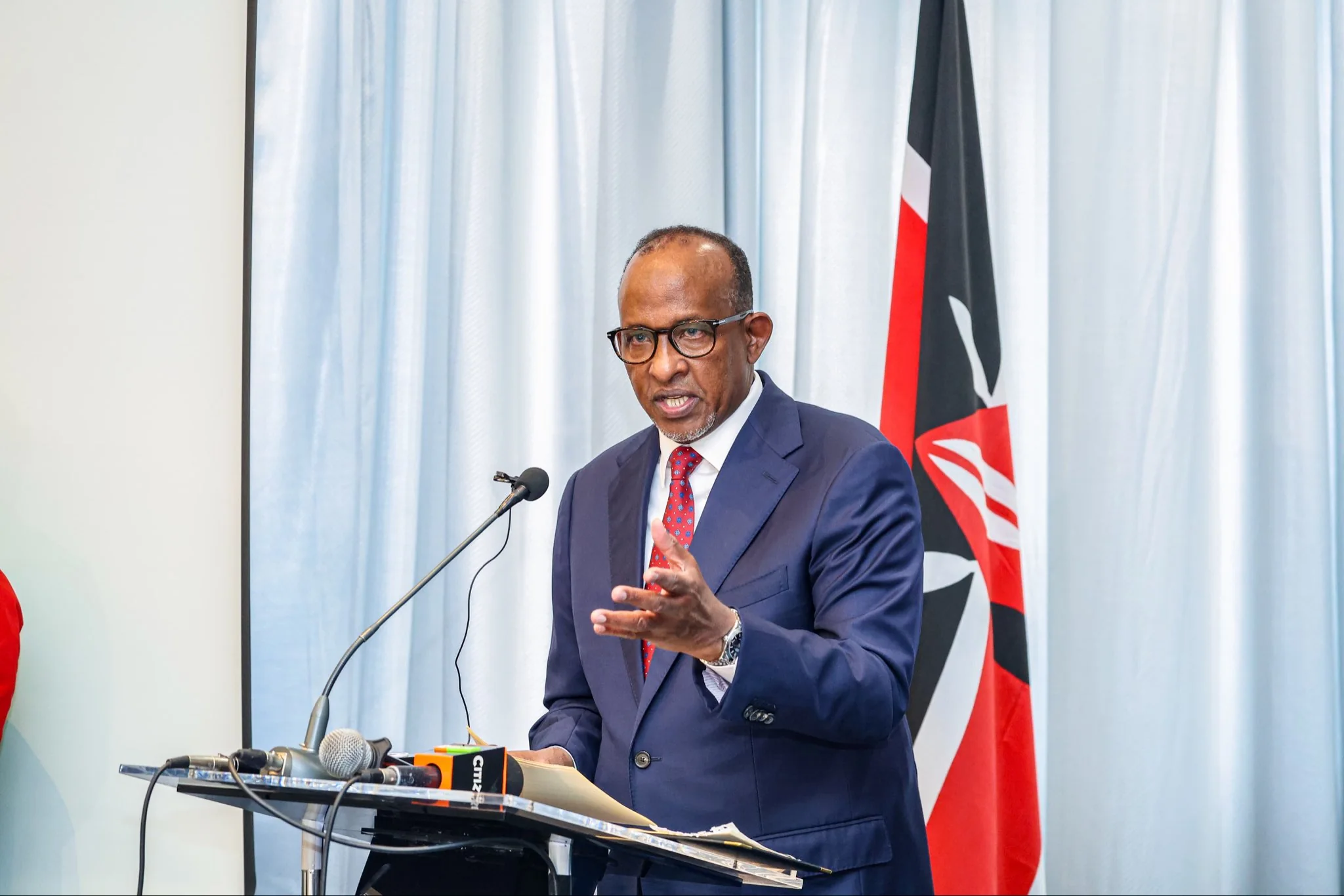
The committee will oversee implementation of the National Action Plan while strengthening regulation, enforcement, and collaboration among government agencies to safeguard the country's pharmaceutical supply chain
he government has unveiled a new high-level committee to spearhead Kenya’s fight against counterfeit and poor-quality medical products, with Health Cabinet Secretary Aden Duale warning that fake medicines continue to endanger lives, weaken confidence in healthcare services and threaten the success of Universal Health Coverage under Taifa Care.
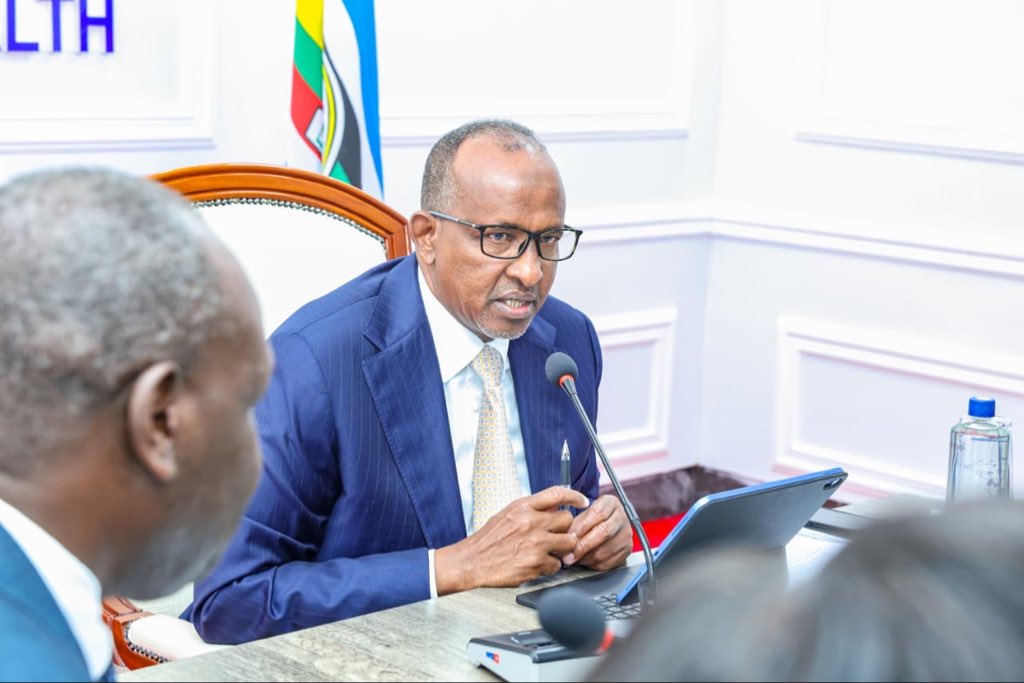
The Interministerial Steering Committee, launched on Wednesday, will oversee the implementation of the National Action Plan on substandard and falsified medical products while strengthening coordination among government agencies responsible for regulation, enforcement and public health protection.
Speaking during the inauguration, Duale said the committee would provide leadership and bring together institutions with different responsibilities to ensure a united response against counterfeit and poor-quality medical products entering the market.
"The Steering Committee will serve as the apex oversight body for implementing the National Action Plan, providing strategic leadership, policy direction, and inter-agency coordination. Bringing together institutions with complementary mandates, it will strengthen collaboration in preventing, detecting, investigating, and responding to substandard and falsified medical products while addressing policy, legal, operational, regulatory, and resource challenges."
He noted that the circulation of fake medicines remains a major public health concern, affecting treatment outcomes and exposing patients to unnecessary risks.
"Substandard and falsified medical products remain a major threat to patient safety, health security, and economic development. The products contribute to treatment failure, antimicrobial resistance and preventable deaths, while undermining public confidence in the healthcare system and the successful implementation of Taifa Care and Universal Health Coverage," the CS stated.
Duale said tackling the challenge requires a broad national effort involving regulators, security agencies, county governments, healthcare workers, manufacturers, distributors, development partners and the public.
The Ministry of Health said Kenya has strengthened its pharmaceutical oversight systems in recent years through increased surveillance and enforcement activities aimed at keeping unsafe products out of the market.
Data from the Pharmacy and Poisons Board shows that between 2021 and 2025, the regulator received 1,413 complaints related to product quality, coordinated 99 product recalls, documented 32,833 adverse drug reaction reports and issued 18 public alerts concerning suspected falsified medicines.
The ministry said oversight efforts have intensified further in 2025. Since January, the board has coordinated 58 product recalls and released 14 rapid alerts on falsified medical products, a trend officials said reflects a more open and responsive regulatory framework.
Authorities have also increased inspections across the pharmaceutical sector, leading to the closure of more than 200 premises found to be operating outside regulatory requirements. The operations have also resulted in arrests and prosecutions targeting individuals involved in the illegal medicines trade.
Duale reiterated the government’s commitment to working with international partners to strengthen the country’s pharmaceutical regulatory systems and improve the safety of medicines available to the public.
"The Government remains committed to working with the World Health Organization and other partners to strengthen regulatory capacity, surveillance, intelligence sharing, digital traceability and enforcement in line with global best practices, ensuring every Kenyan has access to safe, quality, effective and affordable medicines."
The launch of the committee brought together representatives from the Council of Governors, the Pharmacy and Poisons Board, the World Health Organization, IGAD, senior government officials and development partners involved in safeguarding the integrity of Kenya’s pharmaceutical supply chain.



Comments
Sign in with Google to comment, reply, and like comments.
Continue with Google