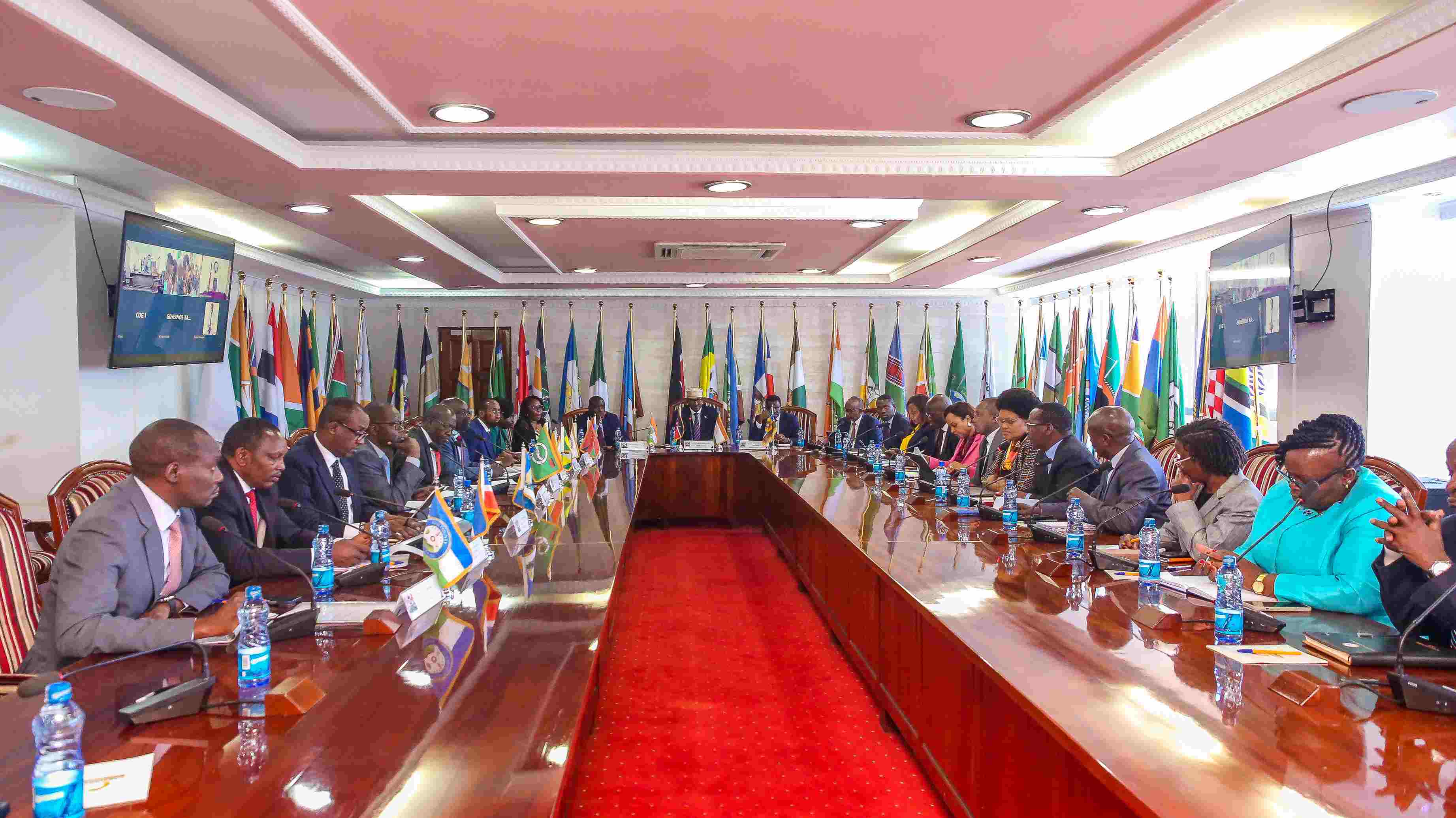
The Council of Governors (COG) has intensified efforts to secure a bigger portion of the Roads Maintenance Levy Fund (RMLF), calling on the Senate to amend the Kenya Roads (Amendment) (No. 3) Bill, 2025, so that counties receive 42 percent of the levy.
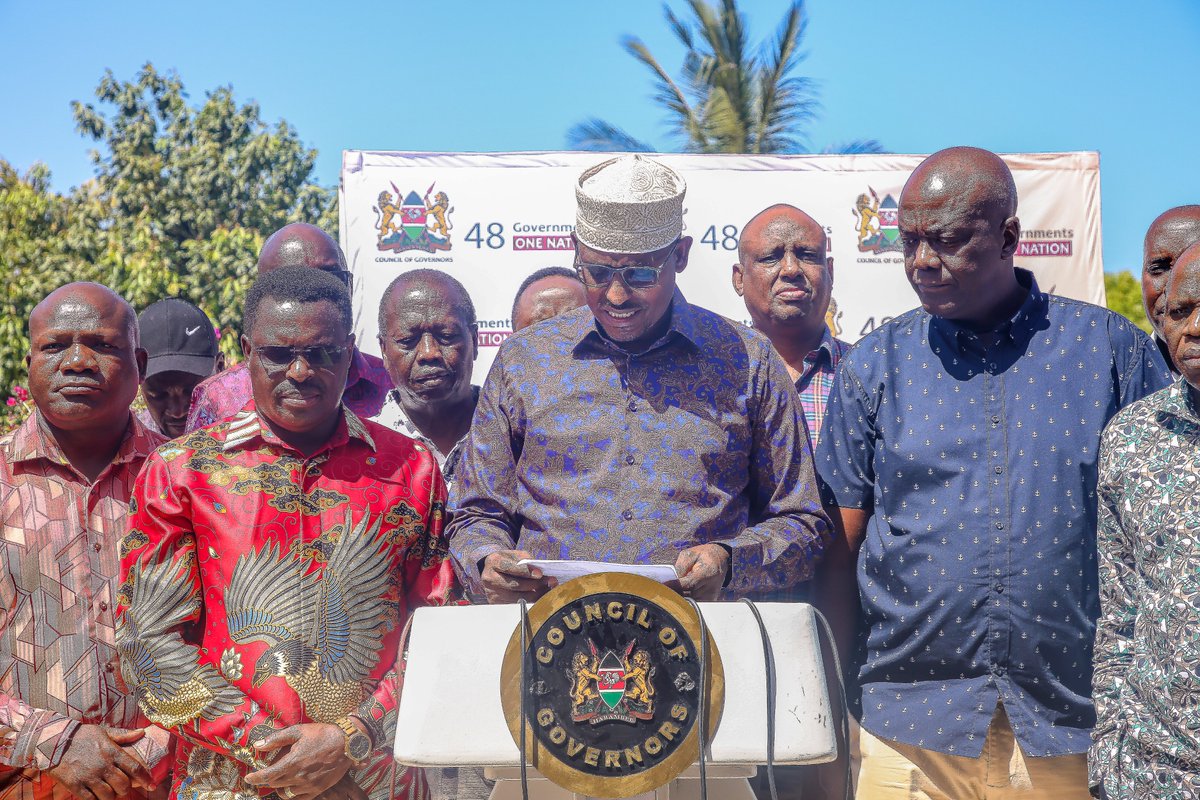
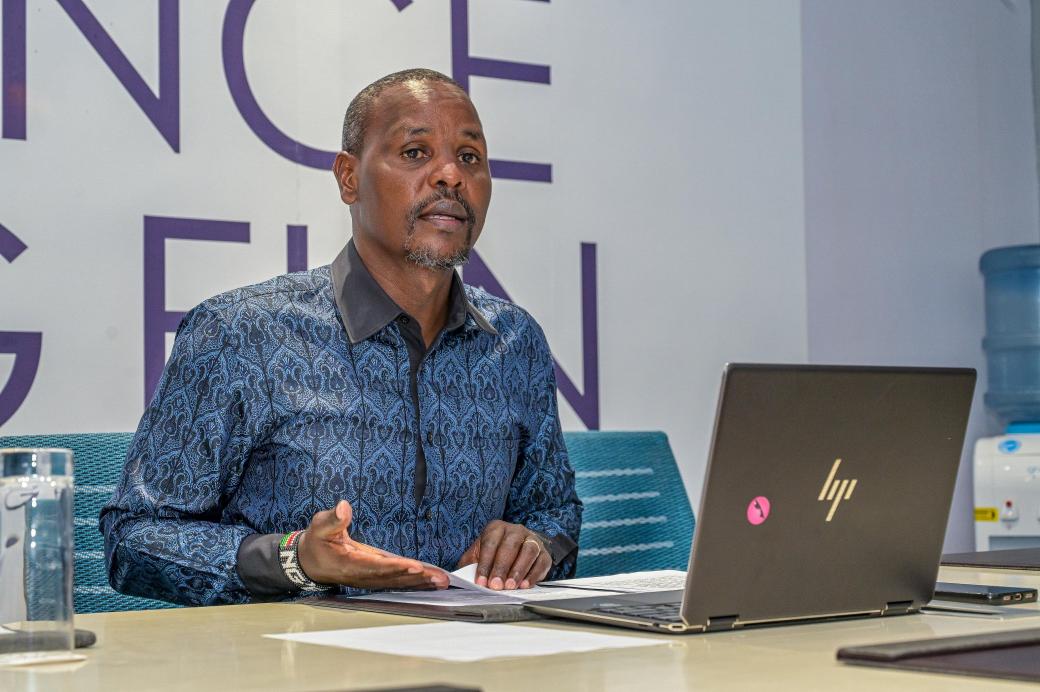
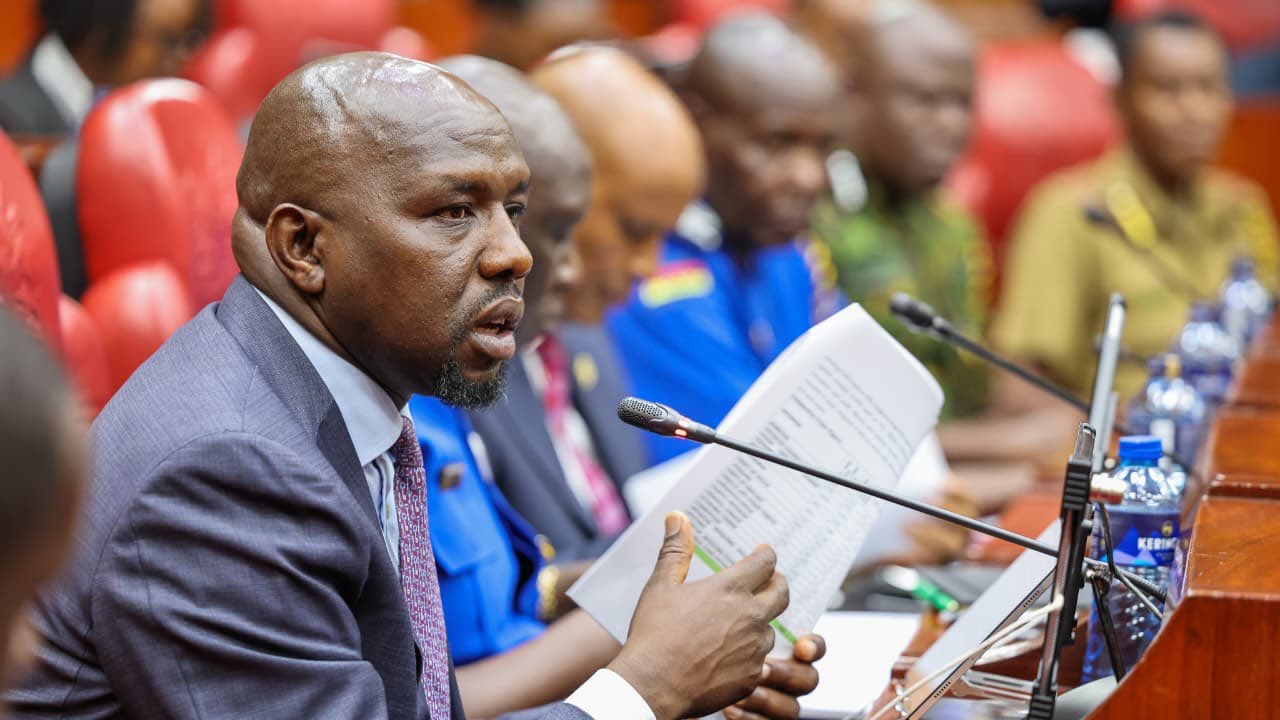
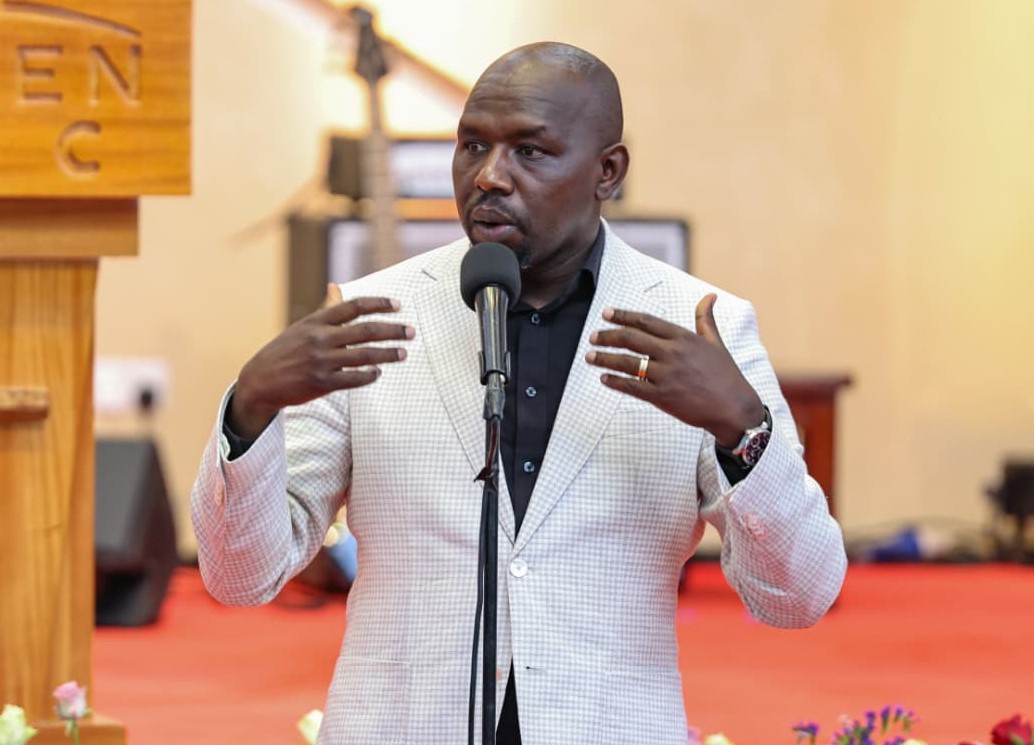
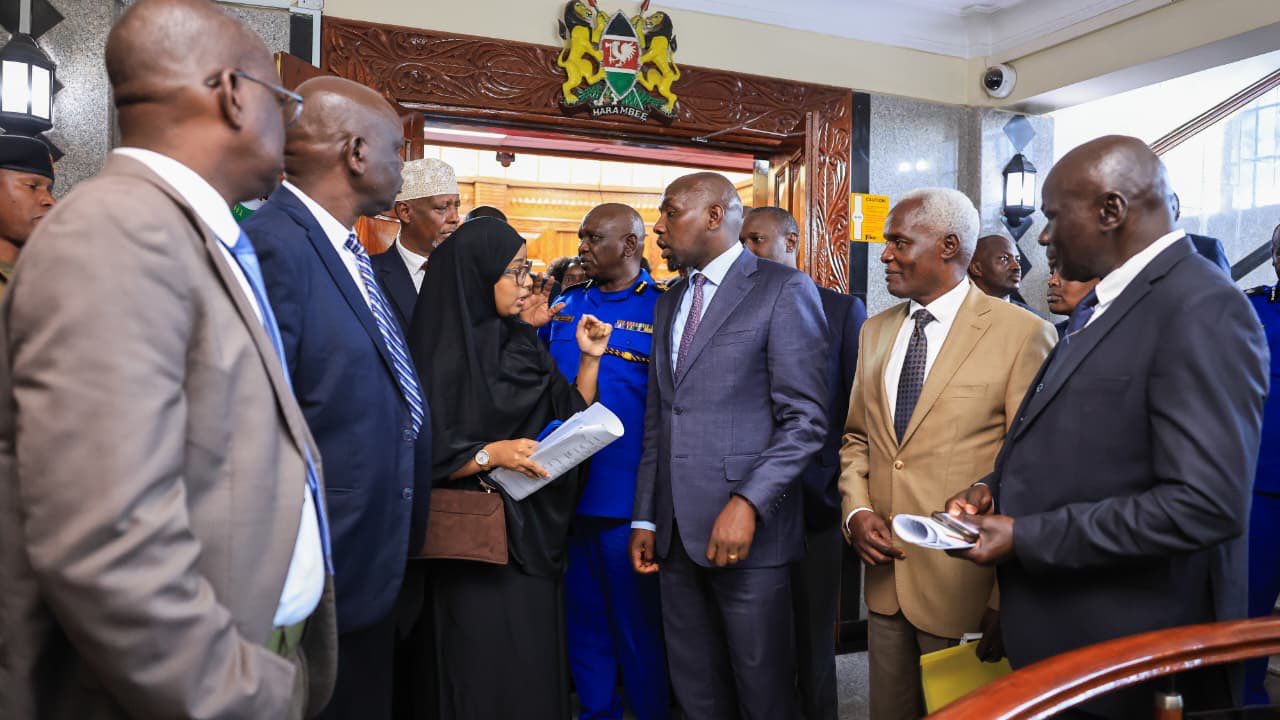
COG’s Transport, Infrastructure and Energy Committee Chair Kimani Wamatangi told the Senate Roads, Transport and Housing Committee on Tuesday that the proposed 5 percent allocation is both unfair and incompatible with the Constitution.
Data from the Kenya Roads Register 2024 shows counties manage 182,092 kilometres, more than three-quarters of Kenya’s total 239,122-kilometre road network.
“When counties are responsible for over three-quarters of the road network, allocating only five percent of the levy cannot be justified,” Wamatangi said during the committee session chaired by Migori Senator Eddy Oketch.
The move follows a landmark June 2025 High Court ruling that deemed it unconstitutional to exclude counties from direct access to RMLF funds. The Court of Appeal subsequently gave Parliament until July 2026 to adjust the law to prevent interruptions in road maintenance funding.
Wamatangi explained that the current legal framework, rooted in the Kenya Roads Act of 2007, predates the 2010 Constitution.
The Act created three national agencies, Kenya National Highways Authority (KeNHA), Kenya Urban Roads Authority (KURA), and Kenya Rural Roads Authority (KeRRA) but under the Constitution, national trunk roads belong to the national government, while county roads are exclusively managed by county administrations.
“The law must now reflect the Constitution,” he said.
The bill, sponsored by Senate Majority Leader Aaron Cheruiyot, seeks to categorize roads into National Trunk Roads and County Roads while allocating only 5 percent of the fund to counties. During the 2024/25 financial year, total collections reached Sh119.7 billion, meaning counties would get roughly Sh6 billion under the current plan.
COG proposes reallocating the levy to give counties 42 percent, suggesting:
-
22 percent from the Constituency Roads Fund redirected to counties
-
10 percent from connecting roads between constituencies shifted to counties
-
40 percent for national trunk roads retained by the national government
-
15 percent for urban roads split into 5 percent for national urban trunk roads and 10 percent for county urban roads
-
1 percent for roads in national parks co-managed with counties
-
2 percent for administration kept unchanged
Wamatangi stressed that the RMLF is a dedicated user-pay fund and cannot be replaced with general equitable share allocations. “Equitable share is general-purpose money meant for health, water, agriculture and other services. The Roads Maintenance Levy Fund is specifically for road maintenance,” he said.
COG welcomed recognition of county roads in the bill but proposed further adjustments: minor urban arterials, secondary rural roads linking towns, and urban collector streets should be classified under counties.
Security roads would stay with the national government but with clearer definitions to avoid overlaps. The governors also want a joint national-county mechanism to oversee road classification and reclassification.
Structural reforms are also on COG’s agenda. Wamatangi suggested amending Section 7 of the Kenya Roads Board Act to replace two outdated Principal Secretary positions with county representatives nominated by COG.
He also called for the eventual removal of sections establishing KURA and KeRRA, and the dissolution of Constituency Roads Committees after reclassification. These proposals align with the 2013 Presidential Taskforce on Parastatal Reforms (Abdikadir Report) and the January 2025 Cabinet decision to merge KURA and KeRRA.
Addressing capacity concerns, Wamatangi said counties have maintained the bulk of Kenya’s roads despite funding gaps and employ qualified engineers in functional roads departments. He urged Senators to uphold devolution under Article 96. “The people who pay the levy on every litre of fuel expect their roads to be fixed by the government closest to them,” he added.
The Senate committee continues to review the bill before it moves for full debate in the House.






Comments
Sign in with Google to comment, reply, and like comments.
Continue with Google