Muluka questions NTSA vehicle inspection fees, warns of ‘hidden taxation’
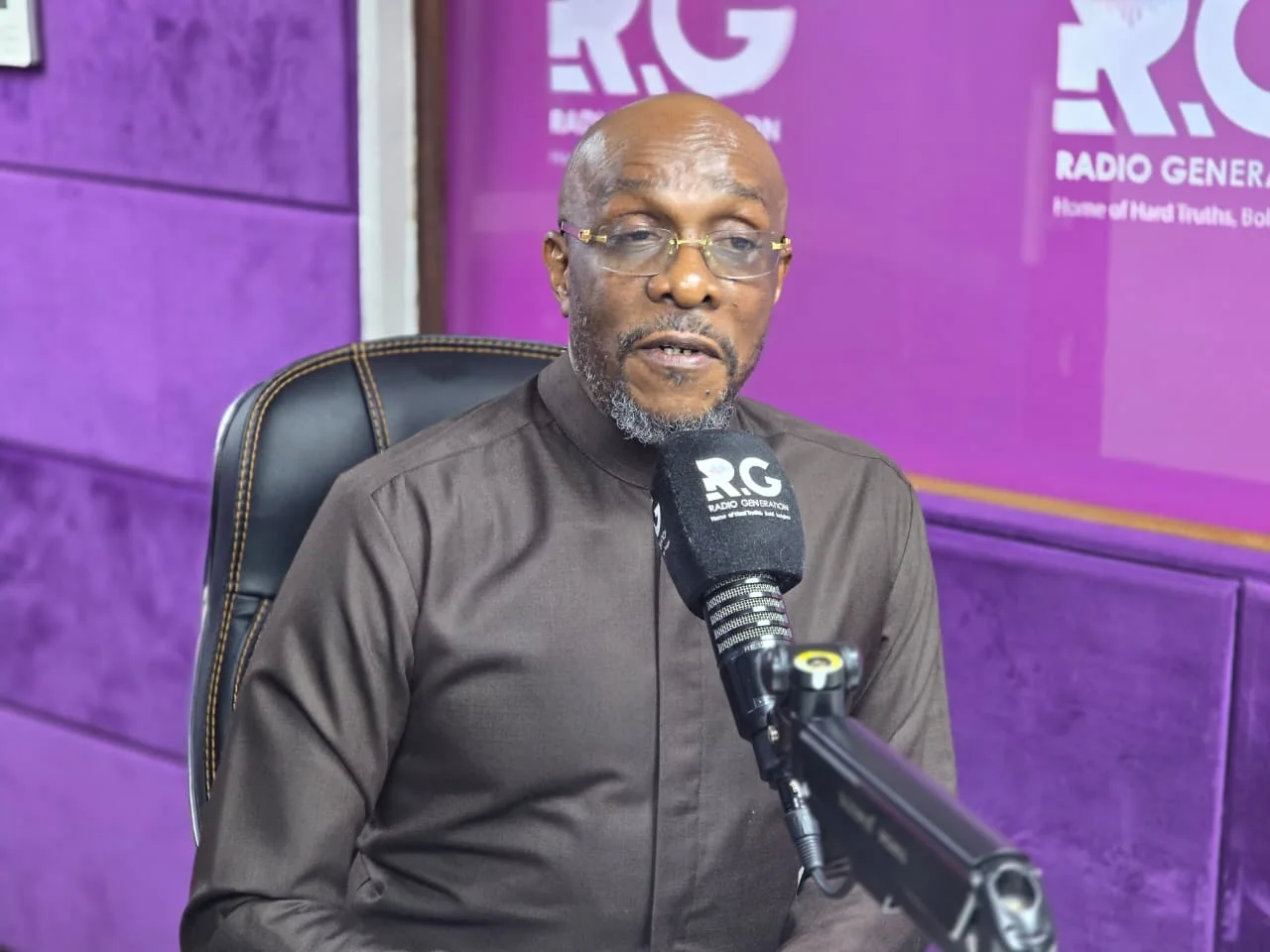
Muluka cautioned that the proposed vehicle inspection regime could open the door to abuse and corruption, arguing that motorists would have little control over the outcome of the process.
Democratic National Alliance (DNA) Secretary General Dr. Barrack Muluka has criticised the proposed mandatory inspection of private vehicles, arguing that the fees amount to a hidden tax despite government assurances that no new taxes have been introduced.
He questioned the rationale, accountability, and implementation of the proposed NTSA inspection programme.
Speaking during a Radio Generation interview on Monday, Muluka noted that the debate should not be confined to whether the Finance Act introduces new taxes but should instead consider the growing number of levies collected by state agencies.
"I understand matters of finance and economics from their impact. Within the context of political economy, the important thing is the impact of taxation on citizens. You can tell us that you have not increased any particular line of taxation or introduced new taxes, but you hide that which would have been a tax into some other space," Muluka said.
He argued that agencies were increasingly relying on levies collected outside conventional taxation.
"There will be levies loaded upon the public and collected by government agencies. It is an incursion into your pocket without it being called a tax. When someone tells you they have come up with a citizenly budget, you have to be very careful," he added.
Muluka singled out the proposed inspection of private vehicles aged four years and above, questioning both the purpose of the exercise and the charges attached to it.
"They want to inspect all private vehicles that are four years and above, and they are not going to inspect them for free. Ask yourself how many privately owned vehicles there are in the country today and think about the Sh2,000," he added.
He further questioned the planned Sh1,000 booking fee payable before the inspection.
"You must remember that by the time that booking fee is paid, there is no service that you have received. You must also wonder why you must pay Sh1,000 simply to book an appointment to have my car checked. What justifies that kind of fee?" he posed.
The DNA SG also expressed concern over the inspection process, arguing that motorists could face repeated costs if their vehicles failed the assessment.
"If defects are found, you are told to repair the vehicle and bring it back again. You will be expected to pay another Sh2,000. You can pay that again and again," Muluka added.
Muluka's argument come barely few weeks after NTSA announcing that it will begin mandatory annual inspections for all privately owned and government vehicles older than four years from July 1, 2026, under the Traffic (Motor Vehicle Inspection) Rules, 2026.
The inspections are intended to improve road safety by ensuring vehicles meet minimum mechanical and safety standards before using public roads.
NTSA Director General Nashon Kondiwa said motorists must book inspections through the eCitizen platform, with vehicles that pass receiving an inspection sticker and report, while failed vehicles will receive defect reports for repairs before re-inspection.
Owners of vehicles below 3,000cc will pay Sh1,000 as a booking fee and up to Sh1,000 for inspection, excluding the eCitizen processing charge.
Motorists who fail to obtain a valid inspection sticker risk fines of up to Sh20,000, imprisonment for up to six months, or both, and will not be permitted to legally operate their vehicles on public roads.
The DNA Secretary General also cautioned that the proposed inspection regime could open the door to abuse and corruption, arguing that motorists would have little control over the outcome of the process.
"It is not you inspecting your car. Somebody else decides whether it is roadworthy. You could be told your car has failed or that it can be sorted out there and then. It is a Pandora's box they have opened," Muluka said.
He warned that without adequate safeguards, transparency and accountability, the inspection exercise could leave motorists vulnerable to arbitrary decisions, repeated inspection fees and corrupt practices.



Comments
Sign in with Google to comment, reply, and like comments.
Continue with Google