Ruto announces major EAC reforms after Arusha summit, leaders adopt
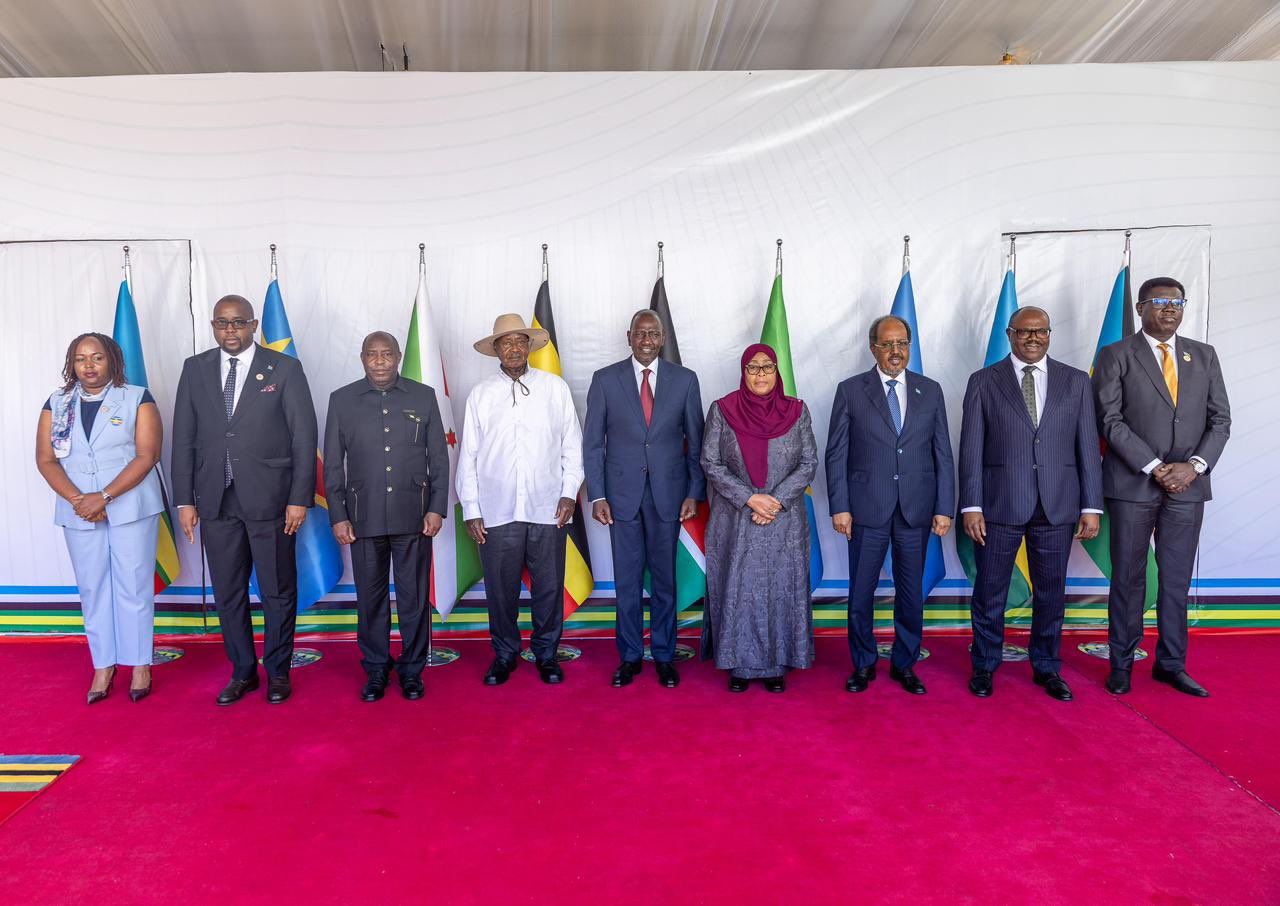
A key outcome of the meeting was the adoption of a new method for calculating how member states contribute to the community’s annual budget. The previous system required all partner states to contribute the same amount regardless of their economic capacity.
Regional leaders meeting under the East African Community have approved a raft of reforms aimed at strengthening the bloc’s financial stability and improving how it conducts its affairs.
Speaking after an Extraordinary Summit in Arusha, President William Ruto said the heads of state had agreed on a number of far-reaching changes touching on the funding of the community, decision-making processes, and management of its institutions.
“Let me report that this morning we made in this summit some very consequential decisions,” Ruto said.
A key outcome of the meeting was the adoption of a new method for calculating how member states contribute to the community’s annual budget. The previous system required all partner states to contribute the same amount regardless of their economic capacity.
Ruto said the leaders had agreed that future contributions should reflect fairness while taking into account the differences in the size of member economies.
“We have taken the decision that going forward, contributions to this community will be fair and equitable,” Ruto said.
“The countries that have bigger economies and benefit more from the community should pay more, and those with smaller economies will pay equitably.”
Under the new arrangement, 50 per cent of the EAC budget will be contributed equally by all partner states, while the remaining 50 per cent will be calculated based on the size of each country’s economy. The formula replaces an earlier proposal by the Council of Ministers that had suggested a 65 per cent equal contribution and 35 per cent assessed share.
The summit also addressed the issue of outstanding contributions owed by some partner states. Leaders agreed on a measure aimed at easing the financial pressure on those countries while ensuring the community recovers part of the funds.
“We have also taken the decision this morning that to alleviate the burden on countries that have arrears, the community will waive 50 per cent of the arrears, and the remaining 50 per cent should be paid within two years,” Ruto said.
Another reform approved by the leaders relates to how decisions will be made within the regional bloc, which has grown from three founding countries to eight partner states.
Ruto said the leaders resolved that decisions could now be adopted either through consensus or by a two-thirds majority vote, a move expected to reduce delays when unanimous agreement is difficult to achieve.
“The statute that established the community was formulated when we had only three countries,” Ruto said. “Now that we are eight and counting, it is increasingly difficult to get a consensus of all countries.”
He added that allowing decisions to be made by at least 65 per cent of member states will make the regional bloc “much more effective and efficient.”
The summit also adopted a cost-cutting measure affecting members of the East African Legislative Assembly. Leaders agreed that their salaries will no longer be paid directly by the regional body.
“From the next parliament, salaries of members of parliament will be paid by their respective national parliaments,” Ruto said.
"Only allowances when they conduct EAC business will be paid by the community.”
Ruto said the change will help ease pressure on the EAC budget and allow more funds to be directed to programmes that promote regional integration and development.
The leaders further resolved that countries seeking to nominate candidates for senior positions within the community must first meet their treaty obligations. This requirement applies to positions such as Secretary General, Speaker of the assembly, and President of the regional court.
In addition, the summit agreed that the salaries of EAC staff will be reviewed starting January 2027, noting that the pay structure has remained unchanged since 2006.
As Kenya concluded its term at the helm of the regional bloc, Ruto thanked fellow leaders for the cooperation they extended during the country’s tenure.
“I take this opportunity to register my sincere appreciation to all members of the summit for the cooperation extended to the Republic of Kenya and to me,” he said.
Uganda’s President Yoweri Museveni now takes over as the new chairperson of the bloc.
Ruto also commended EAC Secretary General Veronica Nduva for guiding the organisation over the past 20 months.



Comments
Sign in with Google to comment, reply, and like comments.
Continue with Google